Geopolitics
Coverage of geopolitical events that move markets and business outcomes — including conflict risk, sanctions, trade policy, energy security, shipping routes, and cross-border investment impacts across Lebanon, MENA, and global markets.

Is Lebanon Included in the Ceasefire? Netanyahu Says No, and the Fighting Has Not Stopped
Lebanese officials, Hezbollah, and Israel present conflicting signals as strikes continue and warnings against returning to the south intensify.
As of April 8, 2026, Lebanon is not clearly included in the ceasefire linked to the U.S.-Iran escalation. Israel says Lebanon is excluded, while Lebanese leaders and Hezbollah warn that conditions on the ground remain unsafe. Official statements from Beirut and Hezbollah confirm that no stable ceasefire has taken hold.
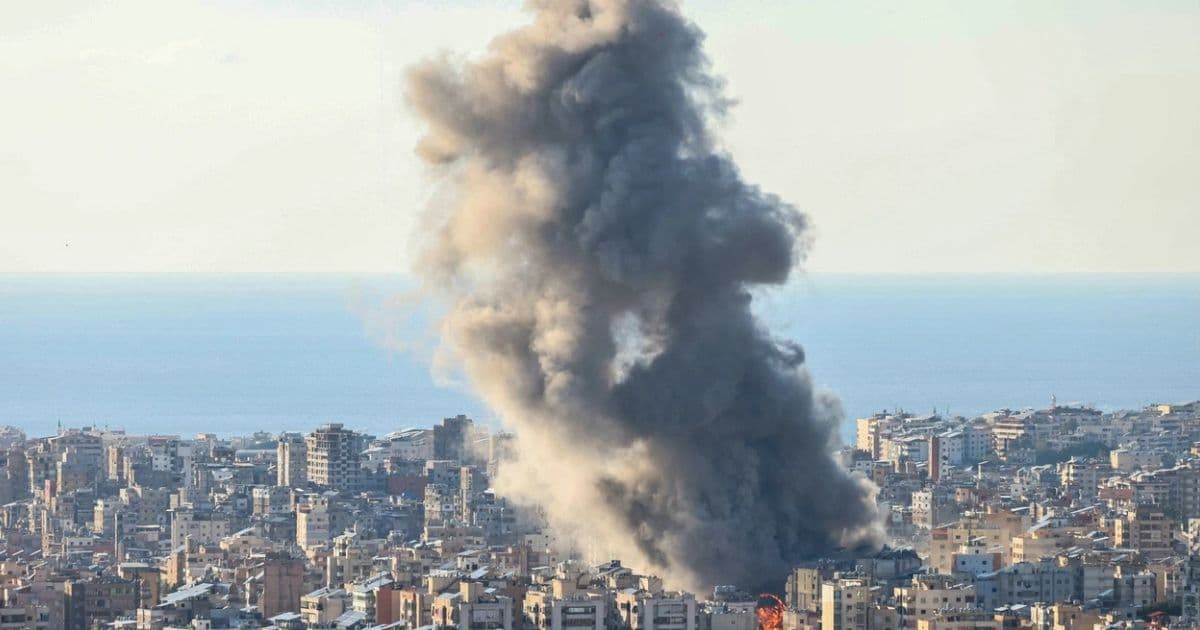
Israeli Ground Operations in Southern Lebanon Put the Litani River Back at the Center
Israel describes a limited push near Khiyam as “forward defence,” while officials tie civilian return south of the Litani to security conditions and Hezbollah’s disarmament.
The Israel Defense Forces says it has launched “limited and targeted ground operations” in southern Lebanon, intensifying fighting around Khiyam as Israeli forces push west toward the Litani River. Israeli officials have framed the operation as a security campaign to expand a defensive zone and pressure Hezbollah, while UN documents and the mandate of United Nations Interim Force in Lebanon define the area south of the Litani as a zone that should be free of unauthorized armed personnel and weapons.
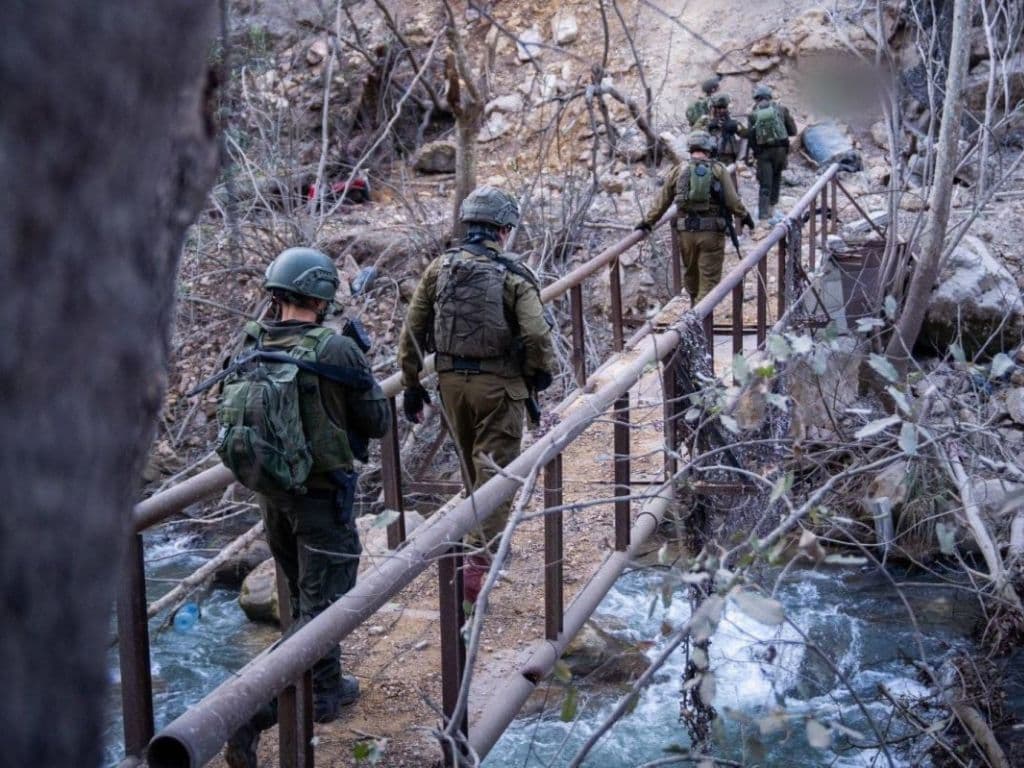
War hits the internet: Middle East escalation puts global subsea cables and Gulf cloud services under strain
With the Red Sea and the Strait of Hormuz both under pressure, network operators are rerouting traffic and bracing for slower, more expensive connectivity — while AWS says drone strikes physically damaged facilities in the UAE and Bahrain.
The latest escalation in the Middle East is spilling into digital infrastructure. Reporting shows threats to two of the world’s most important data corridors — the Red Sea and the Strait of Hormuz — alongside confirmed physical damage to AWS facilities in the UAE and Bahrain, causing service disruption. The internet likely won’t “go dark,” but multi-route strain can mean latency spikes, higher costs, and degraded cloud performance for businesses that rely on cross-border connectivity. 

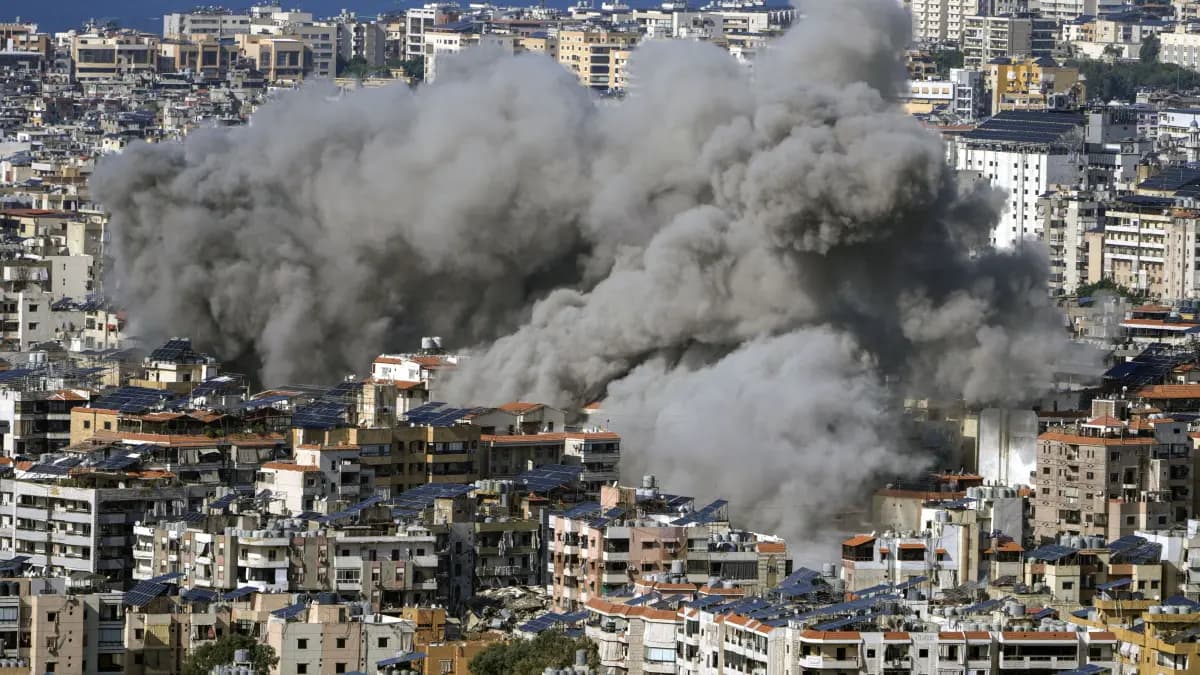
Lebanon pulled deeper into regional war as Israeli strikes expand and displacement rises
Reports say Israel struck targets across Lebanon after Hezbollah joined the expanding regional conflict, triggering fresh displacement and raising the risk of prolonged disruption to commerce, services, and travel.
Lebanon is being pulled deeper into a widening regional conflict, with reports of Israeli strikes across the country after Hezbollah’s involvement. The escalation is driving displacement and increasing the risk of a broader economic slowdown, including disruptions to travel, trade, retail activity, and critical services. (ft.com)
IRGC adviser warns oil could hit $200 ‘in days’
An IRGC commander’s adviser said oil could hit $200 “in days,” Iranian state media report. Brent’s record is about $147.
An adviser to Iran’s IRGC commander said oil could reach $200 “in days,” Iranian state media reported.
Lebanon’s Foreign Ministry urges citizens in Arab countries to stay alert, contact embassies amid escalating regional developments
In a statement circulated Saturday, the Ministry called on Lebanese nationals in affected areas to follow host-country instructions and reach Lebanese missions immediately in emergencies, publishing hotline numbers across multiple states.
Lebanon’s Ministry of Foreign Affairs and Emigrants issued an advisory urging Lebanese citizens in affected areas across the region to exercise maximum caution, comply with host-country guidance, and contact Lebanese diplomatic missions in case of emergencies. The Ministry said it activated a 24/7 emergency coordination cell between Beirut and overseas missions and released hotline numbers for several countries.

Flights cancelled and diverted across the Middle East as airspace closures spread after Iran strikes
Airlines rerouted flights away from Iran, Iraq and parts of the Gulf as multiple countries temporarily closed or restricted airspace, triggering mass cancellations, diversions and delays at major hubs.
Air travel across the Middle East was disrupted after the latest Iran-related escalation prompted a wave of airspace closures and restrictions. Reuters reported multiple states shut or limited airspace and Russian carriers suspended flights to Iran and Israel, while AP said hundreds of thousands of travelers were stranded as major hubs in the Gulf faced cancellations and diversions. 

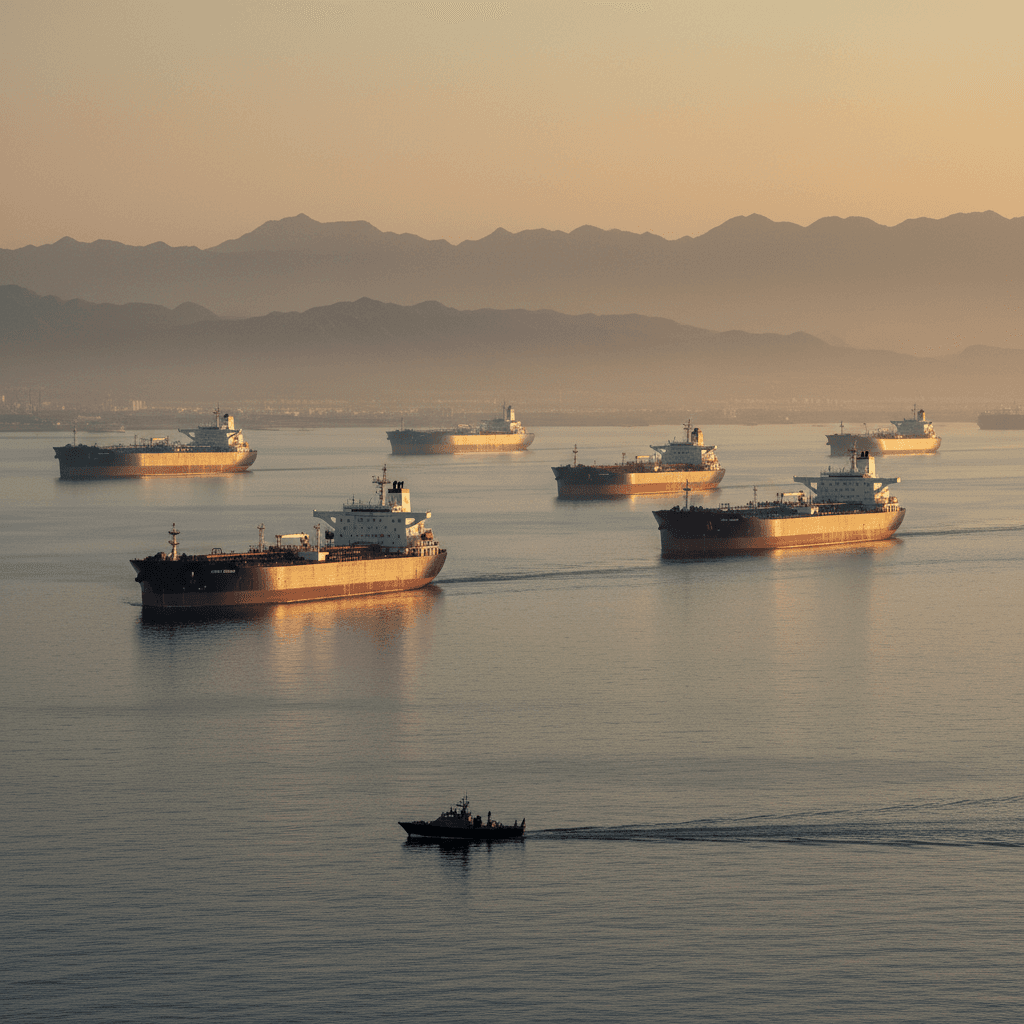
Iran moves to close Strait of Hormuz after strikes; “no ship allowed” warnings trigger energy shipment pauses
Vessels received VHF transmissions attributed to Iran’s Revolutionary Guards saying “no ship is allowed to pass,” while oil, gas and shipping firms suspended movements through the chokepoint, Reuters reported.
Iran has moved to close the Strait of Hormuz after strikes, with ships receiving VHF warnings attributed to the IRGC stating “no ship is allowed to pass,” according to an EU naval mission official cited by Reuters. In response, oil and gas majors and trading houses paused shipments and tanker operators adjusted routes, raising immediate risks for oil and LNG flows, war-risk insurance and regional supply chains.