Lebanon remains outside any clearly enforced ceasefire. Israel has publicly excluded Lebanon. Lebanese officials have not declared a stable truce. Hezbollah has warned civilians not to return yet, and a Hezbollah MP said any Israeli violation would trigger a response.
The core question: Is Lebanon included in the ceasefire?
The short answer remains unchanged on April 8: there is no confirmed, enforceable ceasefire covering Lebanon.
Israel has stated publicly that Lebanon is not included. At the same time, Lebanese political leadership and Hezbollah have avoided declaring that a ceasefire is in effect on the Lebanese front. Instead, they are signaling caution.
This gap between diplomatic language and reality on the ground defines the current situation.
Lebanese leadership: No confirmation of a stable ceasefire
Statements from senior Lebanese officials reflect a cautious and unresolved position.
The Lebanese government has not announced that a full ceasefire is in effect. Officials have focused instead on civilian safety, displacement risks, and ongoing threats in southern Lebanon.
Both the Lebanese presidency and premiership have emphasized the need to wait for clear guarantees and verified implementation before treating any announcement as a real ceasefire.
That position aligns with continued warnings from state institutions against premature returns to affected areas.
Hezbollah’s position: Wait, do not return yet
Hezbollah issued an official statement calling on civilians to remain patient and avoid returning to conflict areas.
The group said:
“We call on you… to remain patient and not head toward the villages and areas targeted… before the final official announcement of a ceasefire in Lebanon.”
The statement explicitly warned that the situation remains unstable and that conditions on the ground do not yet reflect a finalized ceasefire.
This messaging is critical. It signals that even actors directly involved in the conflict do not consider the situation settled.
Parliamentary stance: Warning of escalation if violations continue
Hezbollah MP Ibrahim al-Mousawi reinforced this position in a televised interview with Al Jadeed TV.
He stated:
“If the Israeli enemy does not commit to the ceasefire, then no one will commit, and there will be a response.”
This statement introduces a clear conditional framework. Any ceasefire depends on mutual adherence. Without that, escalation remains possible.
What the situation on the ground indicates
The most reliable indicator of a ceasefire is not political language but whether military activity has stopped.
Current indicators suggest the opposite:
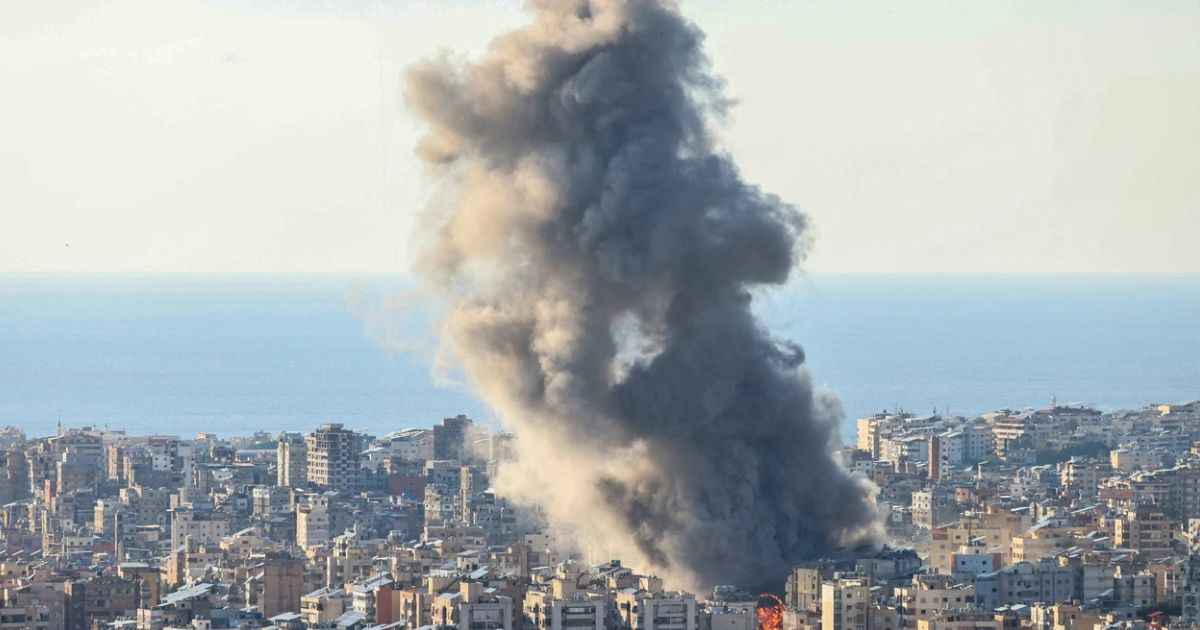
Continued reports of Israeli strikes in southern Lebanon
Ongoing evacuation warnings in affected areas
No formal bilateral ceasefire mechanism announced
Public warnings from both Lebanese authorities and Hezbollah
These elements point to a live conflict environment, not a stabilized truce.
Key facts to understand the current situation
Israel says Lebanon is excluded from the ceasefire framework
Lebanese officials have not declared a ceasefire in effect
Hezbollah warns civilians not to return yet
A Hezbollah MP warned of retaliation if violations continue
Military activity has not clearly stopped on the ground
Why this matters for Lebanon
This situation has direct consequences for civilians.
Displaced families are waiting for clarity on when it is safe to return. Infrastructure risks remain. The absence of a formal, mutually recognized ceasefire means that any assumption of safety could be dangerous.
Lebanese leadership and Hezbollah messaging both point to the same conclusion: the situation is still fluid and potentially volatile.
Bottom line
Lebanon is not practically included in any confirmed ceasefire as of April 8, 2026.
Israel has excluded it. Lebanese officials have not confirmed it. Hezbollah has warned against treating the situation as settled.
Until a formal, mutually enforced ceasefire is clearly announced and implemented, Lebanon should be treated as an active front.