The United Arab Emirates has banned its citizens from traveling to Lebanon, ending a brief reopening that had been one of Beirut's clearest foreign-policy wins in years. The decision was issued by the Emirati Ministry of Foreign Affairs on April 30, citing what the ministry called current regional developments, and it applies to UAE nationals only, not to residents holding other passports.
Emiratis already inside Lebanon were instructed to expedite their return home, and the ministry published a hotline (+971 800 44444) for those seeking consular assistance. Parallel bans were issued on the same day for travel to Iran and Iraq.
Reversing a year-old reopening
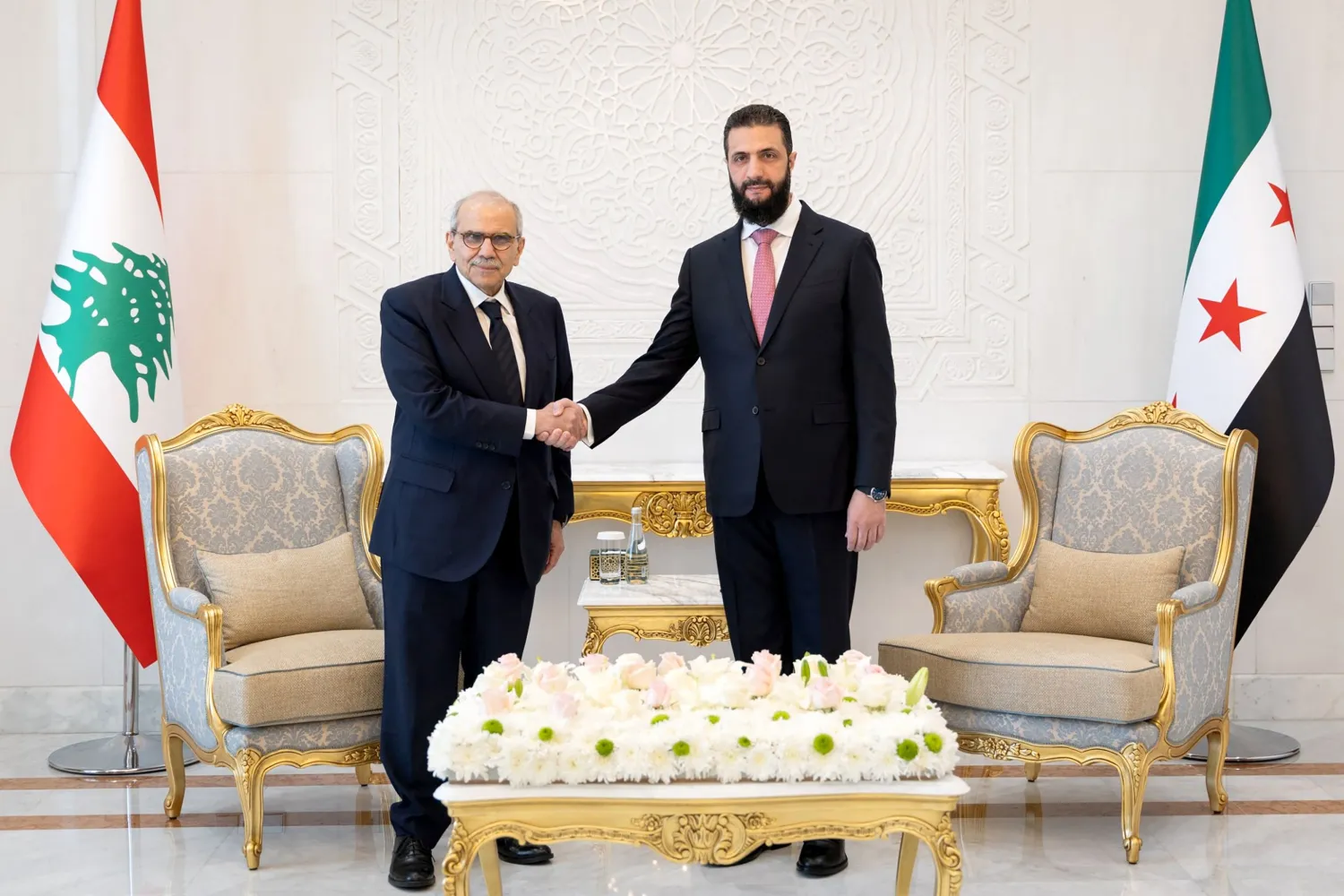
The ban undoes one of the most visible diplomatic gains of President Joseph Aoun's first year in office. The UAE had restricted its citizens from traveling to Lebanon since 2021, citing security concerns linked to regional spillover. That restriction was lifted in May 2025 after Aoun's state visit to Abu Dhabi and a meeting with UAE President Mohamed bin Zayed Al Nahyan, a step Beirut described at the time as a vote of confidence in the new government.
Lebanese tourism responded in real time. In summer 2025, Beirut hotels reported occupancy rates of 80 to 90 percent in peak months, and regional destinations crossed 60 percent. Emiratis, who own significant real estate in towns such as Aley, Bhamdoun, and across the Matn, began returning. Pierre Achkar, head of the Syndicate of Hotel Owners in Lebanon, said at the time that the lifting of the ban could pull broader Emirati investment back with it.
Summer is the season that carries Lebanese hospitality through the rest of the year, and Gulf visitors anchor occupancy in Beirut hotels and coastal resorts, as well as restaurant and nightlife revenue across Mount Lebanon. Tour operators had already been pricing 2026 summer packages around a continued open Gulf market.
Reported industry data point to a sharp drop in volumes this year. Hotel occupancy across key Lebanese areas is reported to have fallen to between zero and seven percent following the latest regional escalation, compared with ranges of 25 to 50 percent in normal periods, and inbound travel is reported to have declined by more than 60 percent within days of the crisis.
What Beirut is watching
Lebanese authorities have not yet issued a detailed economic response. In 2025, Tourism Minister Laura Lahoud made restoring Gulf travel one of her ministry's top priorities.
For now, every hotel desk and restaurant in towns that had built bookings around an open Gulf market. The duration of the ban will determine how much of the 2025 rebound survives this year.