A 59-Year Membership Comes to an End
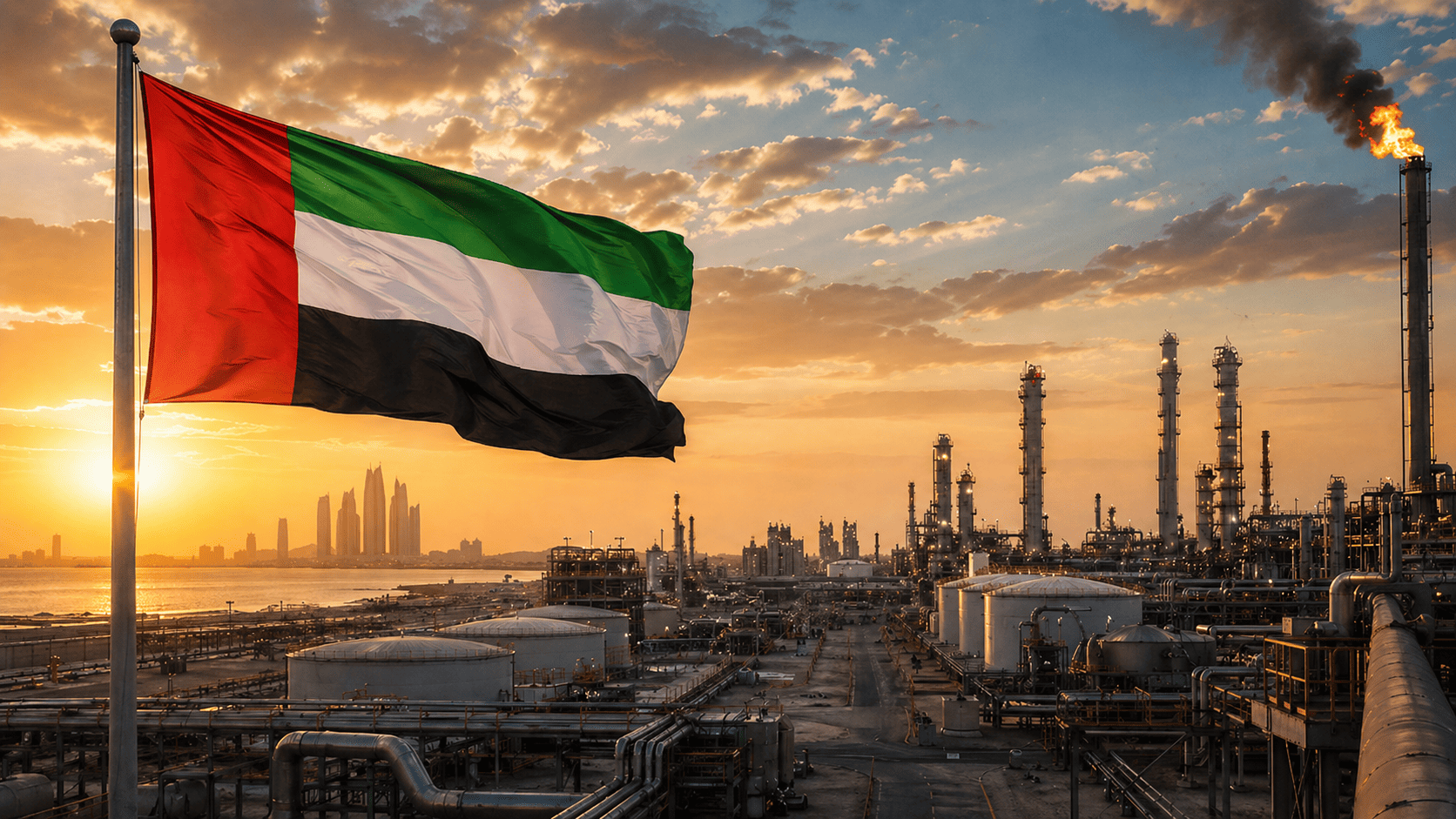
The United Arab Emirates has officially announced its withdrawal from OPEC and the broader OPEC+ alliance, with the exit taking effect on May 1, 2026. The decision closes a chapter that started in 1967, when Abu Dhabi joined the Organization of the Petroleum Exporting Countries, four years before the seven emirates united into a single federation.
OPEC+ is the wider grouping that emerged in 2016, bringing together the original OPEC members and ten additional producers, including Russia. The UAE has been a central voice inside both bodies for decades, and its departure removes one of the largest non-Saudi producers from the alliance.
Tensions Over Quotas Predated the Exit
The relationship between the UAE and OPEC has been strained for years. The most public disagreement came in 2021, when Abu Dhabi pushed back against Saudi-led production limits and argued that its quota baseline did not reflect the country's invested production capacity. That standoff delayed an OPEC+ deal for weeks before a compromise was reached.
Since then, the UAE has continued to expand its production capacity through state oil company ADNOC, with a stated target of reaching five million barrels per day. That capacity is well above the production levels permitted under recent OPEC+ quotas, which fueled persistent friction inside the group.
What the Exit Means for OPEC+
The UAE pumps roughly three to four million barrels of oil per day, making it one of the largest producers inside the alliance after Saudi Arabia, Russia, and Iraq. Its departure narrows the cartel's collective control over global crude supply and shifts more of the production discipline burden onto Riyadh and Moscow.
For Gulf neighbors, the move also raises a competitive dimension. Without OPEC+ quota constraints, the UAE will be free to set production based on its own commercial strategy, which could pressure other Gulf producers to defend their own market share.
Pressure Points for Global Oil Markets
Oil traders have been watching for signs of a UAE exit since reports of internal tensions resurfaced in recent quarters. The official confirmation removes uncertainty but raises fresh questions about how OPEC+ will function with one of its most active producers operating outside the room.
Three near-term signals will shape the response: the next OPEC+ meeting agenda, any production guidance issued by ADNOC after May 1, and the position taken by Saudi Arabia, which has anchored the alliance's supply policy for years.