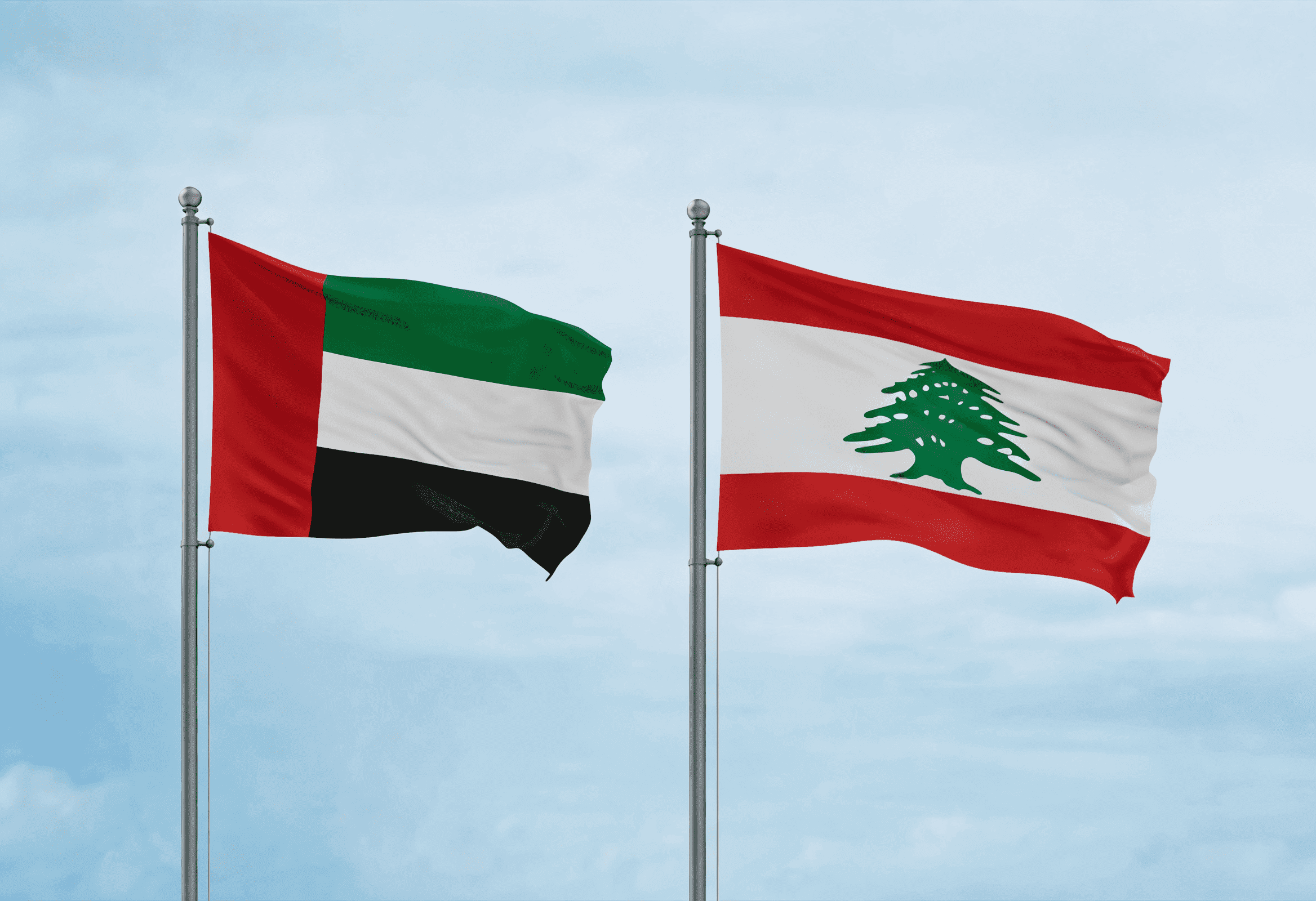
Lebanese Prime Minister Nawaf Salam and Syrian President Ahmed al-Sharaa ended a day of talks in Damascus on Saturday with an agreement to fast-track a joint Lebanese-Syrian Business Council, alongside new tracks on trade, energy, transport and border controls.
Salam, on his second visit to Syria since the fall of Bashar al-Assad in December 2024, told reporters at the close of the meeting that "significant progress" had been made on shared files. The Lebanese delegation included Deputy Prime Minister Tarek Mitri, Energy Minister Joseph Saddi, Economy Minister Amer Bisat, and Public Works and Transport Minister Fayez Rasamny.
What the Two Sides Agreed To
According to a statement from the Syrian presidency, the leaders agreed to develop economic and trade cooperation and to bolster security coordination. State news agency SANA said the visit aimed to advance joint cooperation in the economy, transportation and energy sectors specifically.
The two governments also agreed to accelerate the launch of a Joint Lebanese-Syrian Business Council, which is reported to convene in Damascus in the coming weeks. Regional outlets covering the meeting reported that the council is part of a wider push to strengthen technical standards and laboratory inspections that govern cross-border trade.
The Ministers Salam Brought With Him
By bringing his energy, economy and transport ministers in person, Salam moved the bilateral file out of pure diplomacy and into operational ministries. The composition of the Lebanese delegation reads as a clear list of Beirut's priorities.
For Lebanon, the most pressing items on that operational agenda are familiar. The country has spent years short of grid electricity and reliant on costly private generators, and any reactivation of supply through Syria would change the fiscal math for the energy ministry. Expanded use of the Beirut-Damascus road for Lebanese exports also matters for an economy that has been starved of foreign currency since 2019.
Hezbollah, Borders and the Wider File
Both governments oppose Hezbollah, the Iran-backed group that lost its main supply route through Syria when al-Assad was forced out. Salam and al-Sharaa discussed tighter controls on the porous 330-kilometre border the two countries share, and ways to curb the smuggling of people, goods, weapons and drugs.
The leaders also addressed the file of Syrian detainees in Lebanon. More than 2,000 Syrians are held in Lebanese jails, and over 130 were transferred home in March under an earlier agreement. Salam said the two sides would continue working on releases and on uncovering the fate of the missing in both countries.
Saturday's visit comes days before another sensitive Lebanese diplomatic moment: a new round of direct Lebanon-Israel talks in Washington on May 14 and 15, brokered to firm up the April truce. For Salam, an active Syria track gives Beirut a stronger regional footing as those talks open.