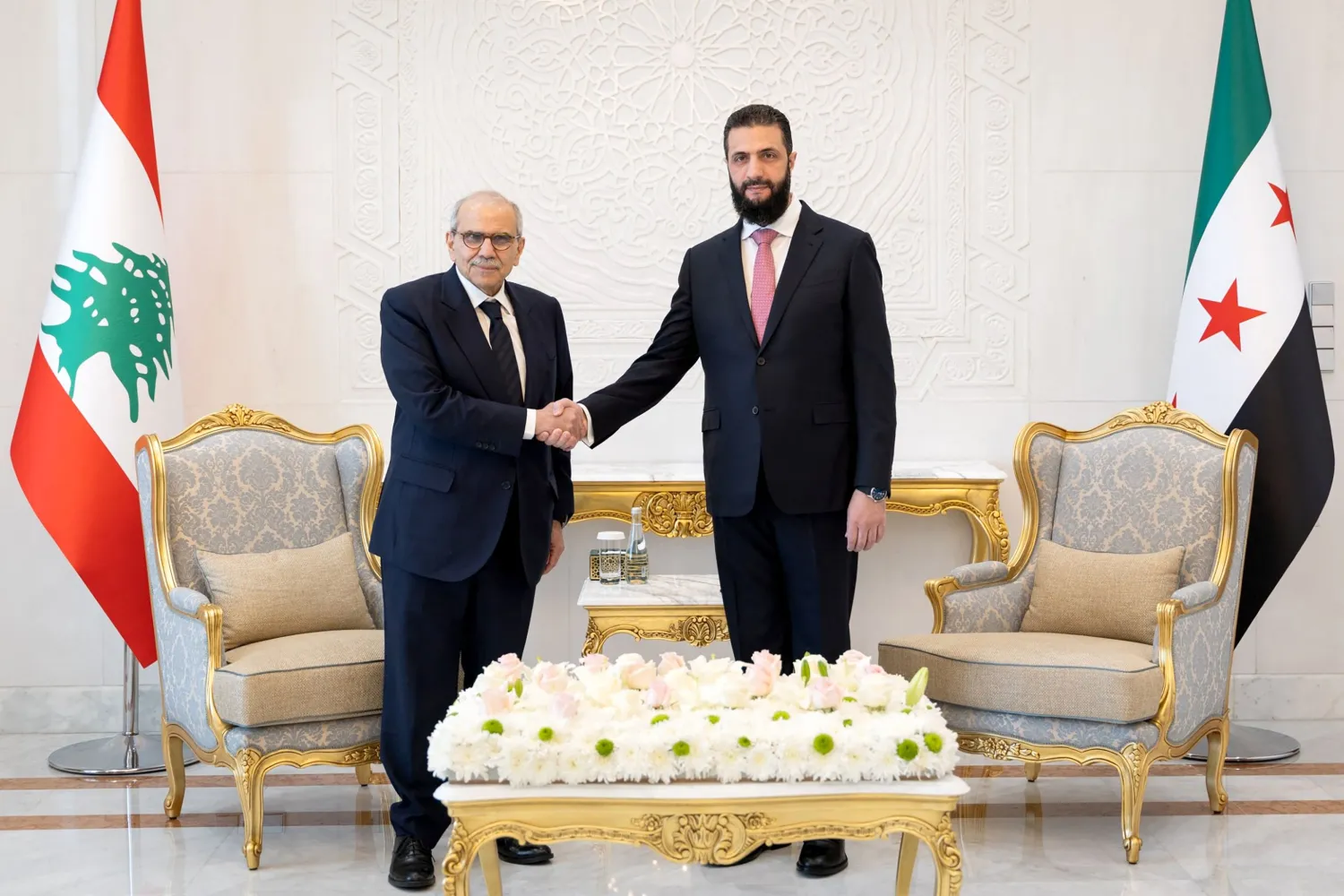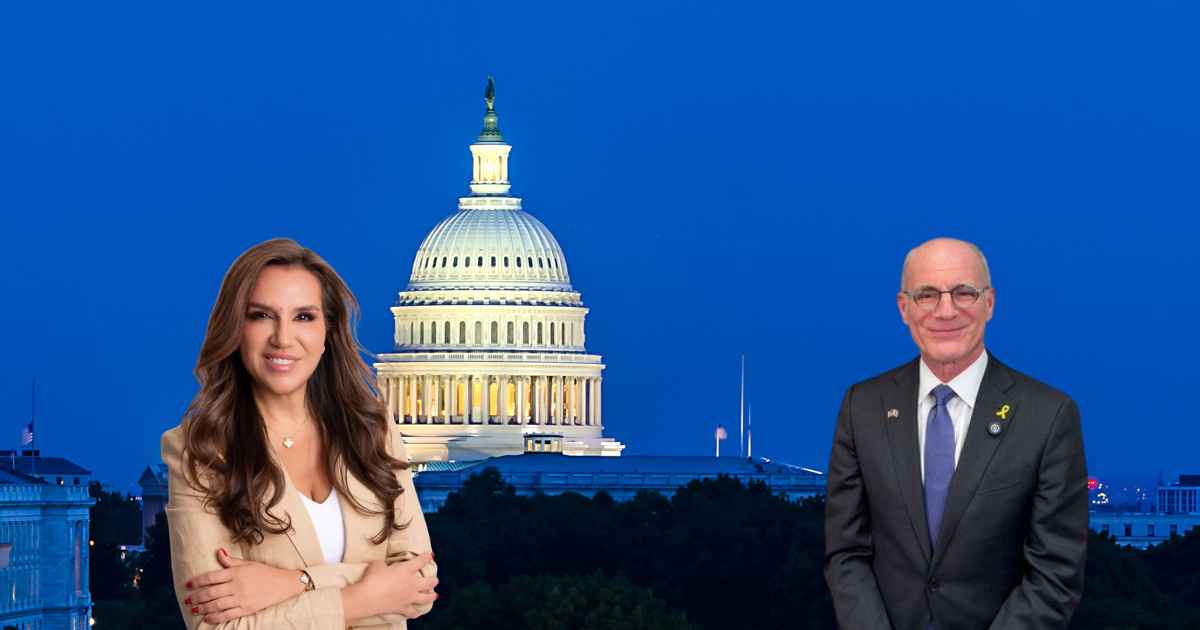
Lebanon and Israel are scheduled to hold direct talks in Washington on Tuesday under U.S. mediation.
AP, citing a U.S. official, said these are the first such talks since 1993.
Lebanon says it wants to use the meeting to seek a ceasefire. Israel says it will not discuss a ceasefire with Hezbollah and is focused on Hezbollah’s disarmament and border security.
Hezbollah chief Naim Qassem has urged the Lebanese government to cancel the talks and called them “pointless.”
Expectations for a deal remain low as fighting continues in southern Lebanon and political divisions inside Lebanon remain sharp.
Rare Lebanon-Israel talks open in Washington
Lebanese and Israeli representatives are due to meet in Washington on Tuesday in a rare direct diplomatic encounter brokered by the United States. U.S.
Secretary of State Marco Rubio is expected to take part alongside Israeli Ambassador Yechiel Leiter and Lebanese Ambassador Nada Hamadeh Moawad.
AP, citing a U.S. State Department official, said the talks are the first of their kind since 1993.
Lebanon and Israel are not going in with the same objective
The core problem is straightforward. Lebanon says it wants the talks to help secure a ceasefire. Reuters reported that Beirut plans to use the face-to-face meeting to press for an end to the war. Israel, however, has said it will not discuss a ceasefire with Hezbollah and instead wants to focus on Hezbollah’s disarmament, long-term security on Israel’s northern border, and a broader political arrangement with Lebanon.
Hezbollah rejects the process
Hezbollah has publicly opposed the meeting before it began. Reuters reported that Hezbollah chief Naim Qassem urged the Lebanese government to cancel the talks and described them as “pointless.”
The split underlines a deeper Lebanese political reality: the government is trying to negotiate through state institutions, while Hezbollah is making clear it does not consider itself bound by a diplomatic track it rejects.
“Pointless.”
Fighting has continued as diplomats prepare to meet
The talks are taking place while the war is still active. Reuters reported on Monday that Israeli troops were pressing an assault around Bint Jbeil in southern Lebanon, while cross-border fire continued.
AP reported that more than 2,089 people have been killed in Lebanon and more than 1 million displaced since the fighting intensified. That military reality helps explain why expectations for a diplomatic breakthrough remain limited.
What the meeting can realistically achieve
At this stage, the most realistic outcome is not a full agreement but a clearer negotiating track. The meeting could test whether Washington can narrow the gap between Lebanon’s push for a ceasefire and Israel’s insistence on discussing Hezbollah’s weapons and border security first. For now, the main fact is that direct contact is happening, but the two sides are still far apart on the substance.
What matters most right now
Here are the key points readers should watch after Tuesday’s session:
Whether the two sides agree on any follow-up meetings or a negotiating framework.
Whether the U.S. publicly defines the talks as ceasefire diplomacy, border-security talks, or a broader political track.
Whether violence on the ground eases or continues immediately after the meeting.