TL;DR
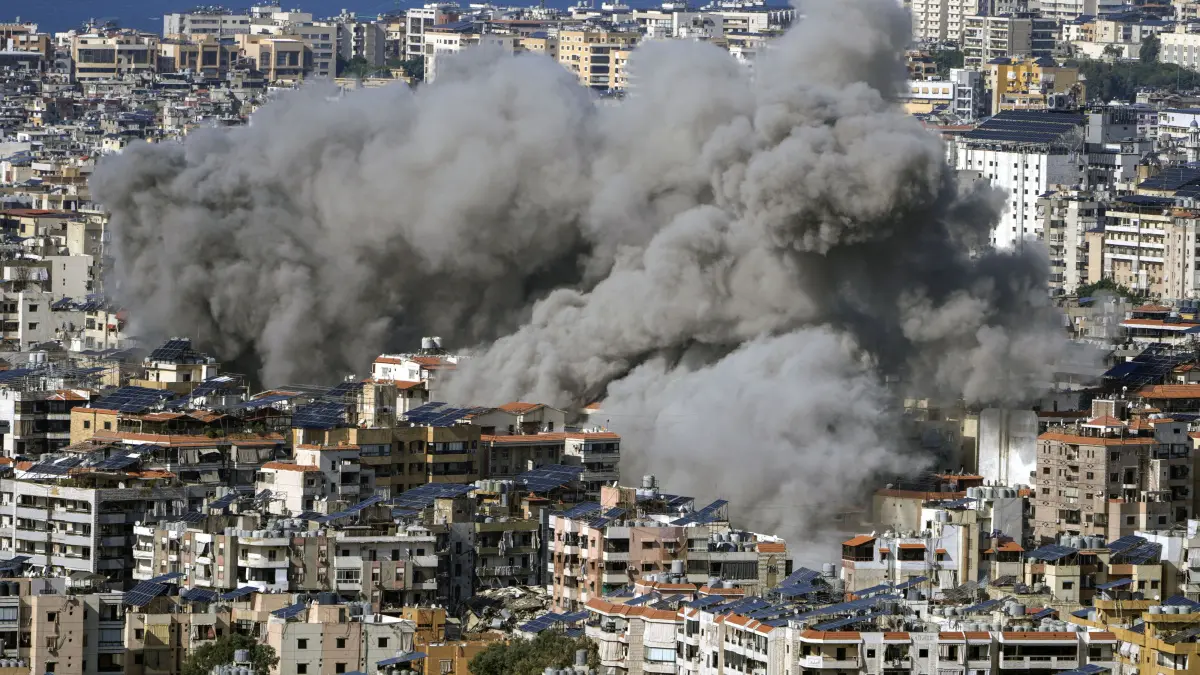
Reports say Israeli strikes expanded across Lebanon after Hezbollah joined the widening regional conflict.
Displacement is rising, with thousands moving into shelters and communities relocating away from targeted areas.
The immediate business risk is a potential “stop-start” economy: travel disruption, weaker consumer demand, supply delays, and pressure on essential services.
Lebanon is being pulled deeper into a widening regional conflict, with reports of Israeli strikes across multiple areas of the country after Hezbollah joined the broader confrontation. The renewed escalation is already driving displacement and raising the risk that economic activity — work, commerce, services and mobility — could face prolonged disruption.
What happened
Reports describe intensified Israeli strikes across Lebanon following Hezbollah’s involvement in the expanding regional conflict. The escalation has triggered new waves of displacement, with growing pressure on public shelters and host communities.
In parallel, the Lebanese government has moved to signal that it does not want the country dragged further into a broader war, including calls to restrict armed activity and reinforce state control over security decisions.
Displacement is rising — and the economy feels it first
Large-scale displacement is not only a humanitarian crisis; it becomes an economic shock immediately.
When households relocate, the first impacts typically show up in:
Retail and services: demand shifts sharply and discretionary spending drops
Work attendance and productivity: staff movement becomes unreliable
Public facilities and schools: some are repurposed as shelters
Local logistics: deliveries slow and inventory replenishment becomes uncertain
Housing pressure: short-term rent distortions often appear in “safer” areas
Where the economic shutdown risk concentrates
Even before full macro data is available, Lebanon’s shutdown risk tends to cluster in four channels:
1) Mobility and travel
Conflict affects road movement, business travel, and airport operations. When mobility becomes uncertain, deal-making slows, attendance drops, and supply and distribution networks lose predictability.
2) Trade and supply chains
Imports become more expensive and less predictable when insurance costs rise, routes are avoided, or suppliers delay deliveries. This pressure is amplified in Lebanon, where many categories depend on imported inputs.
3) Consumer demand and cash behavior
In security shocks, households prioritize essentials. Restaurants, malls, discretionary retail, and leisure are typically first to feel the pullback. Cash hoarding and shortened purchasing cycles often follow.
4) Services and payments
Even when businesses stay open, operations can degrade: short staffing, disrupted courier networks, delayed restocking, and reduced service availability. Financial services, payments, and remittances can face friction during prolonged volatility.
What businesses should expect next (if escalation persists)
If the escalation continues, businesses should plan around:
Reduced opening hours or temporary closures in affected areas
Workforce attendance volatility and higher absenteeism
Higher logistics costs and longer delivery lead times
A more defensive consumer mindset focused on essentials
Pressure on healthcare, education, and municipal services that support daily commerce
What to watch next
Three near-term indicators will help signal whether Lebanon is heading into a limited flare-up or a broader shutdown cycle:
The duration and geographic breadth of strikes
The scale and direction of displacement (and how long shelters remain active)
Transport continuity (airport status, regional flight disruptions, and road safety)
LeBusiness will update this story as official figures and verified reporting become available.