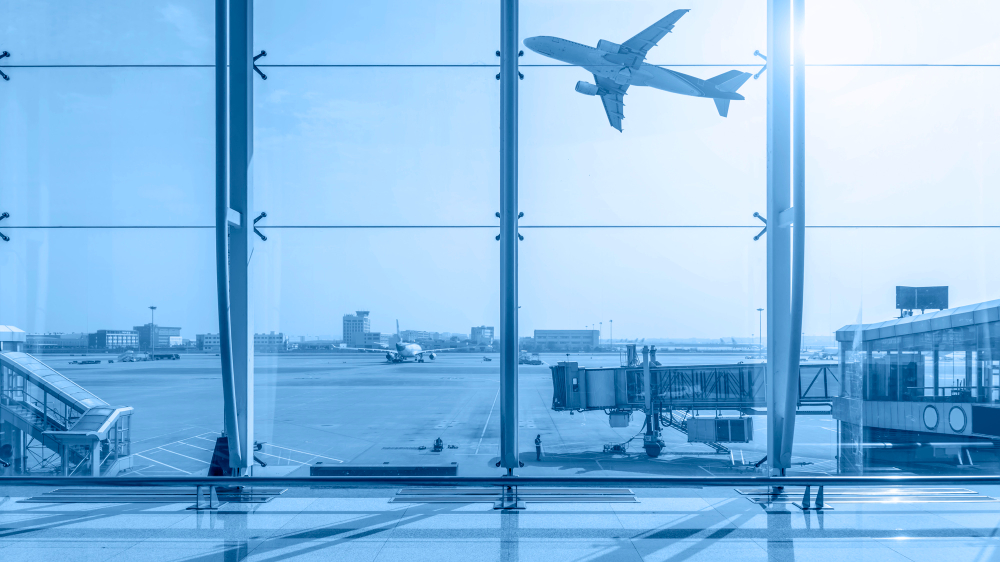
A wave of airspace closures and restrictions across the Middle East triggered widespread flight cancellations, diversions and delays. Reuters reported Russia suspended flights to Iran and Israel and urged rerouting away from additional Gulf airspace closures, while AP said the disruption stranded or rerouted hundreds of thousands of travelers and led to large-scale cancellations across major hubs.
Air travel across the Middle East was thrown into disruption after a rapid escalation linked to Iran prompted multiple countries to close or restrict their airspace, forcing airlines to reroute and cancel flights across the region.
What happened
As military escalation accelerated, aviation authorities across the region issued closures or restrictions that immediately affected commercial traffic:
Iran and Israel closed airspace in the initial phase of the escalation, and other countries including Bahrain, Iraq, Qatar and Kuwait followed with closures or restrictions, according to Reuters reporting.
Russia’s transport ministry said Russian airlines suspended flights to Iran and Israel, while Rosaviatsiya advised rerouting after additional closures and temporary restrictions across Gulf airspace.
Airlines and hubs hit hardest
The disruption quickly moved from “local reroutes” to systemwide hub interruptions:
AP reported over 1,800 flight cancellations and said major hubs in Dubai, Abu Dhabi and Doha were heavily affected, with airlines facing knock-on disruptions across Europe, Asia and Africa.
The National reported UAE airport operators and carriers issued advisories of delays, diversions and cancellations, and that some flights were suspended for defined time windows depending on operational conditions and airspace reopening.
Why flights are being diverted
Airlines are effectively forced into two options when airspace closes in a dense transit region like the Middle East:
Hold and delay departures until corridors reopen; or
Divert and reroute around closed zones—often via Turkey/Caucasus to the north or via Egypt/Saudi routes to the south—adding distance, fuel burn, crew complexity and missed connections.
In the short term, the result is:
longer flight times and higher operating costs,
disrupted schedules across entire networks (not only Middle East routes),
and higher odds of passengers being stranded mid-journey.
Why this matters for business (and Lebanon)
For businesses in Lebanon and MENA, aviation disruption matters beyond tourism:
Cargo and high-value shipments face delays and increased costs.
Executives, sales teams and diaspora travel become less predictable, affecting deal timelines and commercial activity.
Insurance premiums and risk pricing can rise quickly when conflict elevates airspace uncertainty.
If closures persist, airlines may trim frequencies and capacity—raising prices and tightening travel availability across the region.