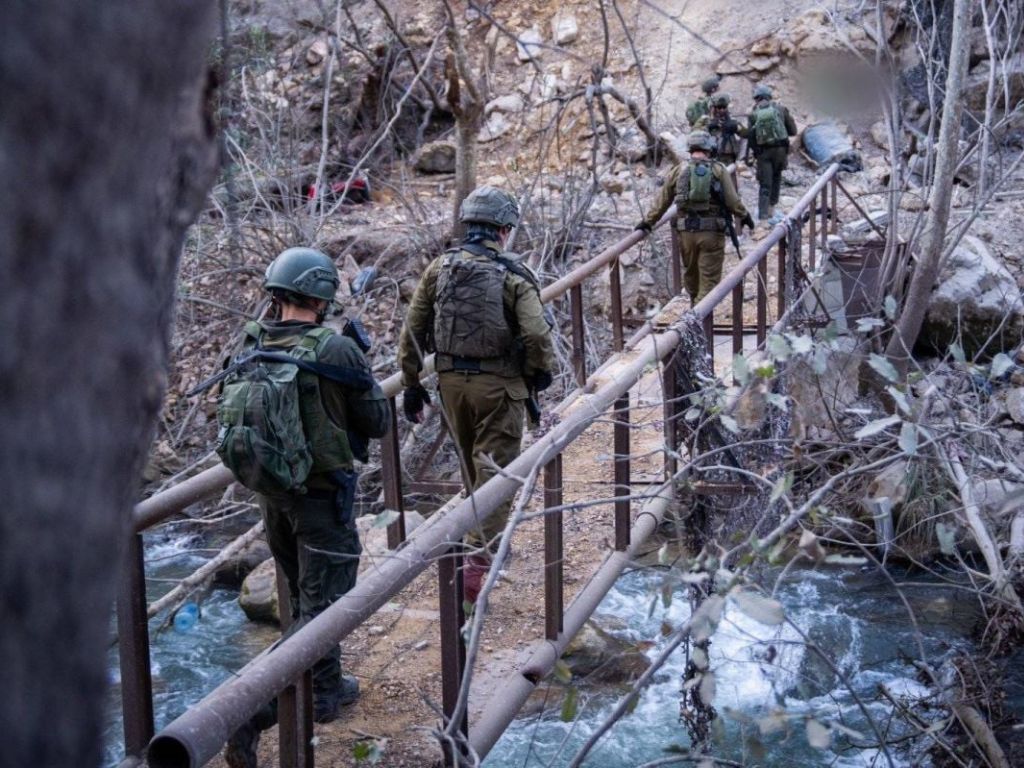
Israel announced the launch of limited ground operations in southern Lebanon, expanding military activity along the volatile border region. The development marks one of the most significant escalations in recent months and has heightened concerns about a wider regional confrontation.
Israeli officials described the operations as targeted actions aimed at militant infrastructure near the border. However, the location of these movements has drawn attention to a geographical feature that has shaped decades of geopolitical calculations in the region: the Litani River.
The river lies entirely within Lebanon but runs roughly parallel to the border before flowing west into the Mediterranean Sea.
Why the Litani River Matters Strategically
The Litani River is Lebanon’s largest river and one of the country’s most important freshwater sources. It supports agriculture, hydroelectric power generation, and water supply across southern Lebanon.
At the same time, the river has long appeared in Israeli strategic discussions because of its proximity to northern Israel and its role as a natural geographic boundary.
Historically, analysts have identified several factors behind the river’s strategic relevance:
The river runs roughly 30 kilometers north of the Israeli border
The area south of the river has often been discussed as a potential security buffer zone
The water basin represents one of the largest freshwater resources in the eastern Mediterranean
These factors have shaped regional security calculations for decades.
Historical Context and Security Calculations
The Litani River has appeared repeatedly in discussions surrounding conflicts between Israel and armed groups operating in southern Lebanon.
During Israel’s 1982 invasion of Lebanon, Israeli forces advanced beyond the Litani. Later international arrangements, including United Nations Security Council Resolution 1701 following the 2006 war, called for armed groups to withdraw north of the river.
These frameworks reinforced the river’s role as an informal strategic reference line in security planning.
Despite these discussions, the river remains fully under Lebanese sovereignty and no international agreement grants Israel any rights over its waters.
Water, Geography, and Regional Stability
Water resources have long played a role in Middle Eastern geopolitics. Rivers and aquifers often intersect with security concerns in a region that faces chronic water scarcity.
The Litani River therefore carries significance in three areas:
Security geography near the Lebanon–Israel border
Lebanon’s domestic water and energy resources
Regional strategic calculations linked to stability and conflict
Military developments near the border inevitably bring these issues back into focus.
As tensions rise, analysts warn that any sustained escalation in southern Lebanon could carry consequences beyond the immediate battlefield, affecting regional security dynamics and economic stability across the Eastern Mediterranean.