Iran has moved to close the Strait of Hormuz after strikes, with ships receiving VHF radio transmissions attributed to Iran’s Revolutionary Guards stating that “no ship is allowed to pass”, according to an official from the EU naval mission Aspides cited by Reuters. Oil and gas majors, traders and tanker operators suspended shipments through the chokepoint and shipping groups adjusted operations, raising immediate risks for oil and LNG flows, war-risk insurance and regional supply chains.
What happened
Following the latest escalation, vessels operating in the Gulf began receiving VHF radio warnings attributed to Iran’s Islamic Revolutionary Guard Corps (IRGC). An official from the European Union’s naval mission Aspides told Reuters that the messages said: “no ship is allowed to pass the Strait of Hormuz.”
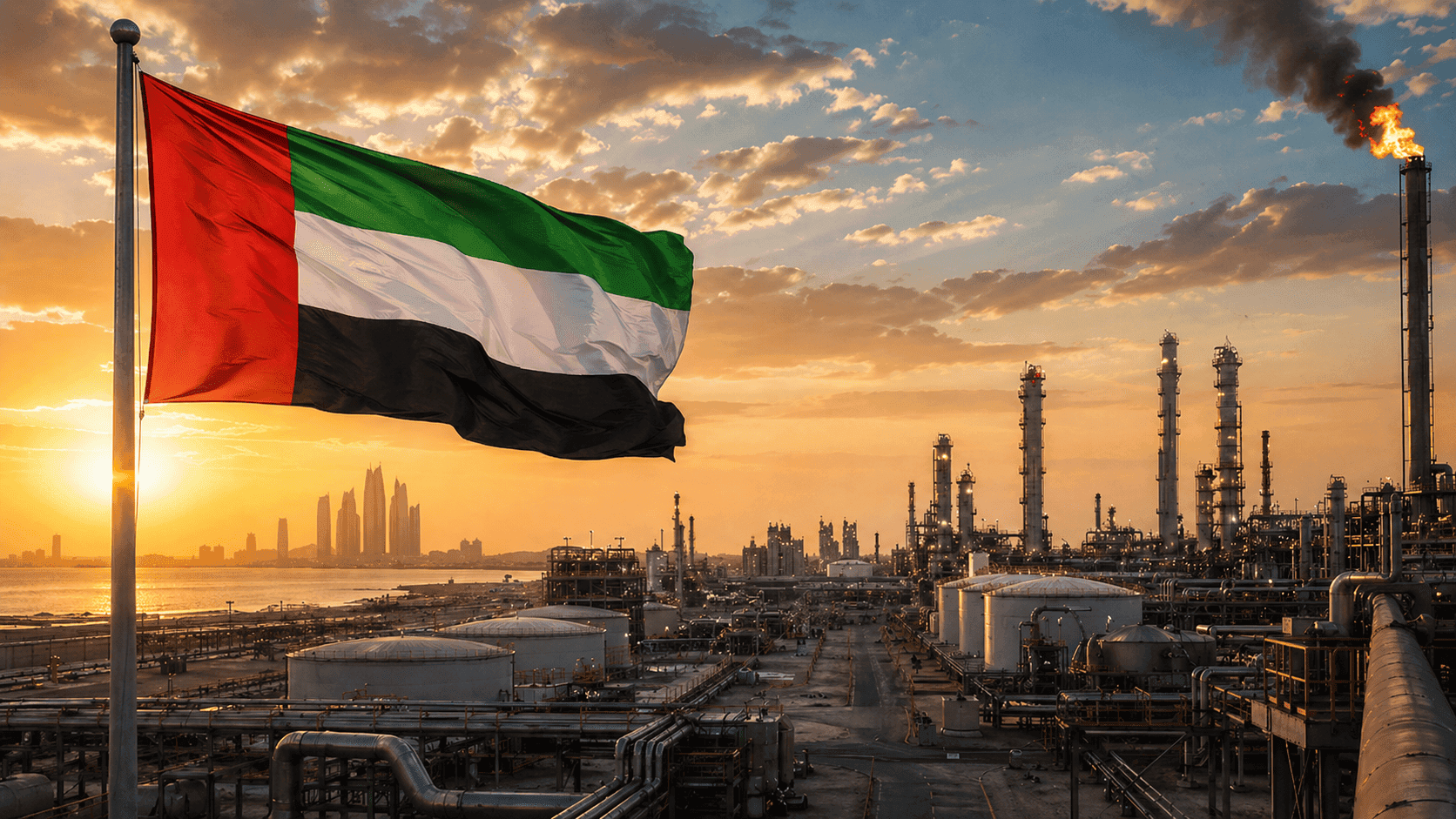
In parallel, Reuters reported that energy producers, trading firms and tanker operators halted or delayed shipments through Hormuz, with vessels observed idling near key regional ports such as Fujairah in the UAE.
Bottom line: even without a universally recognized “legal notice,” the combination of transit-denial warnings and commercial suspensions amounts to a de facto closure risk—and markets treat it that way.
Why the Strait of Hormuz matters
The Strait of Hormuz is the Gulf’s primary maritime exit to global markets. A significant share of global oil—and large volumes of LNG—move through this narrow corridor.
That’s why even short-lived disruption can ripple quickly into:
crude and refined-product pricing,
LNG delivery reliability,
shipping availability and freight rates,
and insurance costs (war-risk premiums).
Reuters’ reporting noted that disruptions threaten roughly 20% of global oil flows, and highlighted early signs of LNG tanker slowdowns and reversals.
What companies are doing right now
Reuters described a fast shift from “rerouting” to “pause and hold”:
Oil and gas majors and traders suspended or delayed shipments through Hormuz.
Tanker operators held vessels in safer waters and avoided entering the Gulf, while monitoring security advisories.
Major shipping groups began adjusting Gulf operations, including suspensions and shelter instructions for vessels already in the region (as described in Reuters’ roundup).
This is typical in chokepoint crises: once counterparties cannot guarantee safe transit, cargo owners, insurers and shipowners often freeze movement first, then reassess.
“Closed” vs “not legally binding”: why both can be true
This is where precision matters:
Operational reality: if ships are being told “no passage” and commercial actors stop shipping, the strait is effectively closing.
Legal framing: Reuters also reported some officials said Iran’s action was “not legally binding”—but that does not reduce the practical disruption or market impact.
Markets price the risk and disruption, not the legal terminology.
Why it matters for Lebanon
Lebanon is not an oil exporter, but it is highly exposed to energy and freight shocks:
Higher import costs
Fuel and shipping costs transmit quickly into the landed cost of imported goods.
Inflation sensitivity
Lebanon’s pricing is extremely sensitive to energy and transport costs.
Supply chain delays
If Gulf routes remain disrupted, lead times for many import categories can stretch—and business planning becomes harder.
What to watch next
Three signals will determine how severe this becomes:
Duration of the shipping pause — whether tanker/LNG traffic resumes or remains frozen.
Escalation at sea — whether enforcement expands beyond warnings into incidents.
Insurance and advisory updates — war-risk pricing and formal navigation warnings will shape when commercial shipping restarts.