Economy
Page 5 / 6Macroeconomic coverage focused on Lebanon and the MENA region—growth, inflation, currency, employment, public finance, and major institutions such as the IMF and World Bank.
UAE Opens Currency Swap Talks With US to Secure Dollar Liquidity
Move seen as a precautionary step as regional tensions raise concerns over capital flows and oil revenues
The UAE has initiated discussions with the United States on a potential currency swap line to safeguard dollar liquidity, signaling early risk management amid rising geopolitical uncertainty in the region.
Goldman Sachs Sees 24.6% Recovery on Lebanon Eurobonds
The investment bank expects restructuring talks to begin in the second half of 2026 once key conditions are met.
Goldman Sachs has set its base-case recovery value for Lebanese Eurobonds at 24.6 cents on the dollar, according to research circulated by Credit Libanais. The bank expects restructuring to start in the second half of 2026 if a permanent ceasefire and other conditions are met.
Middle East Businesses Could Face Two Years of Energy Pressure, IEA Warns
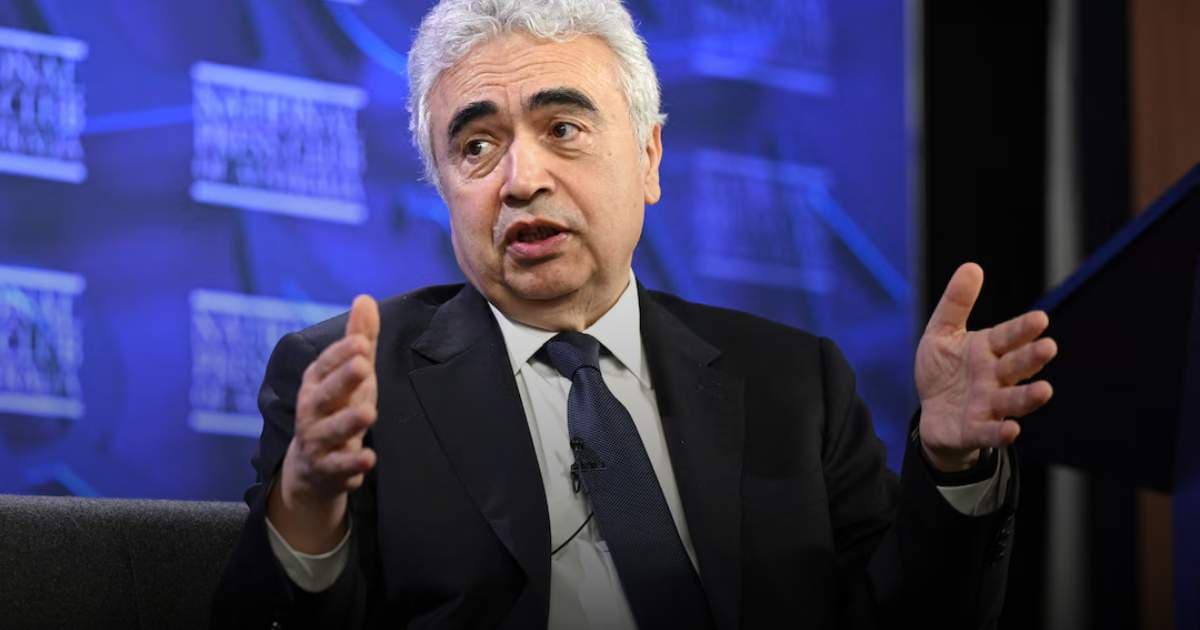
Fatih Birol says regional energy output may take around two years to return to pre-war levels, a warning that raises fresh concerns for fuel costs, shipping, aviation, and business margins across the Middle East.
The International Energy Agency’s latest warning is not just an oil-market headline. It is a business risk story. If Middle East energy output takes two years to recover and the Strait of Hormuz remains disrupted, companies across the region could face higher transport costs, tighter margins, supply delays, and renewed inflation pressure.
Lebanon Signs $200 Million World Bank Loan to Expand Social Safety Net
The agreement formalizes financing approved earlier this year to support cash assistance for vulnerable households and strengthen Lebanon’s social protection system.
Lebanon has signed a $200 million loan agreement with the World Bank to support its social safety net system. The financing builds on a project approved in January 2026 and aims to expand cash assistance for poor families while improving how social support is delivered.
Top 10 Arab Economies in 2026, According to the IMF
Saudi Arabia is set to remain the largest Arab economy in 2026, with the UAE and Egypt following behind, while energy exporters and large North African markets continue to dominate the regional ranking.
The latest IMF projections available on April 13, 2026 show Saudi Arabia leading the Arab world by nominal GDP in 2026 at about $1.32 trillion. The UAE ranks second, followed by Egypt, while Algeria, Iraq, Qatar, Morocco, Kuwait, Oman, and Tunisia complete the top 10.
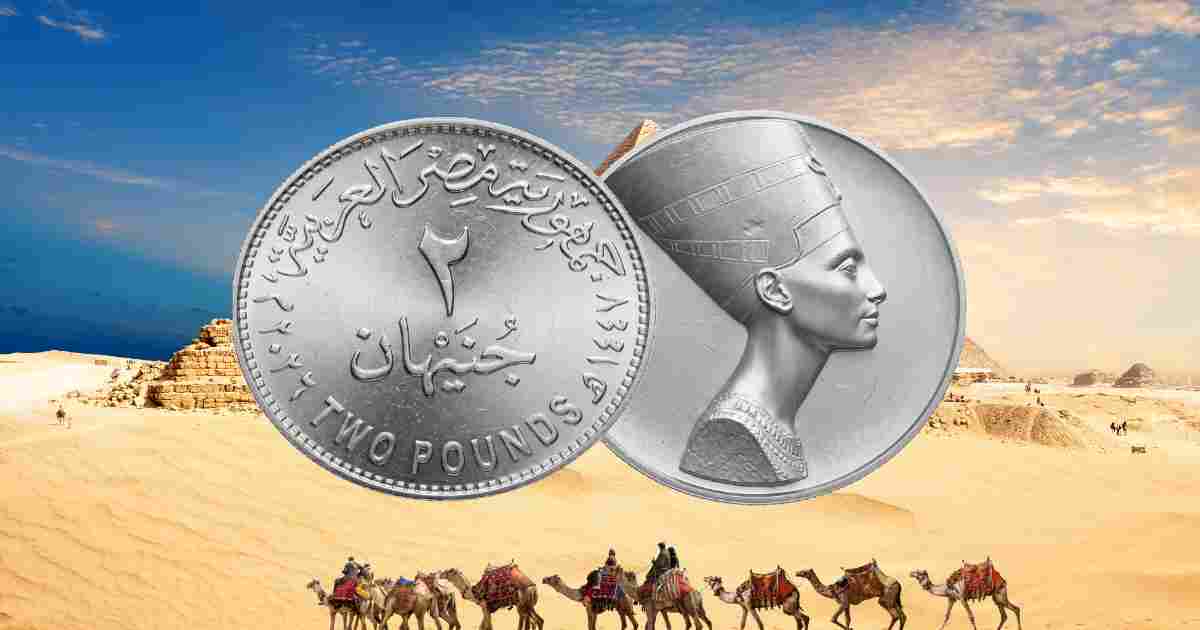
Egypt to Introduce 2-Pound Coin to Ease Transactions
New coin and redesigned currency aim to reduce shortages and improve access to small change across the country
Egypt plans to issue a 2-pound coin and upgrade existing denominations to address persistent shortages of small change, lower production costs, and improve everyday transactions.
Lebanon's $150 Million Digital Bet: Can the World Bank Fix a Government That Barely Functions?
The World Bank just gave Lebanon $150 million to go digital. Here is why it matters, why it might work, and why it might not.
In January 2026, the World Bank approved $150 million for the Lebanon Digital Acceleration Project, a plan to modernize government services, build cybersecurity infrastructure, and create a national digital ID system. It is the largest digital investment Lebanon has ever received. But Lebanon has a long history of reform projects that go nowhere. This article breaks down what the money is for, what opportunities it creates for Lebanese tech companies, and the real risks that could make it all collapse.
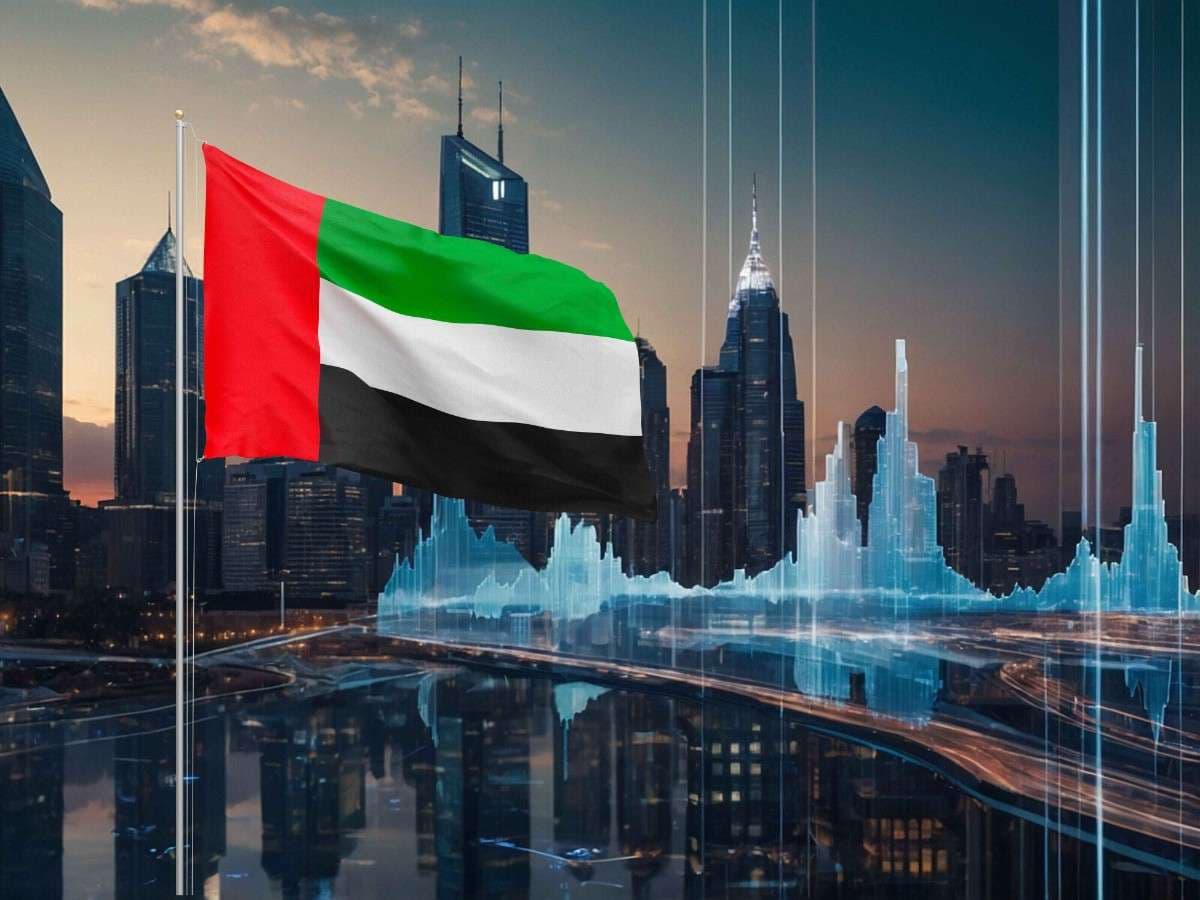
Four Economic Crises That Shaped the UAE — And What They Reveal About Its Growth Model
From the 2008 global financial crisis to post-pandemic recovery, the UAE has faced repeated economic shocks and emerged with a more diversified and resilient economy.
Over the past two decades, the United Arab Emirates has navigated four major economic disruptions, including the 2008 financial crisis, the 2014 oil price collapse, the COVID-19 pandemic, and recent geopolitical tensions. Each episode tested the country’s economic model and accelerated structural reforms. Data from global institutions show that the UAE’s ability to recover and expand non-oil sectors has strengthened its long-term growth outlook and investor confidence.
The Gulf’s New Growth Engine: 5 Non-Oil Sectors Powering the GCC in 2026
Tourism, logistics, finance, clean energy and technology are now shaping the GCC’s next growth cycle as governments push harder to reduce dependence on oil revenues.
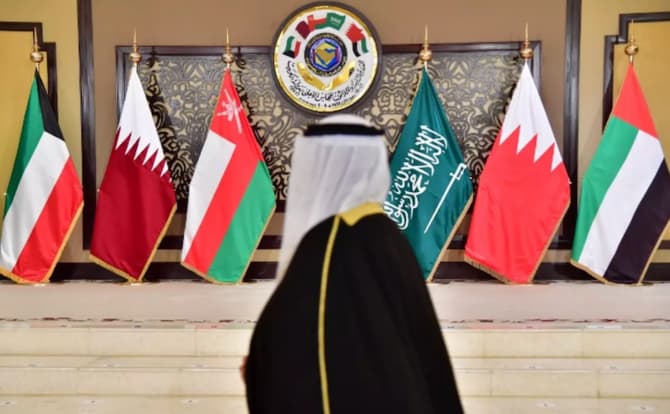
The Gulf’s economic story in 2026 is no longer defined by crude alone. Across Saudi Arabia, the UAE, Qatar, Oman, Bahrain and Kuwait, non-oil sectors now drive a growing share of output, investment and hiring. Official data and multilateral forecasts show tourism, trade infrastructure, financial services, renewable energy and digital industries carrying more of the region’s momentum as GCC governments deepen diversification strategies.
Lebanon’s economy is losing $60–$80 million a day during hostilities, before counting physical damage
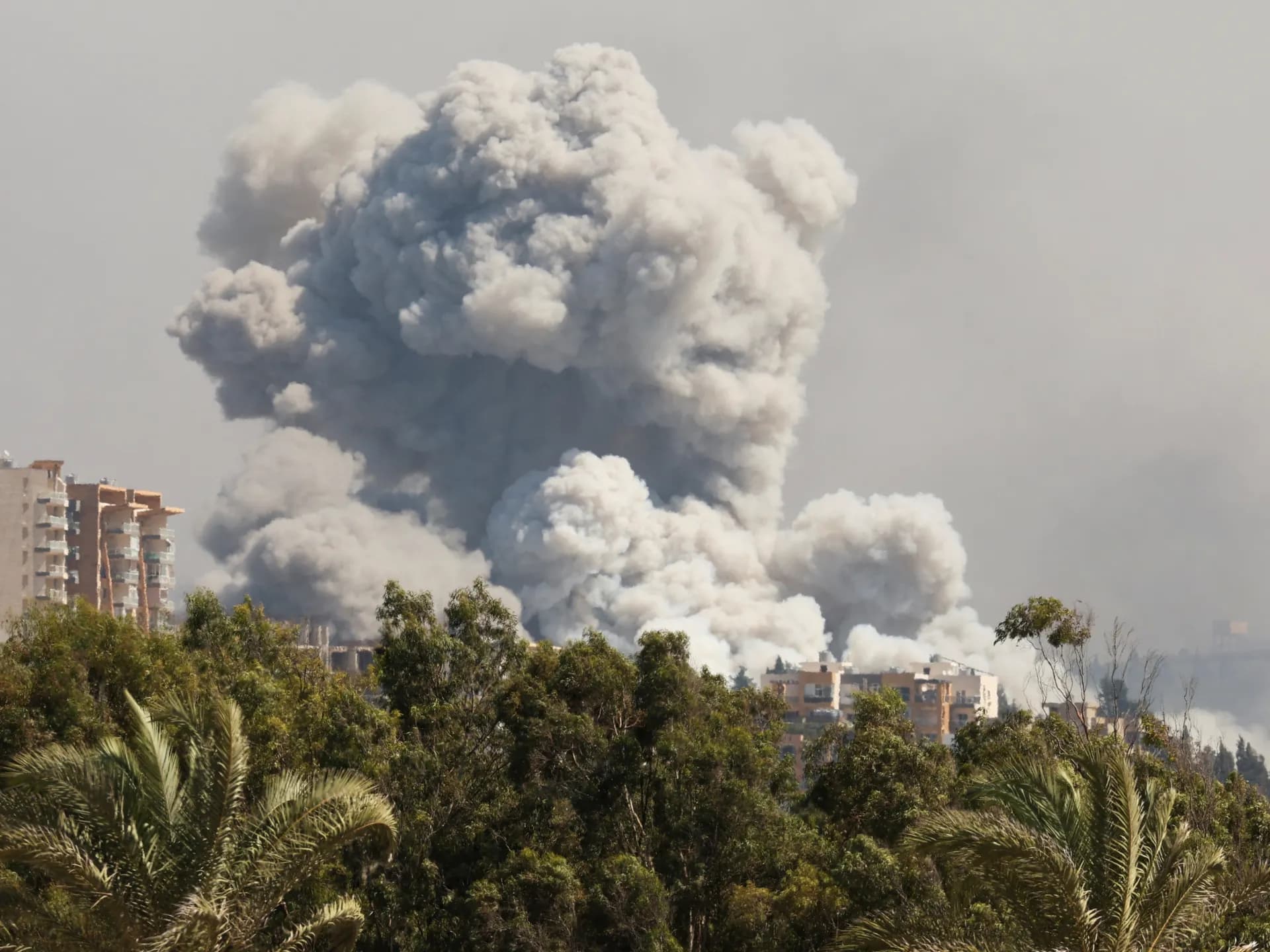
Local coverage cites a Ministry of Economy estimate for daily economic losses, while business groups cite broader “impact” figures closer to $100 million a day.
Lebanon’s most-cited operational estimate for “daily economic losses” during active hostilities ranges between $60 million and $80 million per day, according to Lebanese press reports attributing the figure to the Ministry of Economy and Trade. Separate business and economist estimates often cite broader impact closer to $100 million per day, typically including wider disruption costs beyond day-to-day commerce slowdowns. 
Global Alarm Grows Over Hormuz as IMF, OECD and IEA Warn of a 2026 Shock
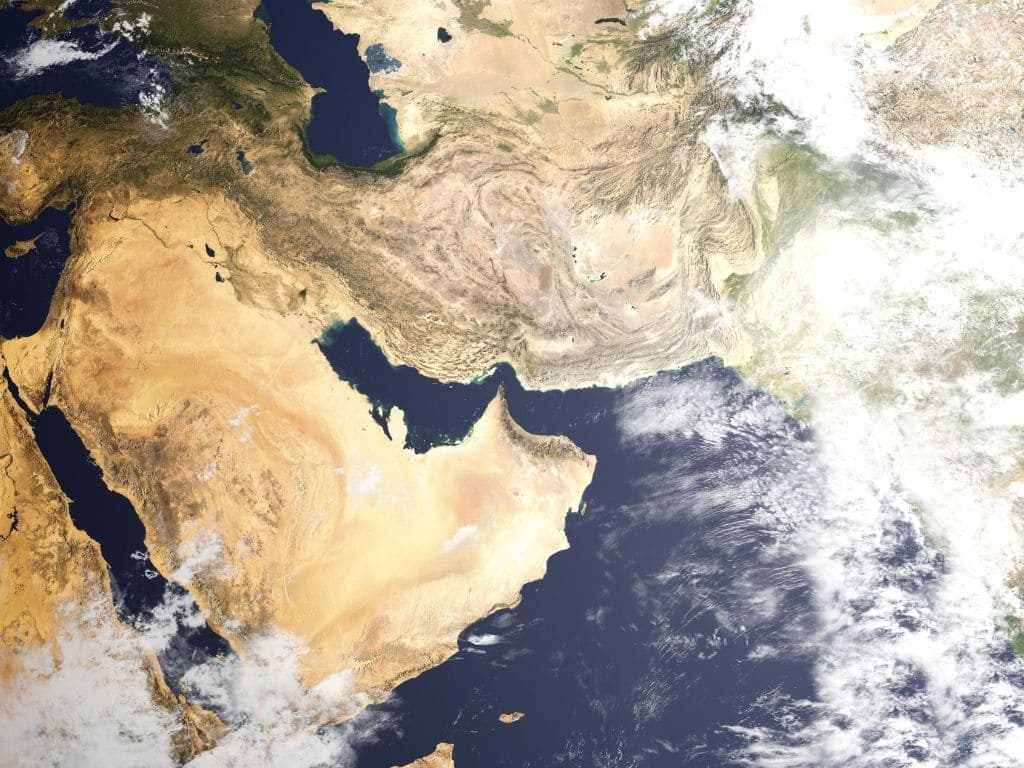
A widening group of policymakers and market watchers now sees the Strait of Hormuz as the key fault line for the global economy, with risks to inflation, growth, energy security and trade.
A broad global consensus of risk is forming around the Strait of Hormuz, as the IMF, OECD and IEA warn that prolonged disruption could hit growth and reignite inflation in 2026. While some of the figures circulating online could not be independently verified, the core message is clear: a sustained energy shock through Hormuz would threaten the global economy far beyond the Middle East.
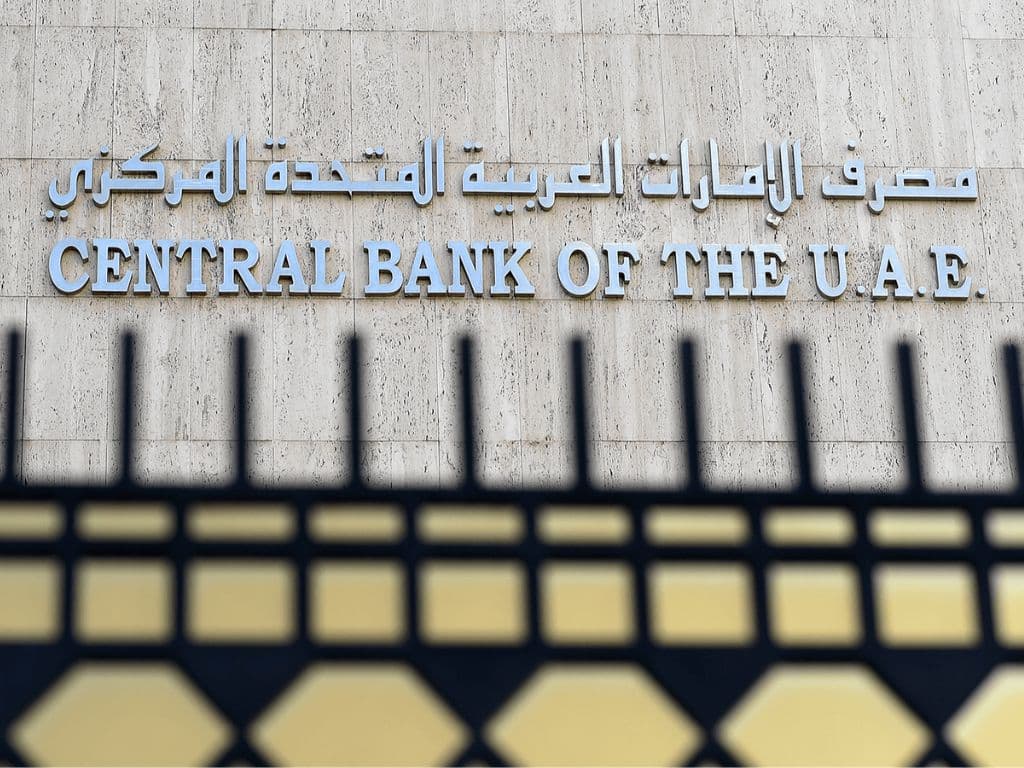
UAE Central Bank Launches “Resilience Package” to Protect Banking Sector Amid Regional Tensions
The package expands access to liquidity in dirhams and dollars, eases key regulatory ratios, and temporarily releases capital buffers as authorities signal they want banks to keep lending.
Central Bank of the United Arab Emirates approved a Financial Institution Resilience Package that widens banks’ access to liquidity and relaxes selected prudential requirements amid escalating regional market stress linked to Iran. The central bank said it holds foreign exchange reserves above AED 1 trillion and that UAE banks maintain roughly USD 250 billion in liquidity at the central bank and in eligible assets, a cushion officials want lenders to use to sustain financing for businesses and households.