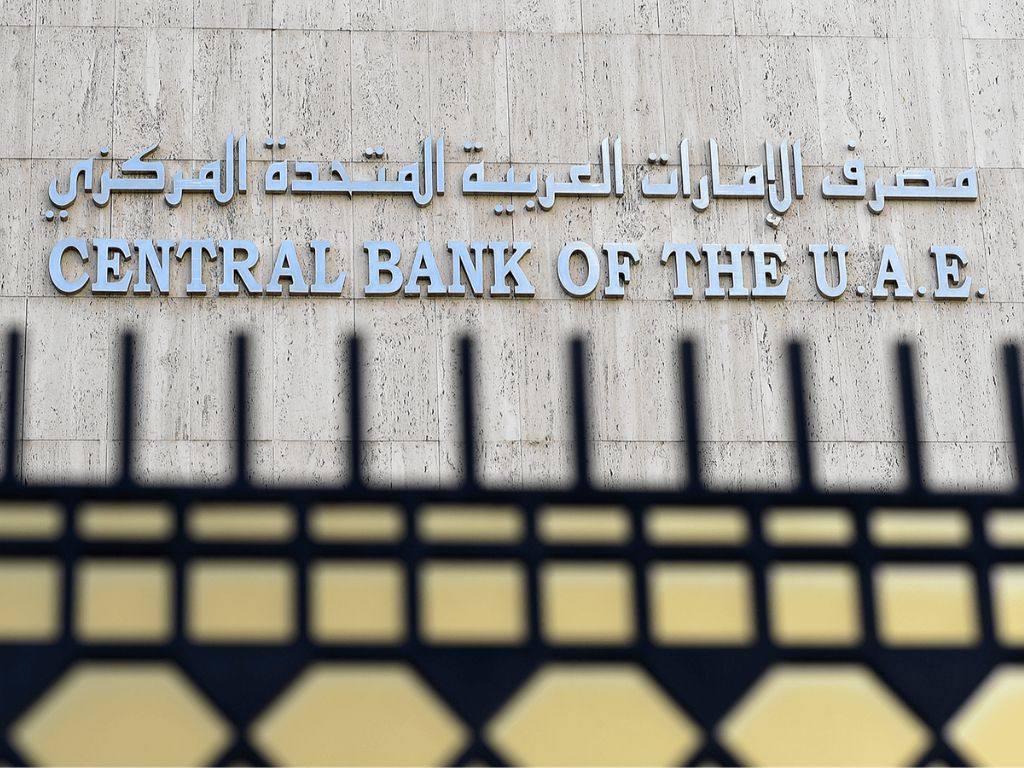
Reuters reported that the UAE central bank approved the package on March 17 as the regional crisis entered a third week and disrupted energy and transport markets.
The CBUAE board said the UAE financial system “has demonstrated resilience” during current extraordinary conditions “without any material impact” on banking-sector health and payment systems.
The board met in Abu Dhabi under Sheikh Mansour bin Zayed Al Nahyan, who chairs the central bank’s board, and approved what it called a comprehensive Financial Institution Resilience Package.
The UAE’s enduring financial and economic strength is rooted in the forward-looking vision of the UAE’s leadership.
What the resilience package changes for banks and borrowers
The CBUAE designed the package around five pillars and positioned it as a set of policy levers, not a single headline funding amount.
The package includes the following pillars:
Monetary policy measures: Banks can access reserve balances up to 30% of the cash reserve requirement, and the central bank will offer term liquidity facilities in both AED and USD.
Liquidity and funding relief: The CBUAE will grant temporary relief in liquidity and stable funding ratios to give banks more flexibility to support the economy.
Capital buffer relief: The CBUAE will temporarily release the countercyclical capital buffer and the capital conservation buffer.
Credit risk management flexibility: Banks can postpone the classification of individual and corporate loans for customers affected by current conditions.
Additional support: The central bank said banks should continue providing financing services that support customers and the national economy.
In practical terms, the measures aim to prevent a liquidity squeeze from turning into a credit crunch, especially if funding or deposit conditions tighten during the crisis.
UAE banks enter the shock with large liquidity and capital cushions
The central bank’s own figures show why officials believe the system can absorb stress without freezing lending.
The CBUAE said it oversees foreign exchange reserves above AED 1 trillion (about USD 270 billion) and cited a monetary base cover ratio of 119%.
The CBUAE also said UAE banks hold close to AED 920 billion (about USD 250 billion) in liquidity at the regulator and through net eligible assets for conventional central bank operations. It said banks’ reserve balances exceed AED 400 billion (about USD 109 billion).
Data in the CBUAE’s Q4 2025 monetary and banking report put banks’ total assets at AED 5.3399 trillion at end-December 2025, with deposits at AED 3.307 trillion and a capital adequacy ratio of 17.1%.
Governor Khaled Mohamed Balama said this month that the UAE banking and financial sector’s capital adequacy ratio stood at 17% and that the liquidity coverage ratio exceeded 146.6%, levels he said sit above international thresholds.
International standards help explain why regulators focus on these ratios during stress. The Basel Committee defines the Liquidity Coverage Ratio as a requirement that banks hold high-quality liquid assets to meet a 30-day stress scenario, and it frames the metric as a tool that strengthens short-term liquidity resilience.
Basel III also builds capital buffers that authorities can release to support credit. The BIS summary describes the capital conservation buffer as 2.5% of risk-weighted assets, and it describes the countercyclical buffer as a tool that authorities can raise in booms and draw down in downturns to support lending.
What markets watch next and what the risk signals say
The UAE’s immediate test centers on funding stability and depositor confidence under war conditions, not on bank solvency alone.
Reuters reported that S&P Global Ratings warned Gulf banks could face domestic deposit outflows of USD 307 billion if the conflict deepens, while the agency said it had not seen evidence of major foreign or local funding outflows at the time of publication.
The CBUAE framed its package as a preemptive move and said it stands ready to deploy further tools to safeguard financial stability, signaling it wants to stay ahead of market stress rather than respond after liquidity tightens.
For businesses and households, the central bank’s message is direct: banks should continue financing the economy, and regulators will provide room, liquidity access, and temporary buffer relief to sustain that objective.