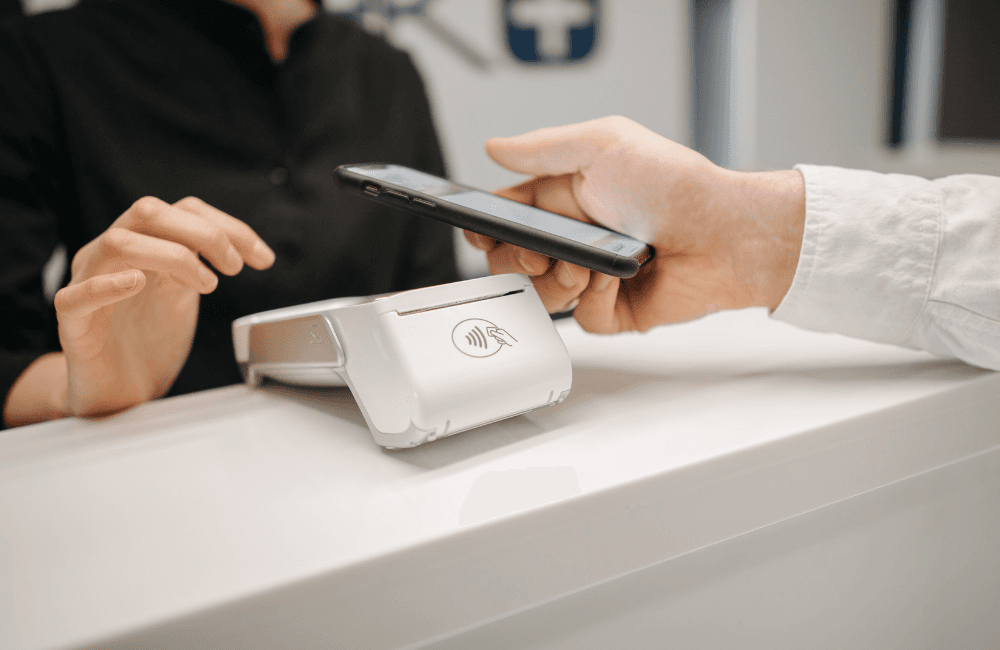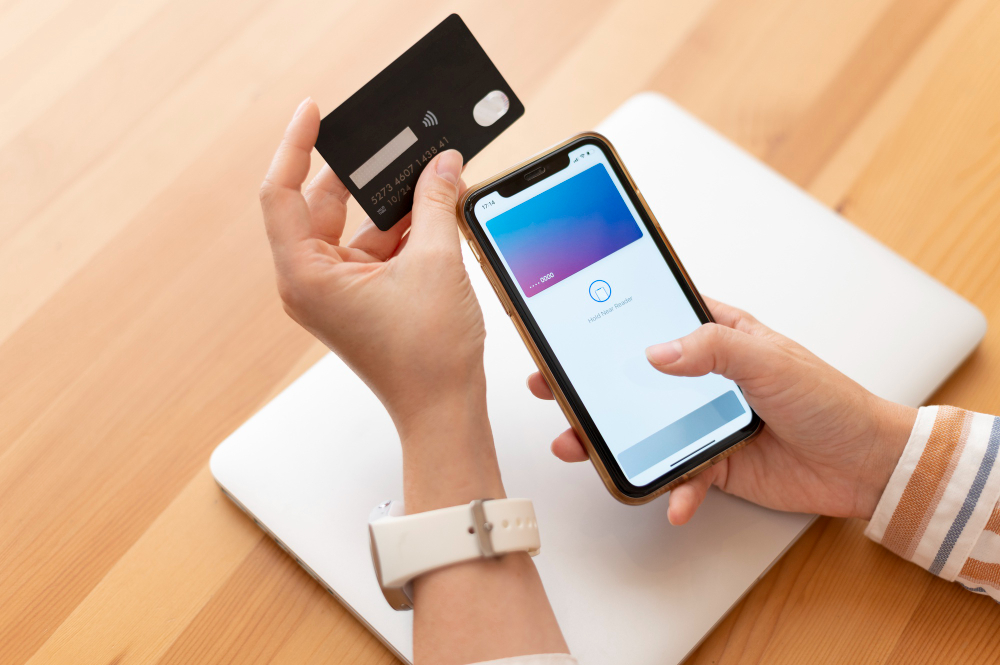
Lebanon's central bank has put its digital wallet sector on a formal regulatory footing for the first time. Banque du Liban issued Basic Circular No. 1 of 2026 in January, setting out licensing categories, fees and operating rules for electronic payment service providers, known as EPSPs.
The circular makes clear that the central bank wants the wallet and payments sector treated as part of the regulated financial system, not as an informal workaround. It arrives after more than six years of acute strain on Lebanese banks, during which digital wallets quietly took on a much larger share of everyday transactions and incoming remittances.
What the new licensing framework covers
According to The Fintech Times, the circular defines distinct licence categories for different types of payment activity, sets fee structures, and lays down operating conditions providers must meet to keep their authorisation. Reported details suggest the framework covers consumer wallets, merchant payment services and providers handling cross-border transfers.
By creating tiered licences, the regulator can hold larger operators to stricter capital and reporting standards while leaving room for smaller, niche players. That distinction matters in a market where some wallets have scaled into millions of transactions and others remain focused on specific corridors or customer segments.
The wallets that grew during the crisis
Two providers stand out under the new regime. MyMonty, a Lebanese fintech that offers digital wallet and card services, is reported to have expanded its remittance reach during the crisis years. PinPay, one of Lebanon's earliest mobile payment platforms, has long handled bill payments, transfers and merchant flows for local users.
Both companies are reported to be among the operators now formally licensed under the new circular. Other smaller wallets have also moved through the process, although BDL has not published a public list of all licensed EPSPs at the time of writing.
Why remittances sit at the centre of this
Lebanon receives billions of dollars in remittances every year. After the October 2019 banking crisis, the formal banking system became unreliable for many of those transfers, with capital controls and informal haircuts reducing what recipients could withdraw in foreign currency. Digital wallets and licensed money transfer operators absorbed a growing share of those flows.
By formalising wallets, BDL gains visibility into transaction volumes and counterparties that previously sat outside its direct oversight. For users, the practical change is more modest but meaningful: providers operating with a clear licence are subject to defined consumer protection rules, dispute processes and reporting obligations.
Where this leaves the broader fintech sector
The circular does not address every part of fintech. Lending, crypto trading and open banking are not covered by the EPSP framework and remain in a more uncertain space under existing rules. Industry voices in Beirut have been pushing for a wider regulatory update that would address those gaps, particularly around stablecoin-based remittances that have reportedly grown through informal channels.
For now, the wallet and payments sub-sector has a clearer rulebook than at any point since 2019. The next test is enforcement, specifically how strictly BDL audits licensed providers and whether the circular nudges unlicensed operators either out of the market or into compliance.