Economy
Macroeconomic coverage focused on Lebanon and the MENA region—growth, inflation, currency, employment, public finance, and major institutions such as the IMF and World Bank.

A $100 Billion Economy Is Within Lebanon's Reach
Amer Bisat says GDP of $30 to $33 billion could triple, but only with political, security, and economic reform.
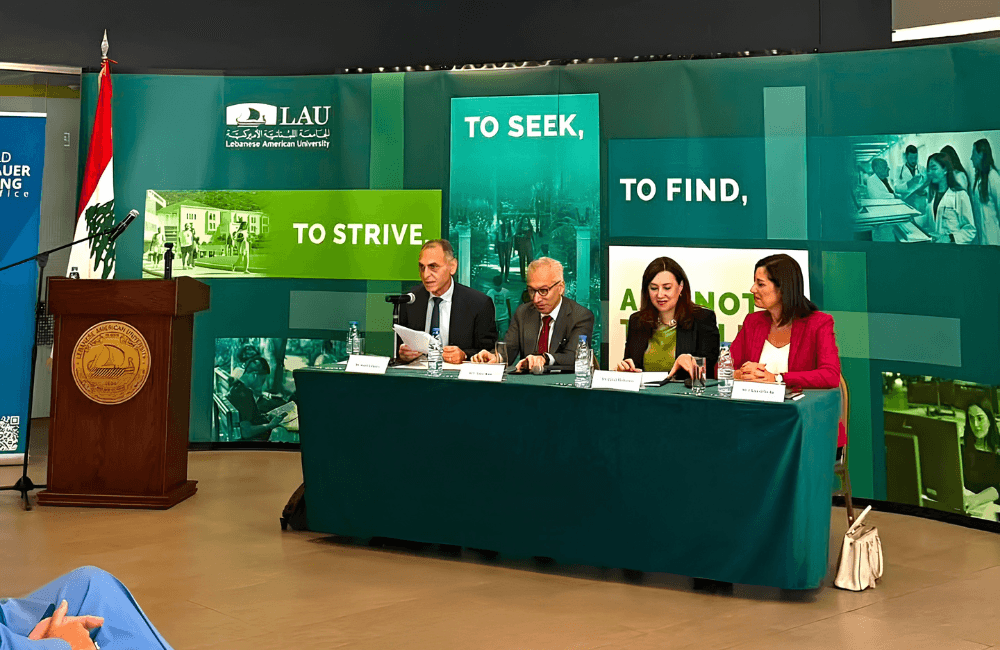
Lebanon's Minister of Economy and Trade Amer Bisat told an LAU seminar that the economy could reach about $100 billion with the right use of its resources. He linked growth to state sovereignty, sector reforms, and better use of human capital and the diaspora.
Lebanon Salaries vs Dubai, London and New York: 23 Roles Priced in 2026
OEG Outsourcing prices the same job in four markets and marks every Lebanese figure the country does not publish.
A sponsored benchmark by OEG Outsourcing compares monthly gross pay for 23 roles in Lebanon, the Gulf, the UK and Europe, and the US and Canada. It argues the gap reflects where the employer sits rather than skill, and flags eight Lebanese roles with no published wage data.

$60 Million in Lebanon's 2027 Draft Budget to Restart Housing Loans
Dollar loans of up to $100,000 at 3.5% are proposed for first-time owners, pending Parliament's approval.
Lebanon's draft 2027 budget allocates $60 million to the Public Corporation for Housing to resume home loans. The proposed loans would reach $100,000 in US dollars at a 3.5% rate, limited to applicants who do not already own a home.

Lebanon's Banks Hold $100.42B in Assets as Resident Lending Falls Further
Three quarters of the sector's assets now sit at the central bank, while loans to residents dropped 7.79% in a year.
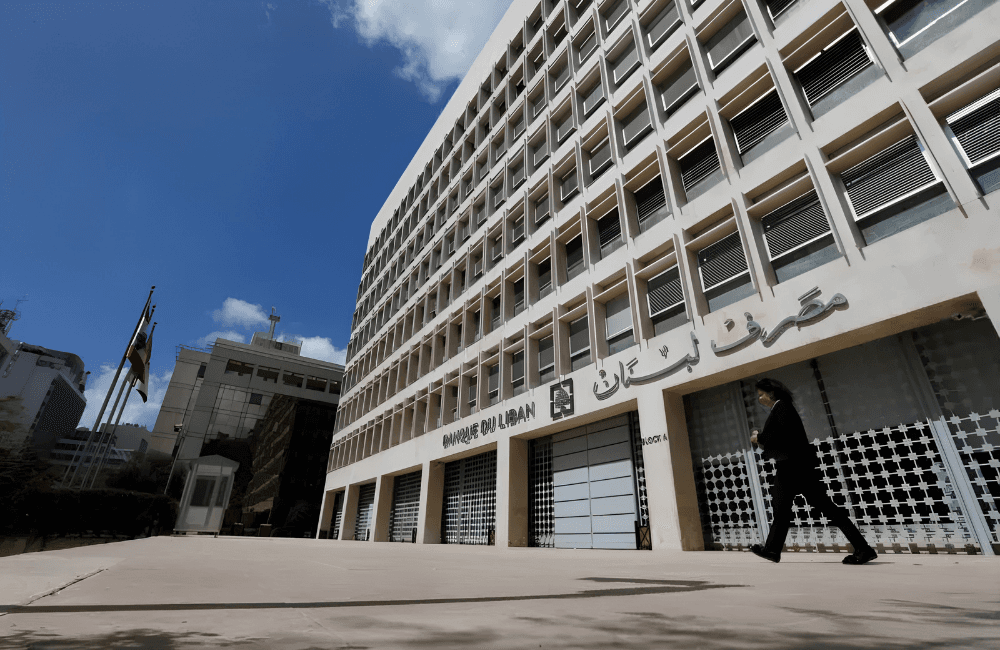
Lebanon's commercial banks closed July 2026 with $100.42 billion in consolidated assets, a 2.18% decline from a year earlier, according to data analyzed by BLOMInvest Bank. Deposits parked at Banque du Liban made up almost 75% of the total, while claims on resident customers fell to $4.1 billion. Capital accounts were the one major account to grow, rising 12.59% year on year to $5.4 billion.

Lebanon's Card Count Grew 0.8% While POS Terminals Jumped 22.6%
New BDL data shows debit cards carried almost all the growth while prepaid cards lost nearly 60,000 in six months.
Banque du Liban data shows Lebanon ended June 2026 with 1,727,765 payment cards, a rise of 0.80% since December 2025. The headline number hides a sharp shift in the mix, with debit and charge cards growing while prepaid cards fell 16.60%. Point of sale terminals expanded far faster than cards, adding 5,053 units in six months.
Lebanon Caps Card Fees at 1.2% as Electronic Payments Climb
Banque du Liban and the ministries cut merchant commissions from about 2.5% to a maximum of 1.2% in essential sectors.
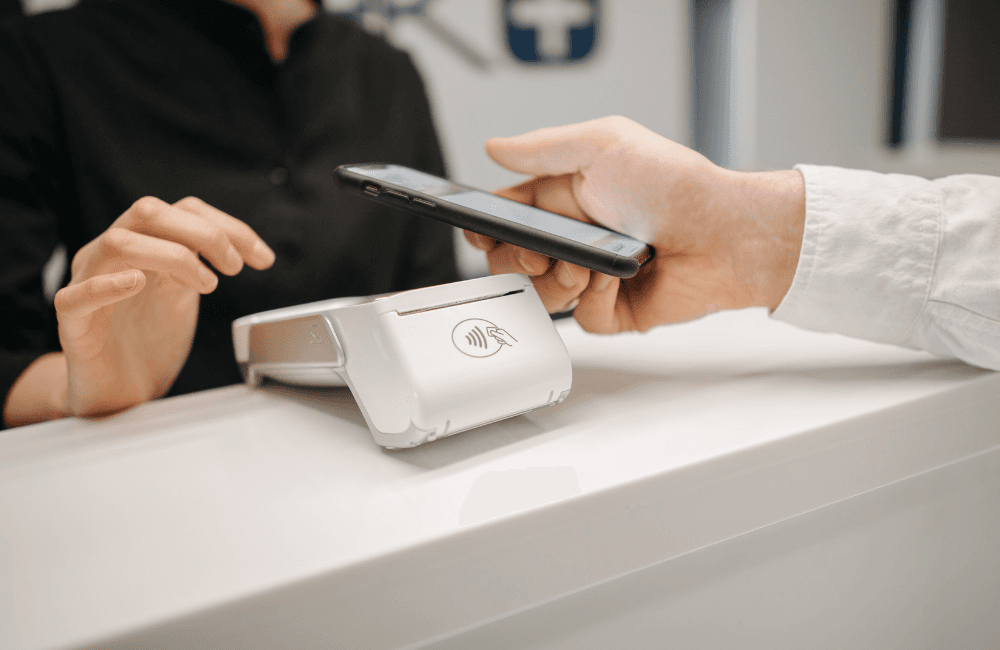
Lebanon is pushing to shrink its cash economy through central bank circulars, lower merchant commissions and card terminals inside government offices. Ministry of Economy figures show electronic payment shares more than doubling at restaurants and large supermarkets, with online payments now above half of transactions.
Fresh Dollar Checks in Lebanon Near $1 Billion Mark by July 2026
ABL data shows 76,180 fresh USD checks worth $960.7M cleared since BDL opened the new system in 2023.
Association of Banks in Lebanon figures show 76,180 fresh US dollar checks worth $960.7 million and 28,258 fresh Lebanese pound checks cleared by July 2026. Checks in the legacy clearing system fell more than 35% year on year, while returned checks dropped nearly 43%.
Decision 13837 Replaces 25 Years of Lebanon's Exchange House Rules
Banque du Liban has scrapped six circulars and set new capital, ownership, compliance and hawala requirements.
Banque du Liban has issued Basic Decision No. 13837, a full rewrite of the rules for licensing and operating exchange institutions in Lebanon. It creates four licence categories with minimum capital from 10 billion to 100 billion Lebanese pounds, tightens ownership and compliance conditions, and brings hawala transfers and cross border cash shipping under one text. Institutions licensed before the decision have one year to comply.