Economy
Page 2 / 7Macroeconomic coverage focused on Lebanon and the MENA region—growth, inflation, currency, employment, public finance, and major institutions such as the IMF and World Bank.
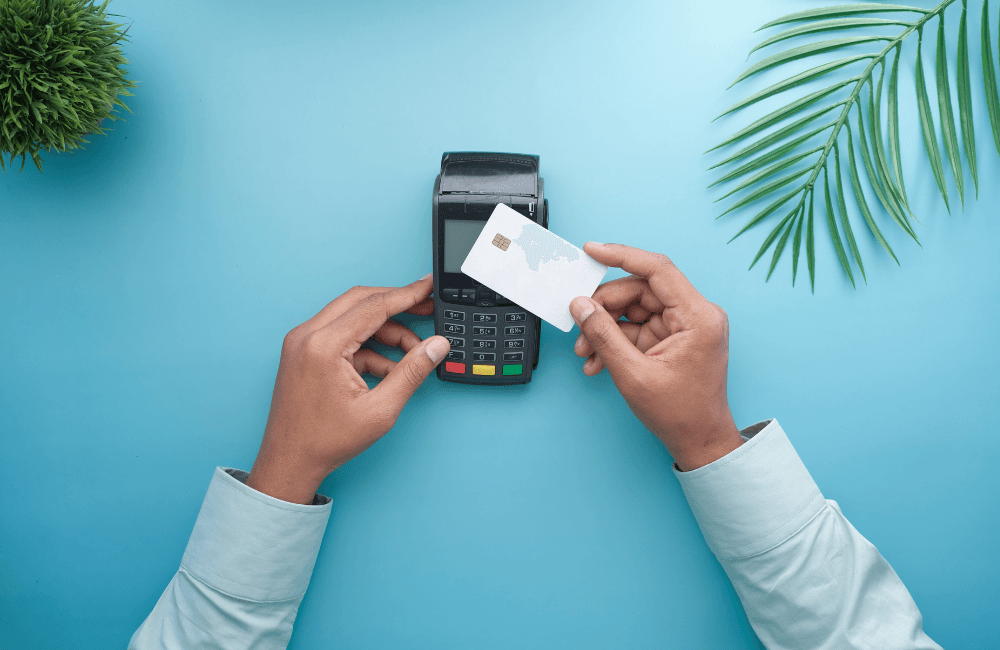
Lebanon's Card Count Grew 0.8% While POS Terminals Jumped 22.6%
New BDL data shows debit cards carried almost all the growth while prepaid cards lost nearly 60,000 in six months.
Banque du Liban data shows Lebanon ended June 2026 with 1,727,765 payment cards, a rise of 0.80% since December 2025. The headline number hides a sharp shift in the mix, with debit and charge cards growing while prepaid cards fell 16.60%. Point of sale terminals expanded far faster than cards, adding 5,053 units in six months.
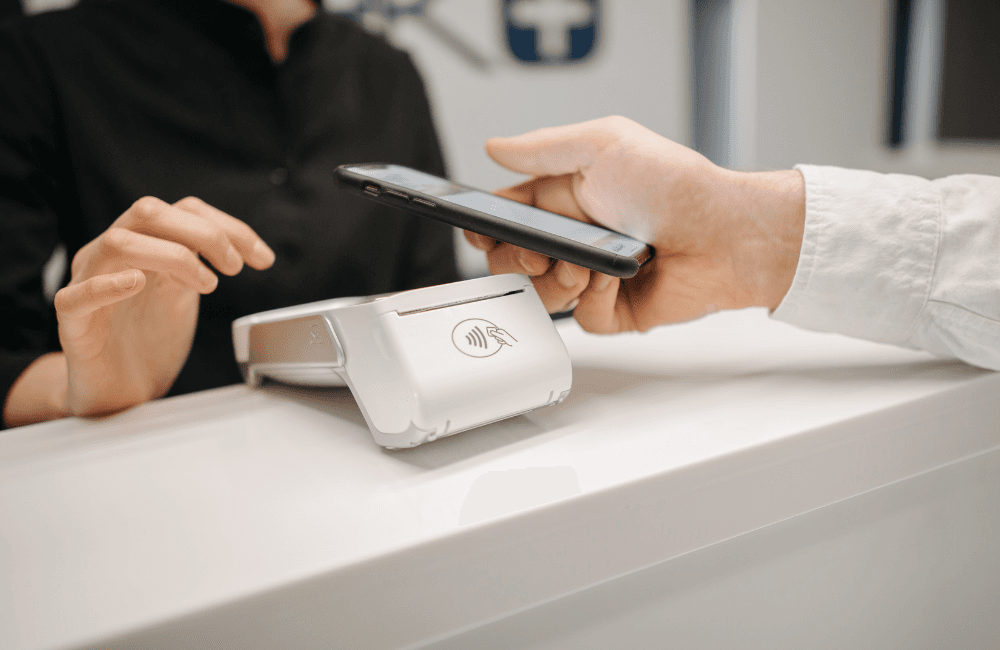
Lebanon Caps Card Fees at 1.2% as Electronic Payments Climb
Banque du Liban and the ministries cut merchant commissions from about 2.5% to a maximum of 1.2% in essential sectors.
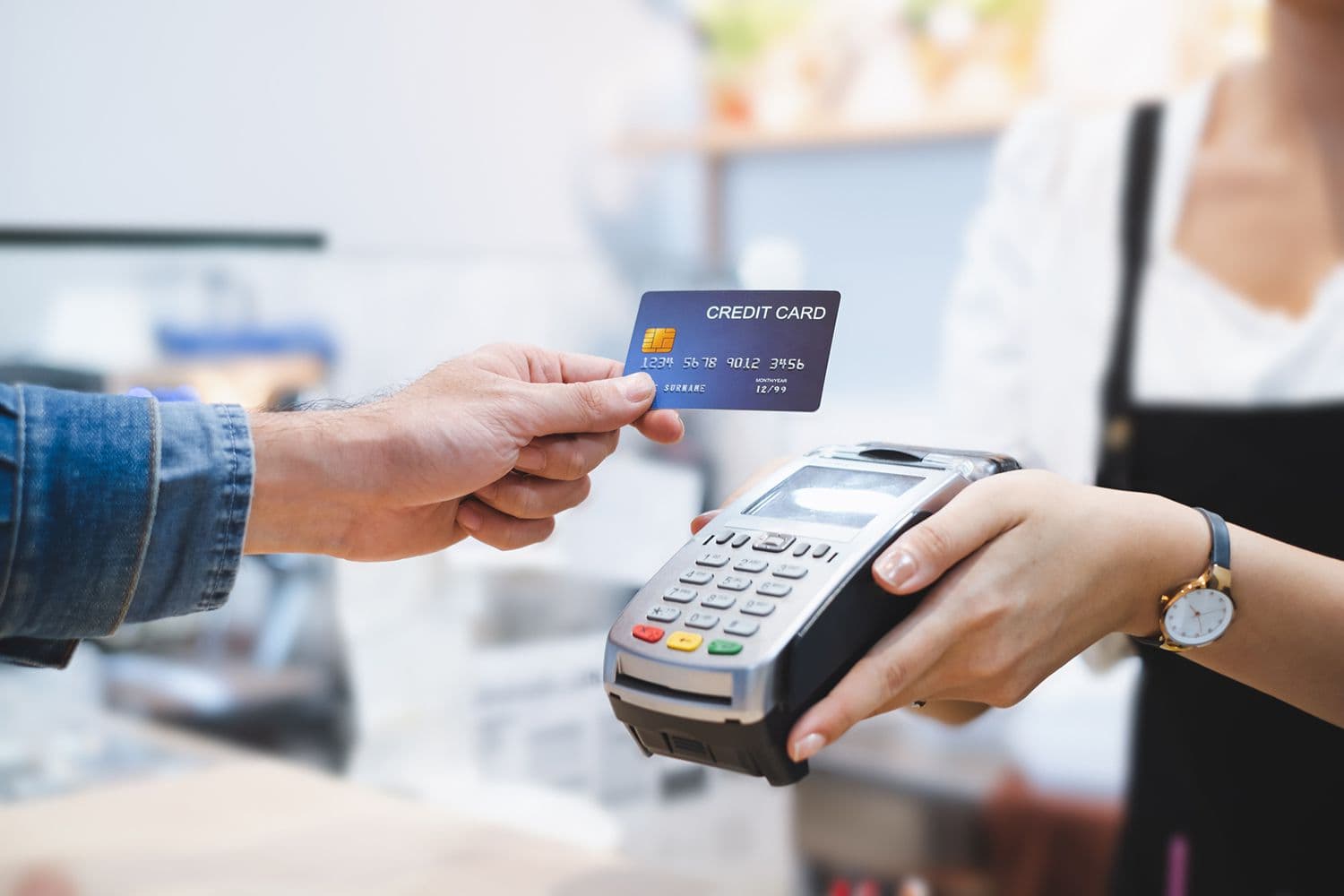
Lebanon is pushing to shrink its cash economy through central bank circulars, lower merchant commissions and card terminals inside government offices. Ministry of Economy figures show electronic payment shares more than doubling at restaurants and large supermarkets, with online payments now above half of transactions.
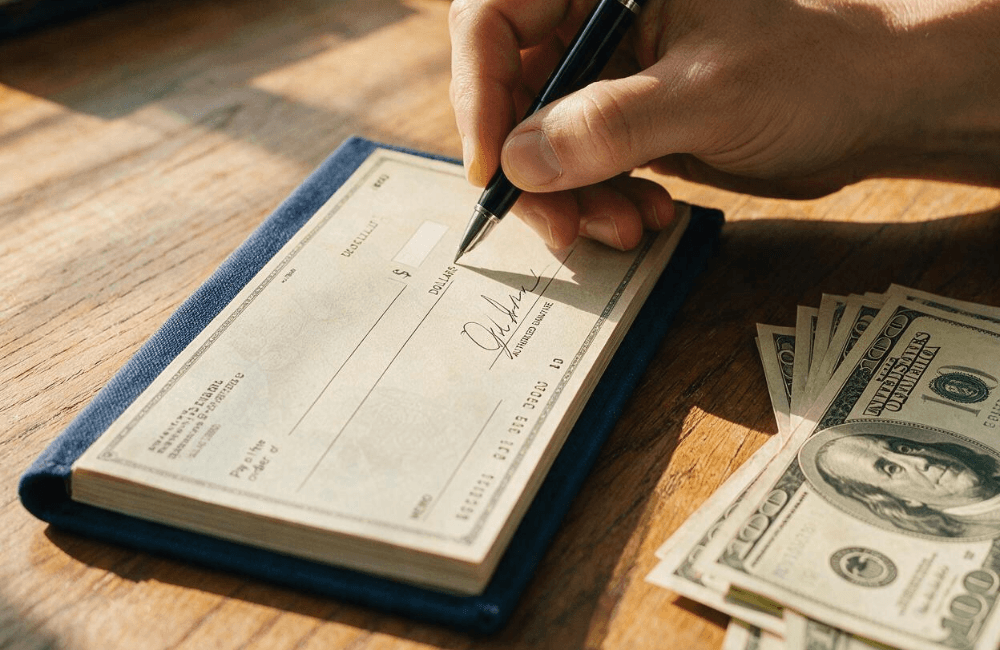
Fresh Dollar Checks in Lebanon Near $1 Billion Mark by July 2026
ABL data shows 76,180 fresh USD checks worth $960.7M cleared since BDL opened the new system in 2023.
Association of Banks in Lebanon figures show 76,180 fresh US dollar checks worth $960.7 million and 28,258 fresh Lebanese pound checks cleared by July 2026. Checks in the legacy clearing system fell more than 35% year on year, while returned checks dropped nearly 43%.
Decision 13837 Replaces 25 Years of Lebanon's Exchange House Rules
Banque du Liban has scrapped six circulars and set new capital, ownership, compliance and hawala requirements.
Banque du Liban has issued Basic Decision No. 13837, a full rewrite of the rules for licensing and operating exchange institutions in Lebanon. It creates four licence categories with minimum capital from 10 billion to 100 billion Lebanese pounds, tightens ownership and compliance conditions, and brings hawala transfers and cross border cash shipping under one text. Institutions licensed before the decision have one year to comply.
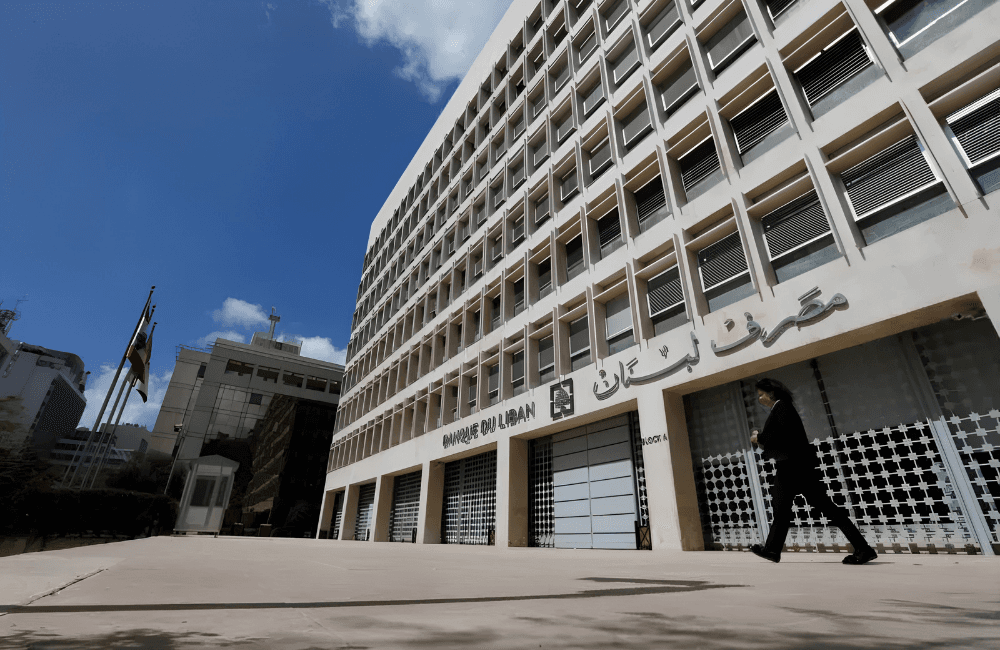
Emirati capital moves early on Lebanon as non-oil trade reaches $4.2 billion
Emirati executives argue the time to enter Lebanon is before the recovery, not after it.
A UAE business delegation spent two days in Beirut for the Lebanese-Emirati Economic Forum, signing five memorandums of understanding and holding the first meeting of a new joint business council. Non-oil trade between the two countries reached $4.2 billion in 2025. Infrastructure and digitization were discussed but produced no agreements.
LAU Study Ties NSSF Coverage to a 24% Higher Chance of Wage Jobs
Based on 2019 national labor data, the study links public insurance to formal jobs and leaves informal workers exposed.
A new study from the Lebanese American University examines how social security coverage relates to the type of work Lebanese people hold. Drawing on 2019 national labor data, it finds that National Social Security Fund enrollment is closely tied to wage employment, while the self-employed and small-firm workers often fall outside formal protection.

Lebanon Bans Heavy Trucks From Roads During Weekend Rush Hours
Decision No. 791 keeps trucks over 7.5 tons off main roads on Friday and Sunday evenings to ease weekend traffic.
Lebanon's Interior Ministry has issued a decision restricting trucks heavier than 7.5 tons from driving on major roads during peak weekend hours. The rule sets specific blackout windows on Fridays and Sundays, with exemptions for fuel, food, medical, and emergency vehicles. It also adds new lane and safety rules for the trucks still allowed on the road.
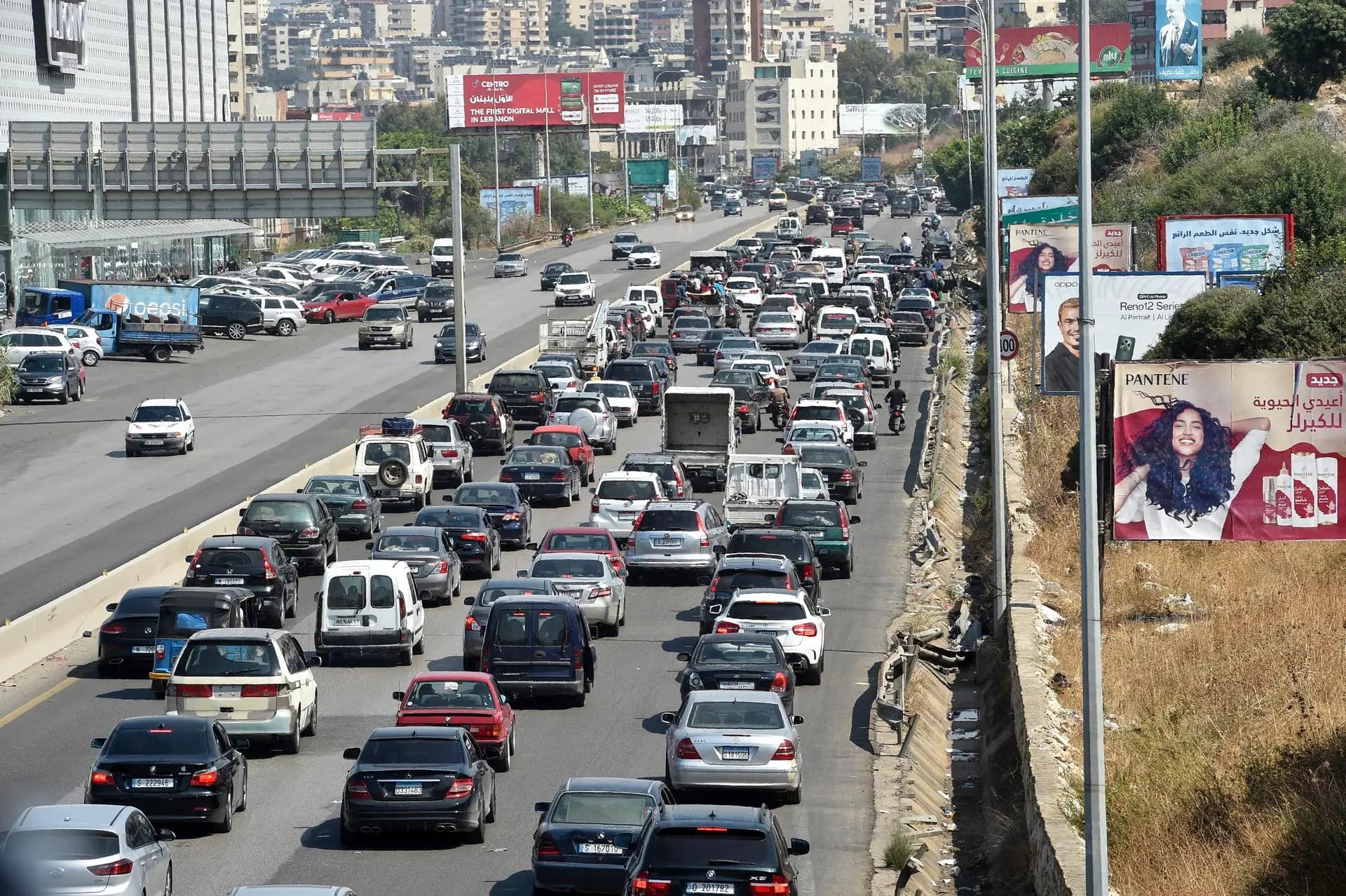
Lebanon Ties Driving School Fees to a Mandatory Skill Test
New Ministry of Interior rules cap what schools can charge and link the total bill to how much training you need.
Lebanon's Ministry of Interior has issued Decision No. 825, setting a unified fee structure for driving schools nationwide. The bill is now tied to a mandatory skill evaluation that sorts students into five levels, with total package caps ranging from 11.25 million to nearly 23 million pounds. The decision also puts limits on paperwork and transport fees that schools previously priced on their own.

Lebanon Nears Electricity Import Deal With Syria
Energy Minister Joe Saddi says a contract to bring Syrian power into Lebanon's grid is almost ready.
Lebanon's Ministry of Energy and Water says it is close to signing a contract to import electricity from Syria, though the volume has not been set. The reported deal comes as Beirut and Damascus rebuild ties.
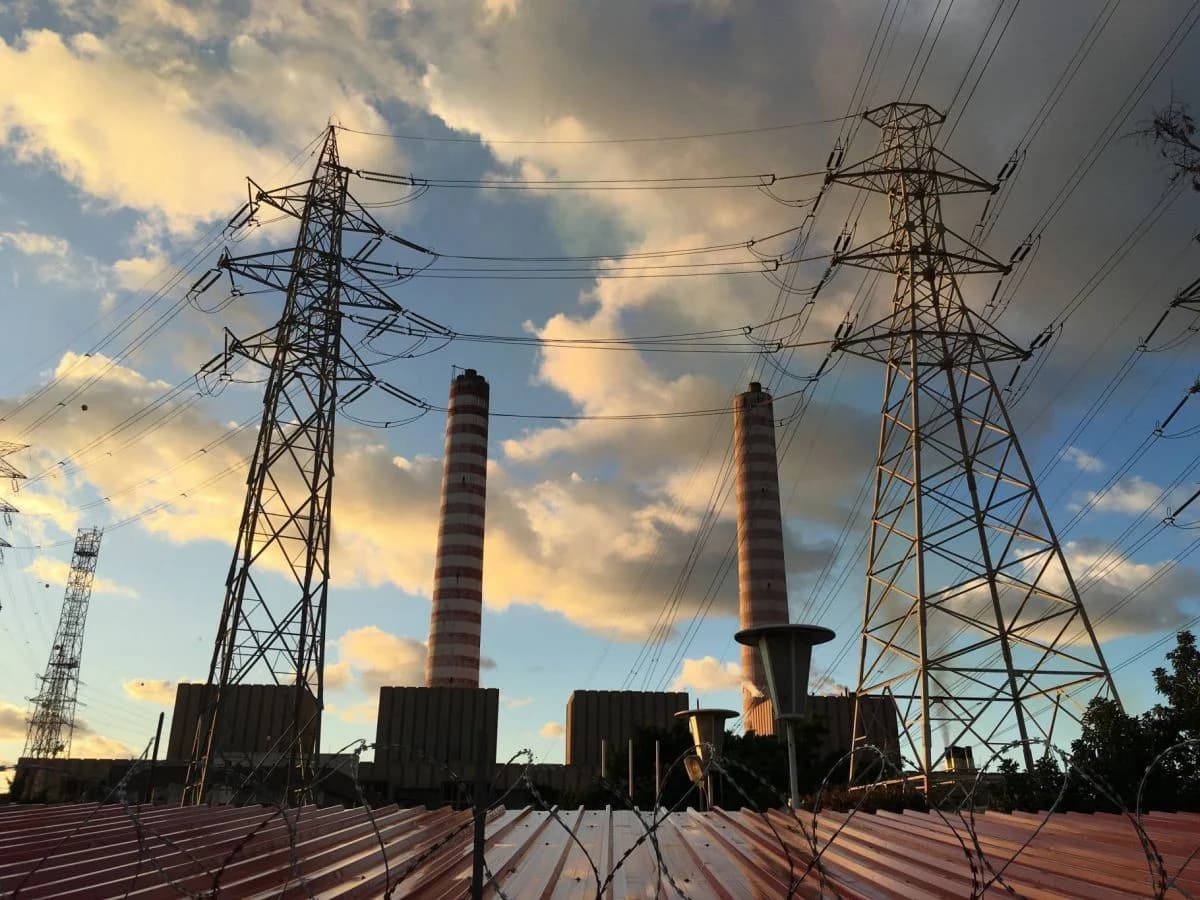
Lebanon Ranked 2nd Regionally for Average Internet Cost at $14.23 a Month
A global study of 214 countries places Lebanon second in the Arab world for broadband cost, at $14.23 a month.
Broadband Genie's 2026 Global Broadband Price League compared fixed-line broadband prices across 214 countries. Lebanon placed 15th worldwide and second among Arab countries, behind Egypt, at an average of $14.23 per month. The figures measure the dollar price of a plan and do not account for local incomes.

Payment Cards in Lebanon Slip to 1.70 Million as Prepaid Use Fades
BDL data shows prepaid cards fell 13.47% in four months while POS terminals jumped 17.91%.
BDL statistics show the number of payment cards in Lebanon fell 0.99% in the first four months of 2026 to 1,697,090. Prepaid cards drove the decline, while debit and charge cards grew and the POS network expanded by nearly 18%.
Lebanese Bank Capital Up 23% in a Year While Deposits Keep Shrinking
BDL data show commercial bank equity at LBP 446.67 trillion in May 2026 as deposits and lending both contract.
Banque du Liban statistics for May 2026 show the capital accounts of Lebanon's commercial banks rising 1.39% since December to LBP 446.67 trillion. Customer deposits fell to LBP 7,750.19 trillion and the deposit dollarization rate reached 98.76%.