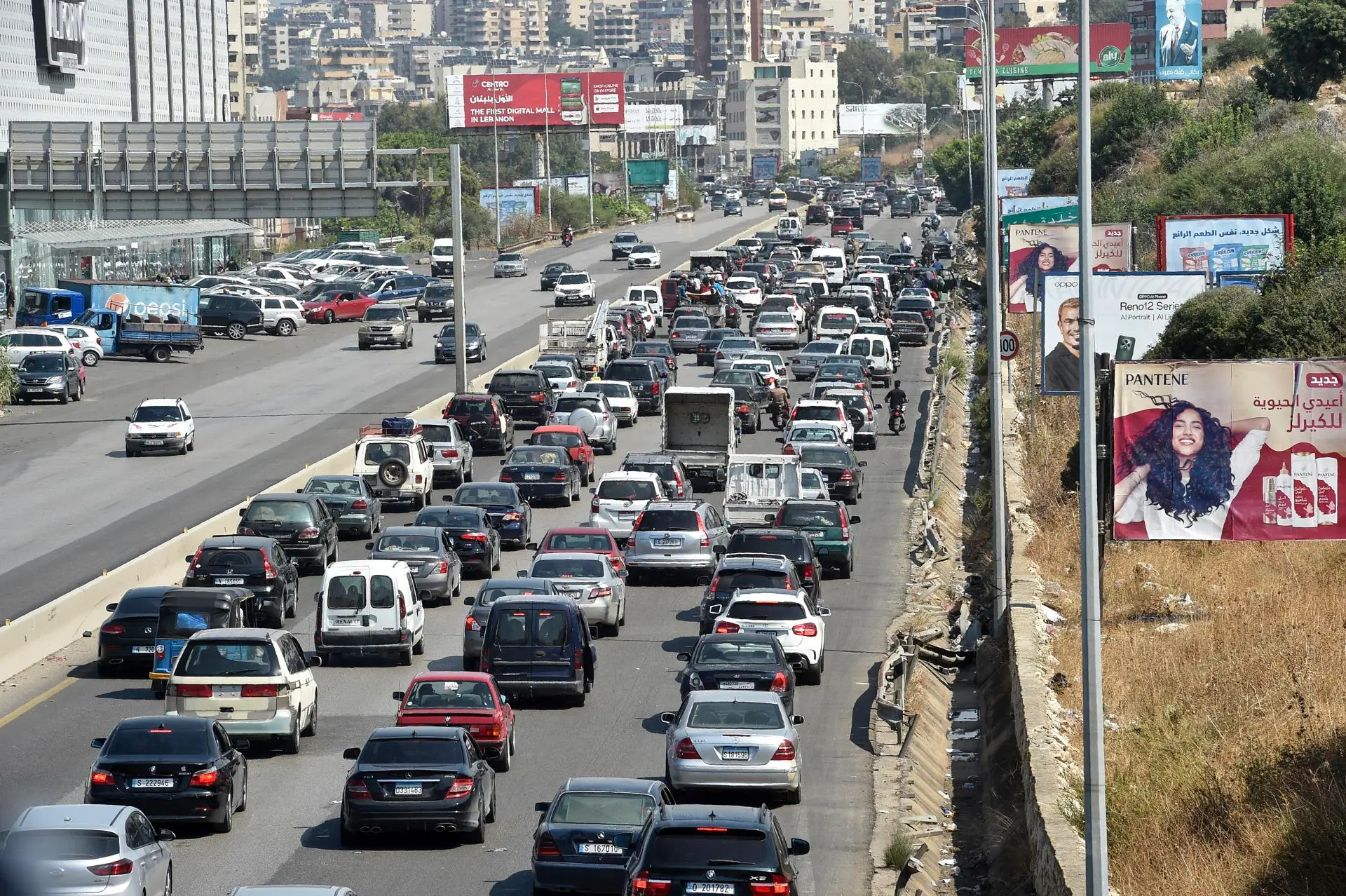
Weekend drivers heading to Lebanon's mountains or coast should notice fewer heavy trucks slowing them down. The Ministry of Interior and Municipalities has issued Decision No. 791, which keeps large trucks off the country's busiest roads during peak weekend hours.
The decision was signed by Interior Minister Ahmad al-Hajjar and dated July 2, 2026. It targets the exact hours when families leave Beirut for the weekend and drive back on Sunday night, when the coastal highway and mountain roads are at their most jammed.
The Friday and Sunday Windows
Any truck with a gross weight above 7.5 tons is banned from all international, main, and secondary roads during two set periods each week.
On Fridays, the ban runs from 2:00 PM until midnight. On Sundays it starts later, from 3:00 PM until midnight. Outside these windows, heavy trucks can use the roads as normal.
Who Can Still Drive
To avoid cutting off essential supplies, the ministry exempted a long list of vehicles. Military, fire, ambulance, and civil defense vehicles are not affected by the ban.
Trucks carrying fuel, gas, and drinking water can keep moving, along with those transporting livestock, grain, wheat, barley, corn, and flour. Refrigerated trucks and containers carrying fresh produce, meat, or medicine are also exempt.
The list extends to construction supply vehicles. Liquid concrete mixers, concrete pumps, and asphalt trucks can operate during the restricted hours.
More Power for Governors and Municipalities
The decision gives regional governors the authority to set their own timing rules for commercial deliveries and garbage collection. This is aimed at crowded city streets and the areas around schools, universities, and hospitals.
Local municipalities now have to mark out parking areas where truck drivers can rest and wait safely until the ban lifts. The point is to stop stranded trucks from clogging roads while their drivers wait for the windows to pass.
Stricter Rules on the Road
Beyond scheduling, the decision tightens how trucks behave when they are allowed to drive. Drivers must stay in the right-most lane, and overtaking is banned except in extreme emergencies.
They also have to respect legal speed limits and weight capacities, and any open truck bed carrying loose material such as sand or gravel must be securely covered. Security forces can still let trucks through during restricted hours, but only when it is coordinated with the General Directorate's operations room and does not compromise public safety.
For commuters, the takeaway is easy to remember. Friday afternoons after 2:00 PM and Sunday evenings after 3:00 PM should now be clearer of heavy trucks on the roads out of and into Beirut.