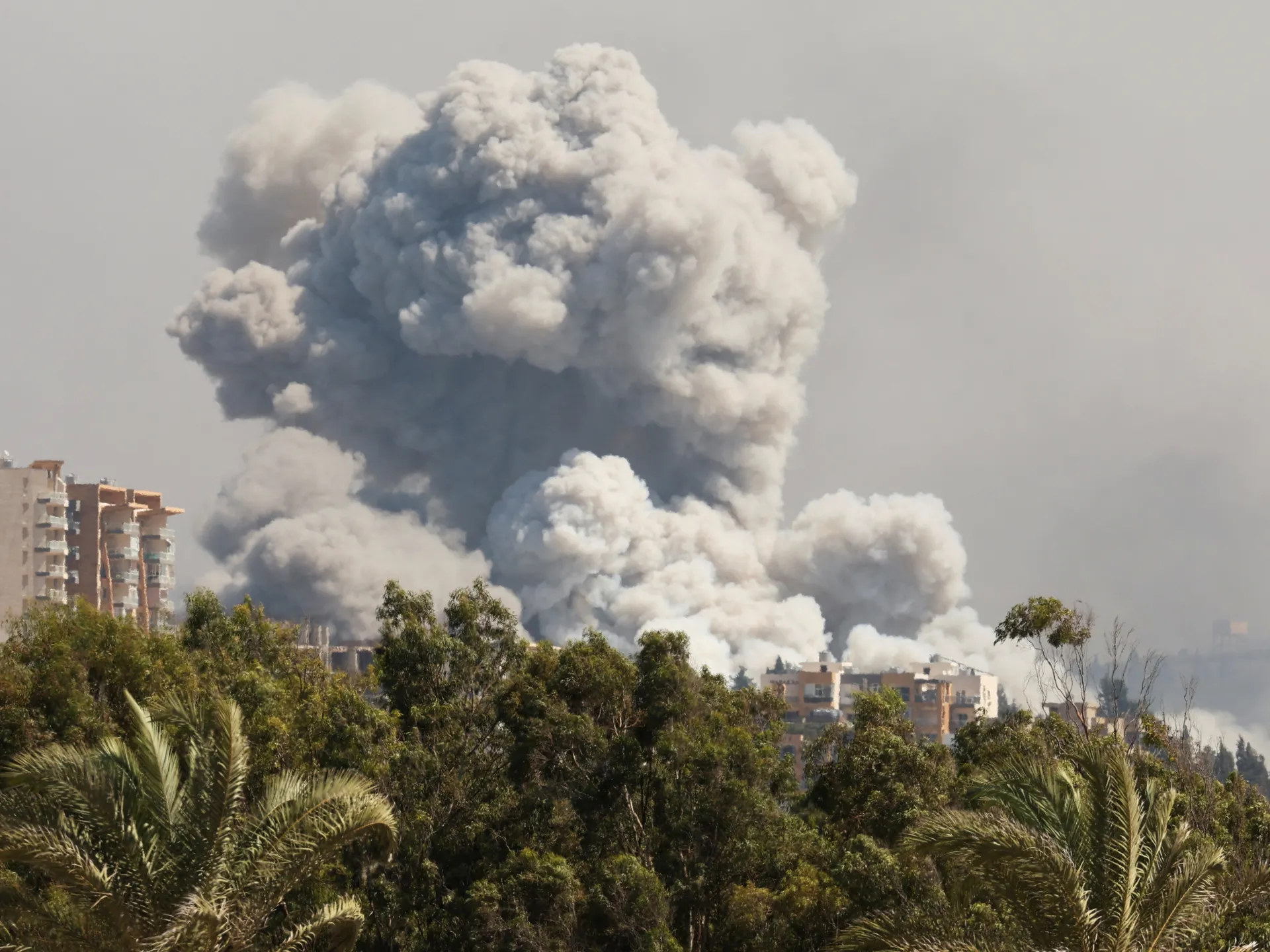
Lebanon’s most frequently cited “daily loss” estimate during active hostilities currently ranges between $60 million and $80 million per day, based on Lebanese press coverage attributing the figure to the Ministry of Economy and Trade.
In parallel, other coverage quotes business representatives and economists using a higher number around $100 million per day, usually framed as a broader “impact” estimate rather than a narrow, ministry-style operational reading of day-to-day activity.
The key point is that these figures are often used interchangeably in public conversation, but they do not always measure the same thing.
What the “daily loss” estimate usually captures
When officials and business groups talk about daily economic losses during hostilities, they are typically referring to near-term disruption in the real economy.
That usually includes reduced commercial activity across retail and services, slower or interrupted imports and production, and weaker household spending as mobility drops and uncertainty rises.
In practice, this is the “economy running below normal” cost—lost turnover, lost working days, and stalled transactions across sectors that depend on movement and confidence.
What it often excludes
Daily loss estimates are commonly cited before adding the cost of physical damage such as destroyed homes, damaged infrastructure, factory losses, or agricultural damage, which tend to be assessed separately through damage-and-loss frameworks.
A useful reference point is the World Bank’s post-conflict assessments, which separate physical damage from economic losses over a defined period, producing totals that are not directly comparable to a single-day estimate.
Why some estimates are higher
The higher “around $100 million per day” figure appears in coverage that treats the impact as a wider package—combining reduced economic activity with additional costs that emerge during conflict, such as displacement-related pressures and broader disruption to tourism and commerce.
In other words, the lower range is usually closer to an operational “activity loss” estimate, while the higher figure tends to capture a wider shock profile.
Bottom line
The most-cited operational range in local reporting remains $60–$80 million per day during active hostilities, but readers should treat it as a measure of immediate economic slowdown, not a complete accounting of war costs. Broader “impact” estimates around $100 million per day reflect a wider definition of losses and disruption.