AI & Tech
Page 4 / 5Technology shaping business: AI, fintech, SaaS, cybersecurity, product innovation, and digital transformation.
Anthropic Releases Claude Opus 4.7 With Coding and Vision Upgrades
The latest model targets long-horizon software engineering and higher-resolution image understanding.
Anthropic has released Claude Opus 4.7, a new frontier model focused on long-horizon software engineering and higher-resolution vision. The update reshuffles several AI benchmark standings and expands what Claude can do across coding and design workflows.

AI Cyber Fears Reach Global Banking as Regulators Scramble to Assess New Models
Anthropic’s Mythos model has intensified concerns across central banks, regulators, and lenders, as officials weigh how advanced AI could expose cyber weaknesses across the financial system.
A new generation of cyber-capable AI models is forcing banking regulators and major lenders to reassess digital risk. Anthropic’s Mythos, which the company says has identified thousands of serious software vulnerabilities, has triggered responses across the UK, Europe, and the US as officials move to gauge the threat to financial stability.

How Whish, Purpl, and Crypto Rewired Lebanon's Payment System
With banks still broken, digital wallets and crypto rails have become Lebanon's default financial infrastructure.
Lebanon's traditional banking system remains paralyzed nearly seven years into the financial crisis. Digital wallets, remittance aggregators, and crypto rails have quietly become the default way the country moves money. Regulators are now starting to catch up.

Anthropic's Reported App Builder Puts Lovable in a Difficult Spot
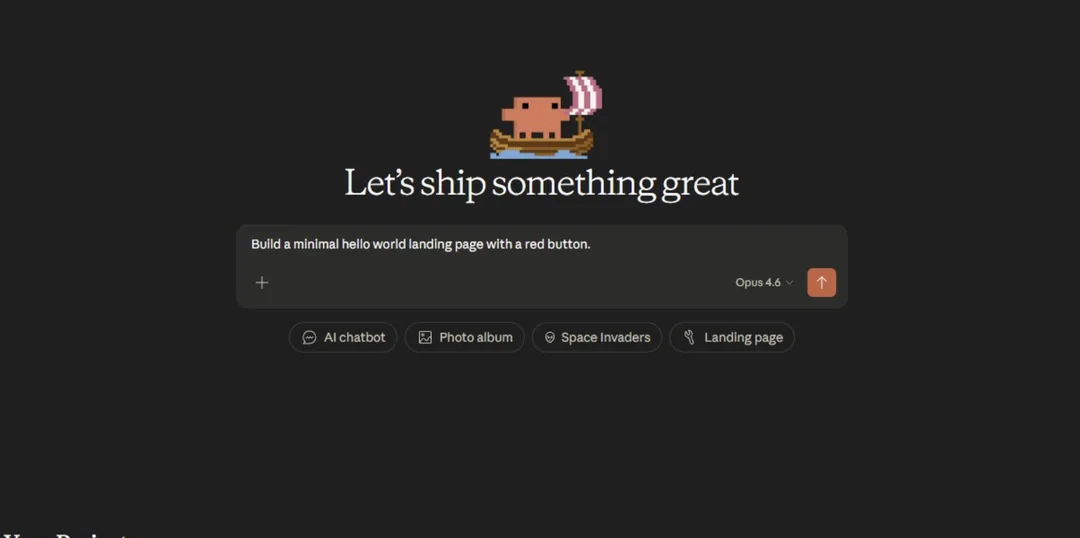
Leaked screenshots suggest Claude may soon let users build full applications natively, without a third-party tool.
Leaked screenshots suggest Anthropic is building a full application development environment inside Claude, with features covering databases, authentication, storage, and more. This puts Lovable, one of the leading vibe-coding platforms and a product that runs on Claude itself, in a difficult competitive position. The situation raises a fundamental question about the risks of building a business on top of a foundational AI model provider.
Apple Maps in Lebanon: Why Missing Villages Reflect Data Gaps, Not Deliberate Erasure
Viral claims of “erased” locations overlook how mapping platforms build coverage and why gaps persist in less-surveyed regions
Recent social media claims suggest Apple Maps removed Lebanese villages from its platform. A closer look at how digital maps are built shows no evidence of targeted deletion, but rather longstanding coverage limitations tied to Apple’s data model and regional rollout.

Will AI Make You Less Intelligent? What Science Says About Cognitive Decline
New research from MIT suggests heavy reliance on AI tools like ChatGPT may reduce brain activity linked to creativity and memory
A recent MIT study raises concerns about how artificial intelligence tools may affect human thinking. While AI boosts productivity, early evidence suggests it could weaken critical cognitive functions if overused.

10 College Degrees That Are Losing Their Value in the Age of AI
The job market is being automated faster than universities can update their syllabuses. Here is where the value moved.
Goldman Sachs estimates 300 million jobs globally are exposed to AI automation. These 10 college degrees train graduates for the exact layer of work AI absorbs first — the repeatable, the rule-based, and the routine. Here is what the data says, and where the value inside each discipline still lives.
Why Nokia Lost Its Dominance and Where It Stands Now
Nokia did not collapse because it lacked scale, talent, or cash. It lost the smartphone era because it misread the market’s center of gravity, clung to weak software, and backed the wrong ecosystem. Nearly two decades later, the company still exists, but it looks nothing like the handset giant that once defined the mobile industry.
Nokia once dominated the global mobile phone market with about 40% share at its peak in 2007. Then Apple, Android, and the app economy rewrote the industry. This analysis explains why Nokia lost its edge, how the Microsoft bet accelerated its decline, and where Nokia is now as a telecom infrastructure and licensing company rather than a consumer phone powerhouse.

Replit raises $400M at a $9B valuation as AI coding demand drives another funding leap
The Series D was led by Georgian Partners and follows a $250M round at a $3B valuation six months earlier, as Replit pushes deeper into prompt to production workflows.
Replit has raised $400 million in a Series D round at a $9 billion valuation, led by Georgian Partners. The financing comes about six months after the company raised $250 million at a $3 billion valuation, reflecting strong investor appetite for AI driven software creation tools. Investors joining the round include major venture firms and strategic backers, with Replit positioning the capital to expand its agent based product roadmap and enterprise capabilities.
Why Claude is winning developers in 2026
Claude is leading on human preference rankings, scoring strongly on software engineering benchmarks, and shipping a developer workflow that feels closer to a teammate than a chatbot.
Claude’s momentum with developers in 2026 is not just about model quality. It is about consistent performance in human preference rankings, strong results on coding benchmarks, and a product workflow that supports long-context codebases, agent-style task execution, and team governance. This article uses Arena rankings, SWE-bench context, and real product workflow signals to explain why developers are choosing Claude, and how businesses should pick the right tool for their needs.

UAE Dirham Symbol Wins Unicode Approval, Opening Path to Keyboards
The new dirham sign is set for Unicode 18.0 in September 2026, but device support will depend on software updates from tech companies.
The UAE dirham symbol has been approved for inclusion in Unicode 18.0, a move that could eventually bring the sign to computer and smartphone keyboards. The approval marks a major step in digital adoption, though actual availability will depend on how quickly major platforms implement the new Unicode standard.

Global Islamic Fintech Market Projected to Hit $341 Billion by 2029
Saudi Arabia and the UAE lead a 11.5% annual surge as the sector shifts from experimental pilots to institutional execution.
A new industry report projects global Islamic fintech transaction volumes will reach $341 billion by 2029. Driven by GCC reforms and digital asset innovation, the sector is outperforming the broader fintech market growth rate.