A 1972 Porsche 911T with its oil filler flap mounted on the outside of the body is not the kind of car you expect to find in a Beirut garage. According to Beirut.com, it is one of several rare classics that pass through the hands of Yahya Khaled, a Lebanese restoration specialist who works on private vintage collections in the capital.
Khaled is reported to focus on full restoration rather than quick cosmetic fixes. That means keeping original design details and mechanical parts intact while getting the car running again. It is slow, technical work, and the market for it in Lebanon is small and mostly private.
The Cars in His Lineup
The 1972 Porsche 911T is known among collectors as the Olklappe, named after the external oil filler flap that Porsche used for a short period only. That narrow production window is exactly what makes these early 911s valuable today.
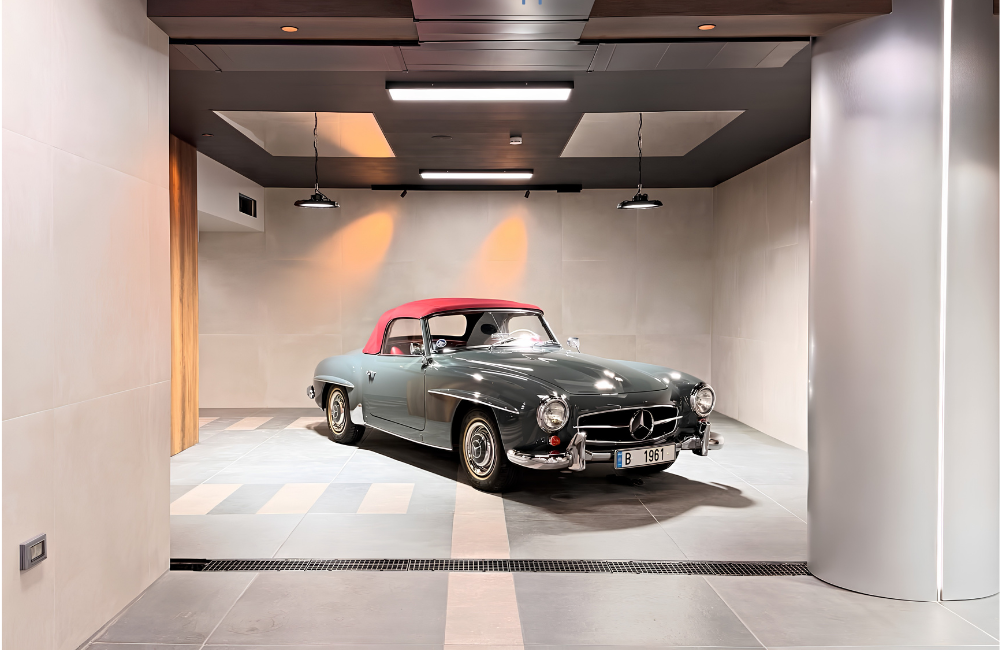
The lineup also includes a 1961 Jaguar E-Type, the British sports car that launched that same year and became one of the most recognizable shapes in automotive design. Alongside it sits a 1961 Mercedes-Benz 190 SL, a roadster with 1,509 examples built that year, and a 1982 Maserati Merak, a mid-engine Italian coupe with fewer than 2,000 examples produced in total.
Each car represents a different decade and a different national idea of what a sports car should be. Together they form the kind of small, tightly curated group that collectors assemble over years rather than months.
Why the Work Is Harder Than It Looks
Restoring a car of this age is a supply problem before it is a mechanical one. Parts for a Mercedes-Benz 190 SL or a Maserati Merak are not sitting on a shelf in Beirut, so they usually have to be sourced abroad, imported, and then fitted by someone who knows what the original specification looked like. Get one detail wrong, a mismatched trim piece or a modern replacement part, and the car loses value in the eyes of a serious buyer.
This is also why restoration is treated as preservation rather than repair. The goal is to return the car to the state it left the factory in, not to modernize it. Every correct part and finish is part of what the car is worth.
A Small Market That Keeps Running
Lebanon has a long-standing classic car community built around private collectors, informal clubs and a handful of specialists who keep older vehicles on the road. Economic conditions have made imports and spare parts expensive, which raises the cost of every restoration and narrows the number of people who can afford one. Work like Khaled's is part of what keeps these cars from being sold off, stripped for parts or left to sit.
Khaled's restorations are documented on the Instagram account drivingvintage.lb. The four cars in his reported lineup span 1961 to 1982, and they are a reminder of how much rare machinery is still parked behind closed doors in Beirut.