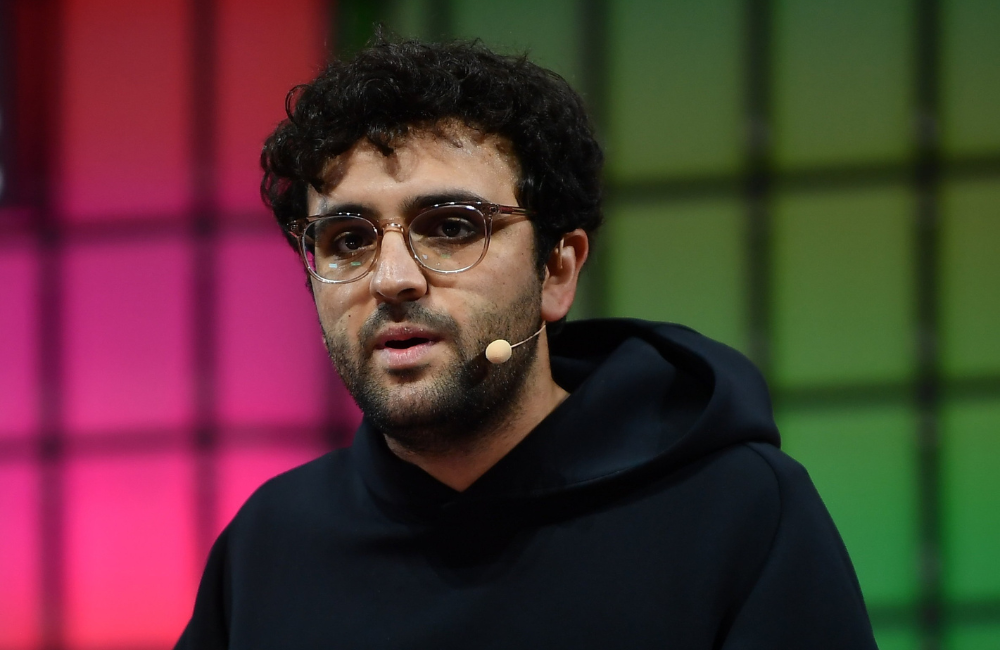
Tarek Mansour marked a big week for Kalshi with a short post on X. The prediction market he co-founded has raised an additional $1 billion, valuing the company at $40 billion. He followed the numbers with a line that landed with many Lebanese readers: "The odds of a kid from Lebanon getting here were pretty low."
A $1 billion round, five months after $22 billion
Sequoia Capital and Wellington Management co-led the round, with Tiger Global and Dragoneer also taking part. Kalshi was valued at $22 billion just five months earlier.
Mansour said the new money will help Kalshi expand into stocks, compute, indices and institutional trading. Activity on the platform surged around the FIFA World Cup, the NFL season and the US midterm elections, and the company has also secured a partnership with the NBA.
Eight years after Y Combinator
Mansour and Luana Lopes Lara, a fellow MIT graduate, founded Kalshi in 2018. In his post, Mansour noted that the raise landed a day before the eighth anniversary of their acceptance into Y Combinator, the startup program where the journey began.
Kalshi went on to become the first federally regulated event contracts exchange in America, a market where people trade on the outcome of real events. Along the way it signed partnerships with Robinhood and Coinbase.
Growing up in an unpredictable country
Mansour described his childhood in Lebanon as great but very challenging. He lived through war, saw bombs explode in front of his home and watched brilliant people's lives fall apart for reasons beyond their control.
"Lebanon is an unpredictable country," he wrote, adding that this made it hard to plan for success. Despite it all, his mother sacrificed everything to give him and his brother the chance to return to the United States.
Why math became his refuge
As a boy, Mansour found comfort in two things: anime and, above all, math. He wrote that math calmed him because it was the opposite of unpredictable. It was clear, orderly and consistent. "The proof is either right or wrong," he wrote. "I find that elegant and beautiful."
Today, the boy who looked for certainty in numbers runs a market built on pricing uncertainty, and investors now value it at $40 billion.