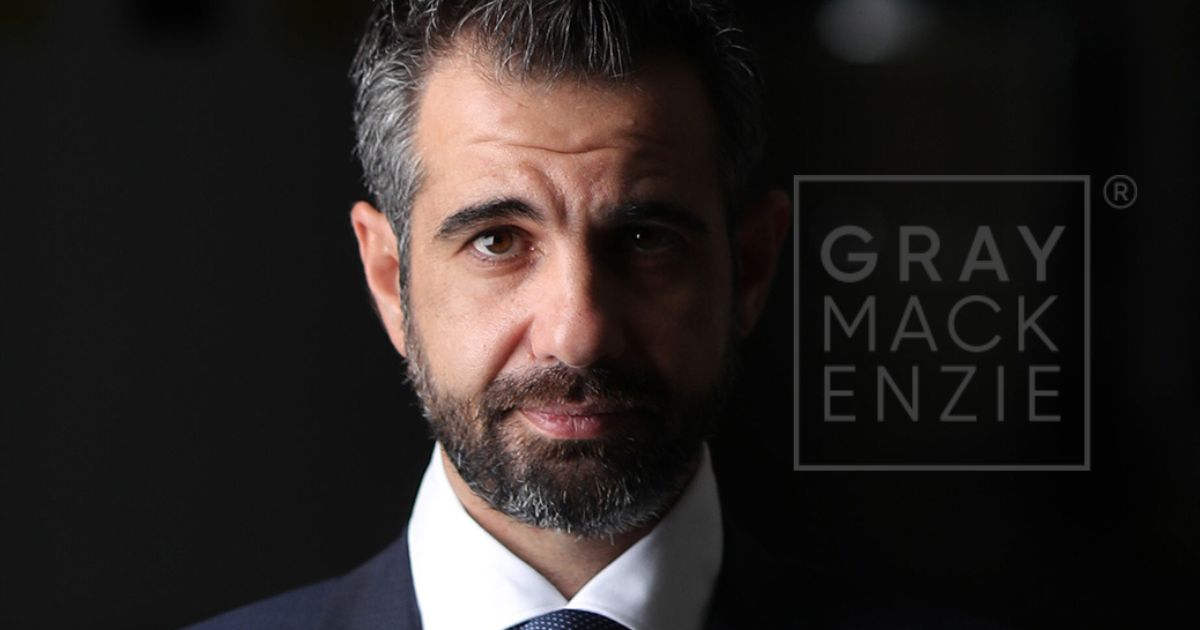
Gray Mackenzie Retail Lebanon publicly identifies Spinneys, Happy, Grab’n Go and NokNok as part of the same retail portfolio.
The group covers multiple consumer tiers at once: premium supermarkets, discount retail, convenience stores and app-based quick delivery.
Lebanon’s long economic crisis, inflation shock and fall in private consumption created conditions where a multi-format retail model can protect customer traffic better than a single-brand strategy.
Public store pages suggest the group currently has more than 40 physical retail locations in Lebanon.
The retail structure hiding in plain sight
Many Lebanese consumers think of Spinneys, Happy, Grab’n Go and NokNok as separate brands built for separate needs. Public information from the companies themselves shows something else: all four are part of Gray Mackenzie Retail Lebanon, or GMRL, a group that says it operates across retail, distribution and food and beverage in the country.
That matters because these brands do not sit in the same corner of the market. Spinneys targets the full-service supermarket shopper. Happy presents itself as a discount chain built around savings and low prices. Grab’n Go focuses on convenience retail. NokNok pushes the same logic into app-based quick delivery. Put together, the portfolio gives one group exposure to several ways Lebanese households shop for daily needs.
Why this matters in Lebanon’s economy
Lebanon’s economic crisis is the real backdrop to this strategy. The World Bank says the crisis that began in late 2019 brought hyperinflation, currency collapse and a sharp rise in poverty, while a December 2024 World Bank update said the economy had contracted by more than 38 percent since 2019 and private consumption had weakened further. Inflation also remained severe in 2024, even after falling out of triple digits.
In that environment, a retailer does not need every customer to stay in the same store format. It needs to keep the customer inside the same corporate system. A household that cuts back on premium grocery shopping may still spend at a discount chain. A consumer who wants speed over scale may shift to convenience retail or delivery.
That is why GMRL’s portfolio looks less like internal competition and more like a hedge against changing purchasing power. This is analysis based on the group’s brand structure and Lebanon’s macroeconomic context, not evidence of unlawful market conduct.
What each brand does inside the same group
The segmentation is visible in the brand descriptions.
Spinneys operates as the group’s supermarket anchor, with online ordering, home delivery and a broad grocery assortment. Its official branch finder currently lists 18 branches.
Happy Discount Store describes itself as a savings-led chain focused on low prices. Its website says it benefits from GMRL’s purchasing power.
Grab’n Go says it is part of Lebanon’s largest retail group and focuses on convenience shopping. GMRL says the chain has 12 outlets, including 8 petrol station shops.
NokNok was acquired by GMRL in 2024 as part of a push into e-commerce and digital retail. Its app store page now markets the platform as a fast-delivery marketplace spanning groceries, beauty, electronics and home essentials, with coverage across Beirut, Greater Beirut, Baabda, Metn, Mount Lebanon, Keserwan and Tripoli.
Using only the current counts visible on official public pages, GMRL appears to control more than 40 physical retail points in Lebanon, before counting NokNok’s digital channel. The precise total depends on which of the group’s pages you use, but the bigger point does not change: the company has built a retail web that reaches different price levels and shopping habits at once.
The strategy is broader than store count
The group’s own language points to an ecosystem strategy, not a single-chain mindset. Happy says its pricing power comes from being inside Gray Mackenzie. GMRL says NokNok strengthens its digital footprint. Spinneys adds supermarket scale and delivery infrastructure. Grab’n Go covers convenience and neighborhood access. Each format solves a different consumer problem, but the revenue stays inside the same corporate architecture.
A short quote from GMRL’s NokNok announcement captures that approach. The company said the acquisition supports its vision to “lead Lebanon’s retail sector through digital transformation.” That statement is narrow, but it is revealing: the group is not only defending supermarket market share. It is trying to own more of the way Lebanese consumers move between stores, apps and delivery.
Why the story resonates now
For ordinary shoppers, the real story is not a corporate org chart. It is the gap between what consumers think they are choosing and how modern retail groups actually operate. In Lebanon, where families have spent years adjusting baskets, cutting costs and changing how they shop, GMRL’s structure shows how a company can stay present even when consumer behavior shifts sharply.
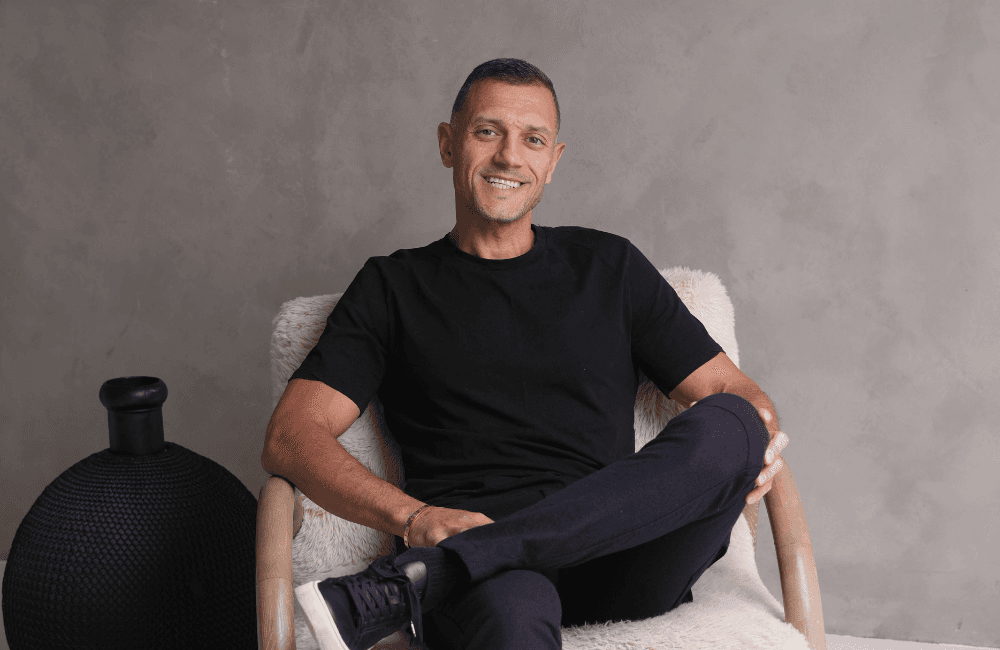
Hassan Ezzeddine, who Al-Monitor identified as executive chairman of Gray Mackenzie Retail Lebanon and one of the investors on Shark Tank Lebanon, has become one of the more visible faces of that retail machine. The celebrity angle is secondary. The more important point is corporate design: one group built brands for the full supermarket trip, the low-price run, the fuel-stop purchase and the urgent delivery order. For Lebanese consumers, that is not just business trivia. It helps explain how large retailers hold on to relevance in a country where shopping habits have changed under pressure.
 Spinneys - Gray Mackenzie Retail