TL;DR
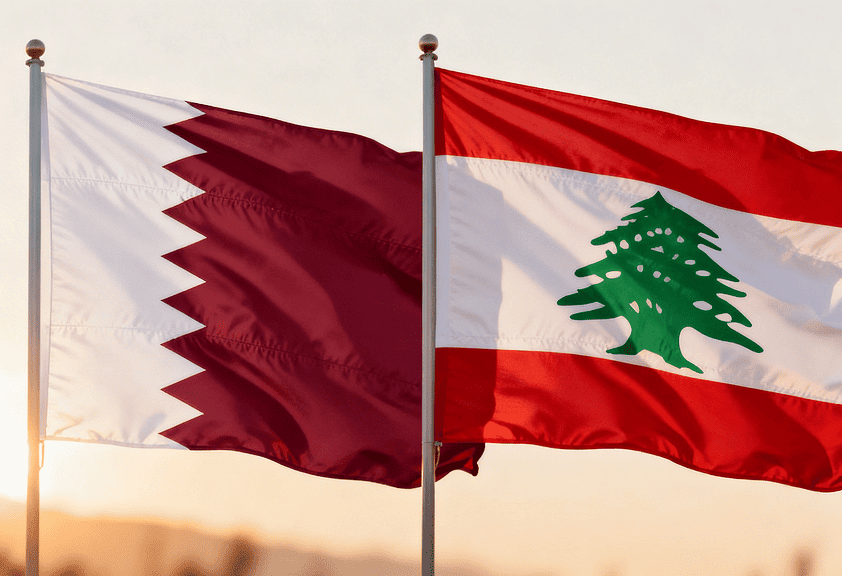
Qatar announced a $434.2 million support package for Lebanon, with approximately $400 million dedicated to the energy sector.
The funding includes a $40 million direct grant for electricity and $360 million for broader energy infrastructure projects.
The package also covers military equipment, education scholarships, and a $20 million program for the voluntary return of Syrian refugees.
What happened
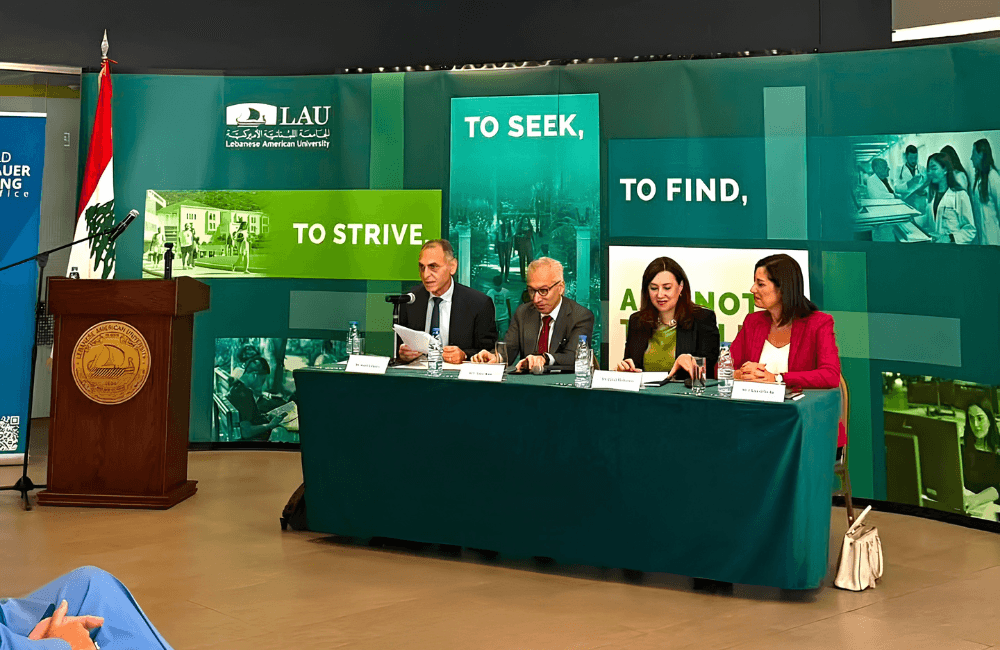
On January 26, 2026, the State of Qatar announced a comprehensive financial support package for Lebanon totaling $434,248,000. The announcement was made by Qatar’s Minister of State for Foreign Affairs, Mohammed bin Abdulaziz Al-Khulaifi, during a high-level visit to Beirut where he met with Lebanese President Joseph Aoun and Prime Minister Nawaf Salam.
The core of the initiative, channeled through the Qatar Fund for Development (QFFD), is a $400 million commitment to Lebanon’s ailing energy sector. According to QFFD, 10% of this allocation ($40 million) is structured as a direct grant, while the remaining $360 million is designated for economic projects aimed at stabilizing and modernizing the national power grid.
What we know
The funding comes at a critical juncture as Lebanon seeks to reconstruct infrastructure damaged during the 2024 conflict and address a fiscal crisis that has persisted since 2019. Beyond energy, the package includes:
Security: Provision of military vehicles and advanced equipment to the Lebanese Armed Forces (LAF).
Humanitarian: A $20 million allocation in coordination with UN agencies to facilitate the voluntary return of 100,000 Syrian refugees.
Education & Youth: Funding for university scholarships and youth empowerment through sports programs.
Qatar has historically acted as a primary financial guarantor for the Lebanese state, previously providing grants for army salaries and fuel. This latest injection follows QatarEnergy’s 2024 and 2025 moves into Lebanon's offshore gas exploration consortium alongside TotalEnergies and Eni.
What we don’t know yet
It remains not confirmed how the $360 million in "economic projects" will be disbursed or which specific power plants will receive priority for rehabilitation. Verification would require the release of a detailed project roadmap from the Lebanese Ministry of Energy and Water. Additionally, while the funding aims to benefit 1.5 million people, it is unclear if this will result in a 24-hour electricity supply or merely an incremental increase in state-provided power.
Why it matters
For the Lebanese private sector, energy costs remain the single largest overhead. Businesses currently rely on expensive, unregulated private diesel generators to bridge the gap left by the state utility, Électricité du Liban (EDL). A $400 million injection into state infrastructure could potentially lower the cost of doing business, reduce inflation tied to energy prices, and provide the baseline stability required for foreign direct investment (FDI).
Strategically, the move reinforces Qatar’s role as a key mediator and stabilizer in the Levant, particularly as other regional donors have conditioned aid on specific political reforms.
What to watch next
Market observers should monitor the tender process for the "economic projects" to see if Qatari firms receive preference in construction and maintenance contracts. Furthermore, the implementation of the refugee repatriation program will be a significant indicator of the Lebanese government's ability to coordinate with international agencies under its new leadership.