A single line in the Official Gazette is about to reach Lebanese shopping receipts. The government has put Decree 3214 into effect, a fee calculated on the waste that goods produce while they are manufactured or used. On paper it reads as an environmental charge. In practice, the way it is structured means the bill travels straight to the consumer.
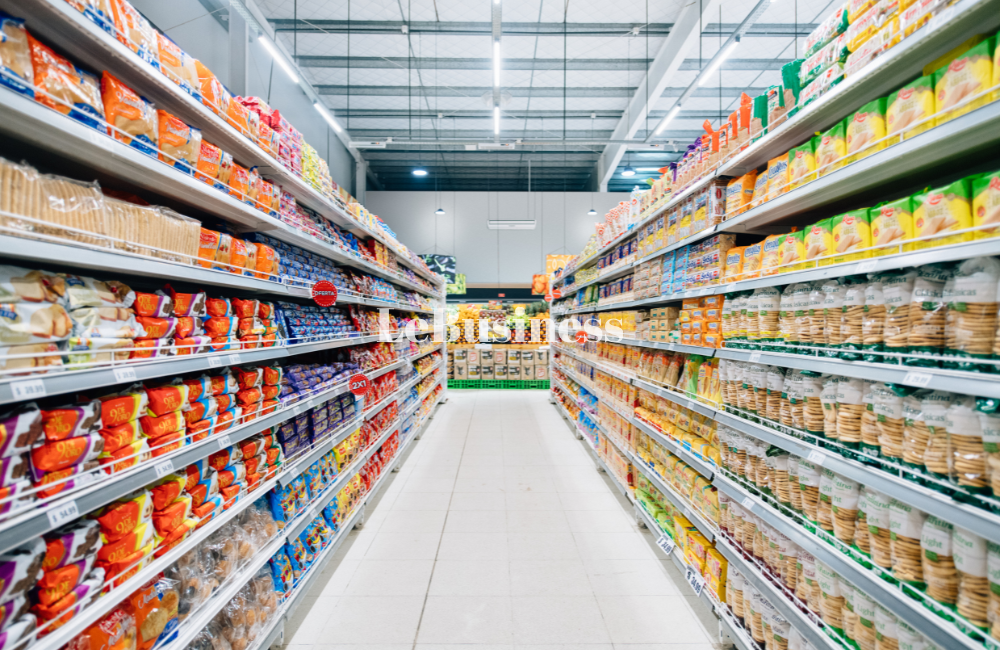
What makes the decree unusual is its reach. The fee is reported to run between 1 and 3 percent on imported goods, with fuel set at roughly 2 percent. Crucially, it does not stop at finished products. It also lands on raw materials, the inputs that Lebanese factories buy to make everything from packaged food to household goods.
Why a Local Factory Pays It Too
That detail is what worries importers. Hani Bahsali, who heads the food importers syndicate, has pointed out that because the charge sits on raw materials, a product stamped "made in Lebanon" is not shielded from it. The cost enters at the start of the supply chain and rides along to the shelf.
Bahsali, speaking to MTV, estimated the overall hit to prices at a reported 2 to 3 percent, spread thin but spread wide. His point was that there is almost nothing the increase will skip. He said neither importers nor the public were told the measure was coming, describing it as a disguised tax, and noted that even something as small as a pencil would not be spared.
The Timing Stings on Fuel
Fuel is where the new charge bites hardest, and where the timing looks most awkward. Crude had been softening on world markets after the reopening of the Strait of Hormuz, the kind of move that usually filters down to the pump. Lebanese drivers were waiting for that relief.
Instead, a canister of gasoline and a canister of diesel are each reported to climb by 40,000 Lebanese pounds. Fadi Abou Chacra, who speaks for fuel distributors, voiced frustration with the cabinet's decision, noting that the government moved just as motorists expected a discount, not an extra cost.
The Bigger Math for Households
Strip away the environmental label and the decree is a revenue tool, and not a painless one. Lebanese purchasing power is already thin, so a broad price bump pulls spending down further, which in turn drags on an economy that has little room to absorb it.
There were other levers available. Tightening collection, chasing those who dodge what they already owe, and monetizing maritime and river public properties have all been floated as ways to raise money without taxing the checkout line. For now, the state has chosen the quickest path, and households are the ones funding it.