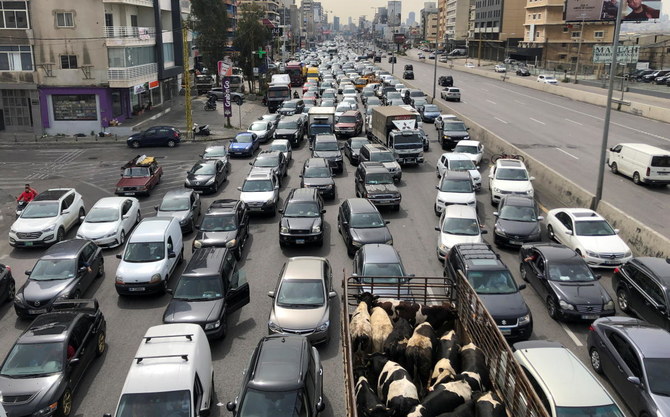
A proposal to lower the legal driving age in Lebanon from 18 to 16 has reportedly made it onto parliament's legislative agenda, and it is fair to say we have concerns.
The bill, reportedly submitted by MP Bilal Al-Hashimi, seeks to amend Lebanon's Traffic Law No. 243/2012 by allowing 16-year-olds to obtain a driver's license. The change would bring Lebanon in line with a handful of countries that permit driving at that age. Given the state of the country's roads and the local attitude toward driving, it is also raising eyebrows.
Lebanese driving culture is, to put it mildly, a world of its own. Lane markings are widely treated as suggestions, helmets are optional in spirit if not in law, and road rage is common. Against that backdrop, the idea of putting more teenage drivers on the road has understandably given people pause.
What the Crash Data Says
The numbers do not make the case for more young drivers. Lebanon recorded 2,303 road accidents in 2023, with 439 people killed, and 2,365 accidents in 2024, with 443 deaths, according to L'Orient Today. Older data covering 2007 to early 2022 put the yearly average even higher, at roughly 4,259 accidents and 519 deaths.
Young men are the most exposed group on the road. Men between 18 and 30 far outnumber every other age bracket in crash involvement, with about 4,005 young men caught up in accidents in 2024 compared with 863 women in the same age range. Adding younger, less experienced drivers to that mix is unlikely to help.
The Question of Timing
Then there is the timing. Critics are already pointing out that the most immediate effect of lowering the driving age would not be safer roads or smoother traffic. It would be a fresh wave of licensing fees flowing into government coffers at a moment when public finances remain under heavy pressure.