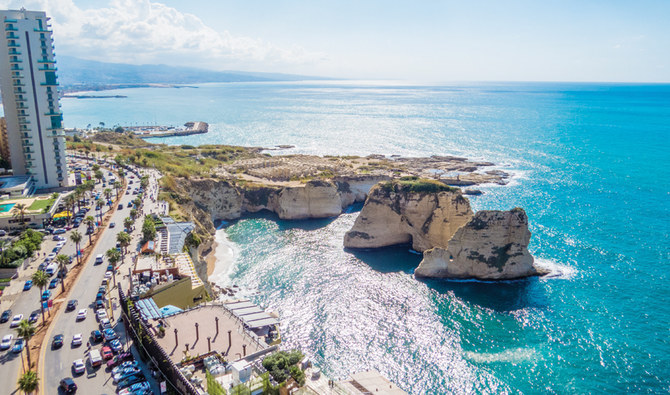
The summer season is supposed to be the moment Lebanon's economy catches its breath. This year, the renewed war has taken that away. Tourism, which carries a large share of the country's foreign currency earnings, is now one of the sectors absorbing the heaviest economic losses, and the timing could hardly be worse.
Travel into and out of Lebanon has fallen by more than 80 percent, according to figures reported in coverage of the crisis. Hotel occupancy has dropped below 10 percent in a season that normally fills rooms across Beirut, Byblos and the mountains. Tourism revenues are reported to be down about 74 percent compared with the 2024 season.
Empty Rooms at the Worst Possible Time
Lebanon's tourism rebound in 2025 was real but fragile. It depended on diaspora visitors and Gulf travelers returning for the warm months. The renewed fighting has reversed that recovery in a matter of weeks rather than months.
Hotels that were counting on June, July and August to cover the rest of the year are now sitting nearly empty. Restaurants and short-term rentals that built their year around summer traffic face the same problem. When the peak season fails, there is no later quarter to make up the gap.
The Flight Bottleneck
Getting to Lebanon has become the first obstacle. Air travel is operating on a limited basis, with flights largely restricted to Middle East Airlines, the national carrier, alongside a small number of routes run by Royal Jordanian and Turkish Airlines. Several international carriers have suspended service entirely.
Prices have moved in step with the scarcity. Fares on some routes have surged by as much as 900 percent, according to reported figures, putting a normal summer trip out of reach for many families. A global fuel crisis tied to wider regional instability has pushed airline operating costs higher, which feeds directly into ticket prices and route cuts.
What a Lost Season Costs the Wider Economy
The damage does not stop at the hotel front desk. Tourism is one of Lebanon's main sources of fresh foreign currency, and a collapsed season drains dollars the economy badly needs. The combined tourism revenue loss for the 2025 and 2026 seasons is reported at between 3 and 4 billion dollars against earlier recovery projections.
The drop in tourism is reported to be the main driver behind Lebanon's expected economic contraction this year. Forecasts cited in recent coverage point to a projected decline in gross domestic product of between 12 and 16 percent in 2026, with the exact figure depending on how long the conflict lasts. Remittances from the Gulf and the eventual length of the war will shape how deep the hole becomes.
The Stakes for the Months Ahead
The outcome of this summer is closely tied to whether Lebanon's economy steadies or slides further. A successful season would bring back a flow of foreign currency and give hospitality businesses a reason to keep their staff. A lost one removes that lifeline at the moment the country can least afford it.
For now, the runway is mostly quiet, the hotels are mostly empty, and the calendar keeps moving toward the weeks that were meant to carry the year.