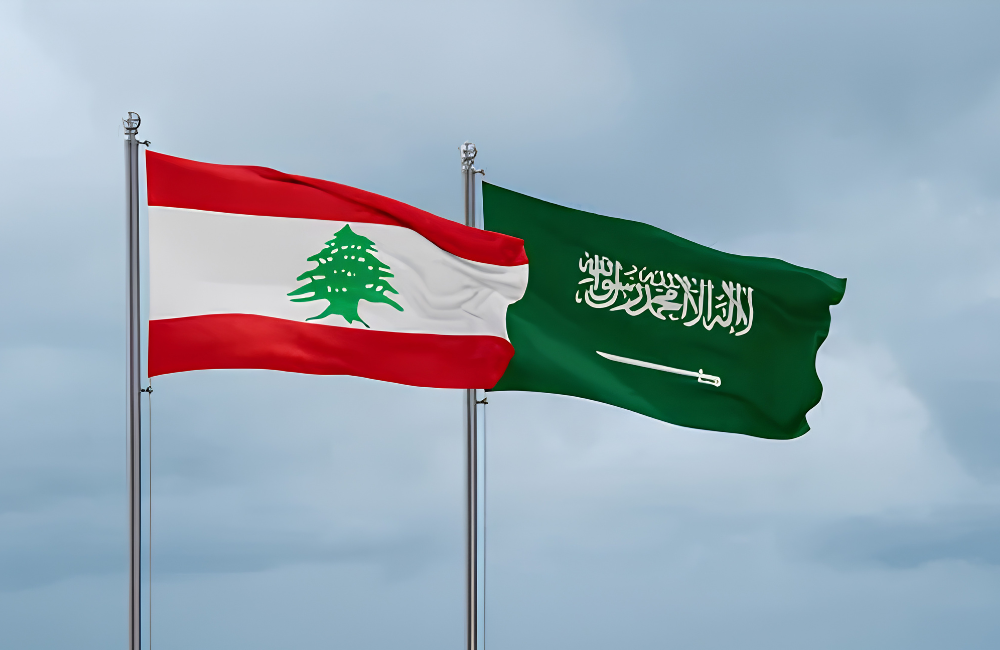
Before the door closed, Lebanon was shipping $232 million worth of goods to Saudi Arabia every year. In 2021, industrial products accounted for more than $150 million of that figure, while agricultural exports brought in $82 million. A year earlier, in 2020, exports to the Kingdom had reached $217.7 million, around 6 percent of Lebanon's total exports.
That trade came to a halt when Riyadh banned Lebanese imports in 2021, first blocking fruits and vegetables over smuggling concerns, then suspending all imports from Lebanon later that year. Now, for the first time in years, those numbers are back on the table.
Direct Talks Between Beirut and Riyadh
Direct discussions are reported between Lebanon's president and the Saudi leadership, with the possible reopening of Saudi markets to Lebanese exports as a central topic. Relations between the two countries have warmed again after years of distance, and the trade file that froze in 2021 is moving once more.
What Lebanon Changed on the Ground
The Saudi ban was driven by security concerns, above all the smuggling of drugs hidden inside legitimate shipments. Lebanon's answer has been to rebuild trust at the border. Scanners are reported to be operating at the country's ports, airports, and land crossings, giving authorities the ability to inspect outbound cargo before it leaves Lebanese territory.
Anti-smuggling enforcement has also been tightened, and export businesses are reported to be going through a verification process. The goal is simple: every company shipping goods out of Lebanon should be known, vetted, and accountable.
A Land Route Through Syria and Jordan
Geography gives the file extra weight. The overland corridor runs from Lebanon into Syria, through Jordan, and on to Saudi Arabia. For exporters of fresh produce and industrial goods, a functioning land route cuts costs and delivery times compared with sea freight, making Lebanese products more competitive once the market reopens.
The Gulf Beyond Saudi Arabia
A reopening would not stop at the Saudi border. Riyadh's position carries weight across the Gulf, and restored access to the Saudi market would open the door for Lebanese exporters to win back customers in other GCC countries as well. For an export sector starved of hard currency, every market that reopens matters.
Factories and Farms Waiting to Restart
For Lebanese industrialists and farmers, this is about going back to work. The producers who built more than $150 million in annual industrial sales and $82 million in agricultural sales to the Kingdom did not disappear; they lost their largest Gulf customer. If the ban is lifted, the $232 million Lebanon used to earn each year becomes a target to rebuild toward, not a memory.