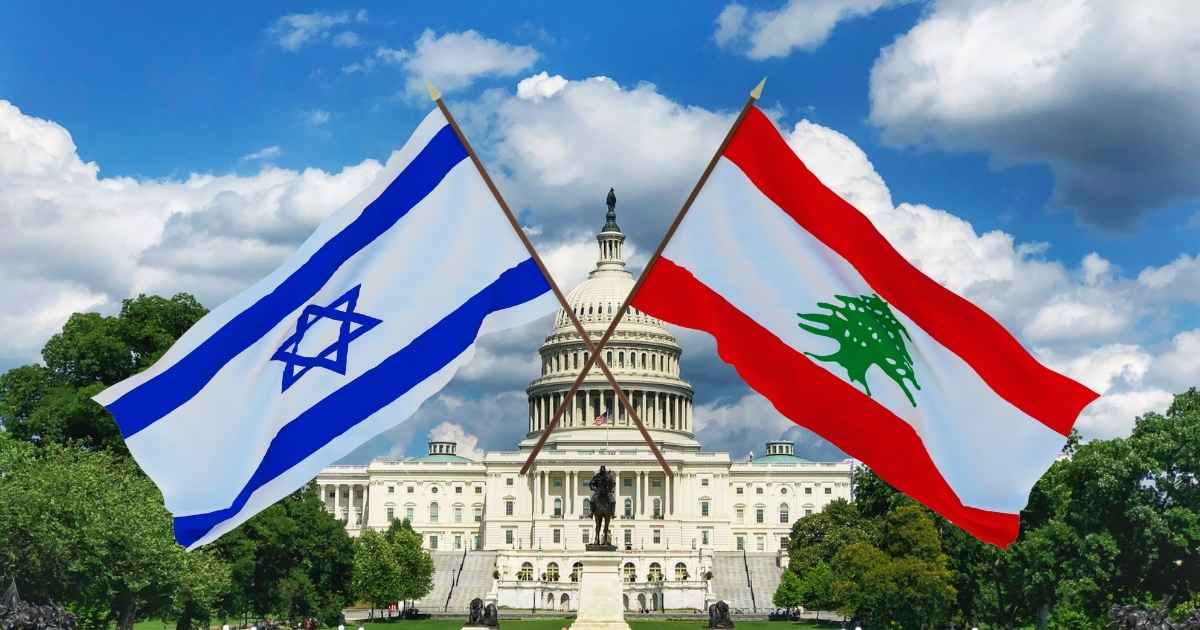
Lebanon and Israel are holding a second round of direct talks in Washington
The main goal is extending the current 10-day ceasefire
Lebanon demands troop withdrawal, halt to demolitions, and army deployment to the south
Israel continues to push for Hezbollah disarmament
Markets and investors are watching closely as talks impact potential reconstruction funding
Talks Resume Under U.S. Mediation
Lebanese and Israeli officials resumed direct negotiations in Washington on Thursday, marking a second round of talks facilitated by U.S. Secretary of State Marco Rubio.
Lebanon’s delegation, led by Ambassador Nada Hamadeh Moawad, is engaging with Israeli Ambassador Yechiel Leiter at the White House in an effort to maintain momentum after a fragile ceasefire agreement.
Ceasefire Extension at the Core
The immediate focus of the talks is extending the current 10-day ceasefire, which followed a sharp escalation in March.
Lebanon has outlined three key demands:
An immediate halt to Israeli home demolitions in southern Lebanon
A full withdrawal of Israeli forces
Deployment of the Lebanese Armed Forces along the southern border
Israel, on the other hand, continues to prioritize the disarmament of Hezbollah, which it considers essential for securing its northern frontier.
From Escalation to Negotiation
The negotiations follow a major military escalation that displaced more than one million people in Lebanon and caused significant damage to infrastructure, particularly in the south.
The temporary truce created a narrow window for diplomacy, leading to these U.S.-brokered discussions.
Why Markets Are Watching Closely
Beyond the security dimension, the talks carry significant economic weight.
Investors and financial institutions are closely monitoring developments, as progress toward a stable and lasting agreement could unlock critical international support for Lebanon.
U.S. officials have made it clear that large-scale reconstruction funding and broader economic recovery efforts depend on achieving a sustained framework for stability.
For Lebanon, the outcome of these talks may shape not only its security landscape but also the pace and viability of its economic recovery.