When survival becomes the operating model
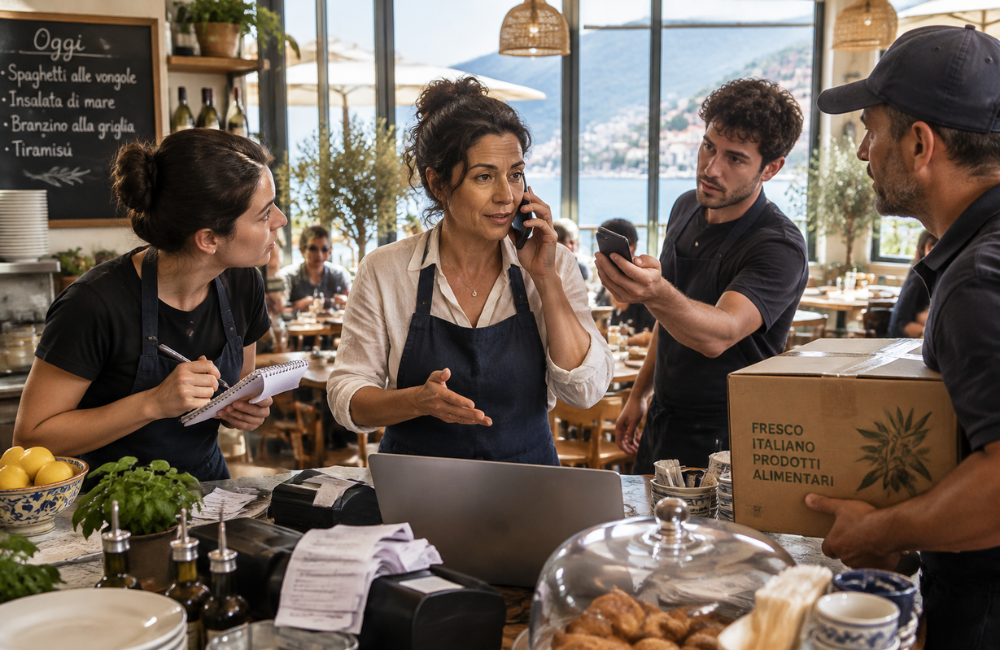
An employee needs a price approved. A supplier is waiting for an answer. A customer asks about an order, and the only person who knows what was promised is the owner. By lunchtime, the founder has become the person through whom every ordinary task must pass.
From the outside, this can look like commitment. From inside the business, it means a day off creates a queue.
After more than eight years working across hospitality, startups and business operations, I have become wary of the phrase “everything is under control.” Sometimes it means the business has a reliable way of working. Sometimes it means one exhausted person is remembering everything.
In Lebanon, we have good reasons for working this way. When costs shift, infrastructure fails or cash is tight, you deal with what is in front of you. A workaround that gets you through the week can be a sensible decision.
The problem comes when it becomes permanent. A price agreed in a conversation becomes the pricing policy. The person who once solved a problem inherits it forever. A WhatsApp thread becomes the customer record. Nobody sits down and chooses this operating model. It accumulates.
Eventually, the founder is holding together arrangements that nobody else can fully see.
“I hired people, but I still have to do everything” is a familiar complaint. Before blaming the team, I want to know what an employee is actually allowed to decide. Can they quote a price? Resolve a routine complaint? Complete a handover without asking what happens next?
If the answers change depending on the day, asking people to take ownership is asking them to guess. When guessing leads to correction, they learn to ask permission. The founder sees more questions as proof that delegation does not work. The team sees asking as the safest way to work.
Both become stuck in a pattern they dislike. Hiring another person can simply add another person waiting for an answer.
Expertise does not organise itself
The same structural problem can exist in a business with very few employees, or even one. A professional can be excellent at the work and still struggle to turn that expertise into something a client can understand, buy and receive consistently.
My work with Chef Michel Karam illustrates this. The culinary expertise was already there. What needed defining was the consulting business around it: the offer, pricing logic, positioning and digital foundation.
That is a different task from making someone look more professional online. A website cannot settle what a service includes, where the scope ends or how a client should engage you. Those decisions have to be made before the website can explain them.
For any expert building a business, the questions are practical. What exactly is the client buying? What information do you need before starting? Which requests belong inside the fee, and which need a separate agreement? How will the client know the work is complete?
Leaving those questions open means negotiating the business from scratch every time someone enquires. Experience gives you the ability to deliver. Structure gives that ability a dependable commercial shape.
In hospitality, I have also seen how much can change when the way a business runs is addressed. At La Gare, weekday revenue moved from around $20 to more than $300 following restructuring. At Le Pavé Bar, outstanding debt was cleared in 30 days. These were specific outcomes in specific venues, rather than a formula every business can repeat.
What matters beyond the headline number is whether the business can sustain the improvement without returning to constant improvisation.
That is why I am cautious when “we need more customers” becomes the answer to every difficult month. Some businesses do need stronger demand. But if enquiries get lost, quotations stall and delivery depends on memory, more customers put more pressure on the same weak process.
I want to know what happens after someone says yes. Who records the request? Who confirms the scope and price? Who delivers? Who follows through on payment?
A business can work very hard to attract attention while leaving the work that follows almost entirely to chance.
Sometimes the next step is to build
Once those decisions are clear, there is another question: how much of the work are people still rebuilding by hand?
That question sits behind Chef Intel, the mobile application being developed through Chassis for chefs, culinary consultants and restaurant operators. It brings work such as menu engineering, recipe costing, restaurant assessments, staffing, HACCP-related workflows, SOPs and operational reporting into one system.
The application is still being built and is currently in testing on Google Play, with development across 17 languages. It is an ongoing product, not a finished success story.
For me, it represents an important progression. When the same work keeps spreading across spreadsheets, documents and separate tools, another set of recommendations may not be enough. There may be a tool worth building around the work itself.
The purpose is to reduce repeated processing and organisation so the professional can spend more time interpreting the information and deciding what to do. A chef’s judgement remains essential. Software should give that judgement better information to work with.
The same principle applies to a CRM, an automation or an internal dashboard. Give the technology a defined job. A CRM cannot decide who owns a follow-up. An automation cannot make an unclear offer easier to deliver. Without those decisions, the founder ends up managing the software on top of managing everyone else.
This is the thinking behind Chassis: understand where the business is getting stuck, structure how it should work, then build what it needs to support that way of working.
Useful structure can be modest. One place to track active enquiries. A pricing rule the team understands. A clear handover. An agreed limit within which someone can act without permission. These decisions rarely make an impressive announcement. They do make Tuesday easier.
I would start with one question: what stops moving when you are unavailable?
Choose a recurring task from the answer. Make the steps visible. Give someone responsibility and enough authority to complete it. Agree on the exceptions that need your attention. Then see whether the task gets done without your intervention.
Lebanese founders have earned respect for keeping businesses alive through difficult conditions. But endurance should not become the permanent operating model.
Keeping the doors open is an achievement. So is building a business that no longer needs you standing in the doorway.
About the author
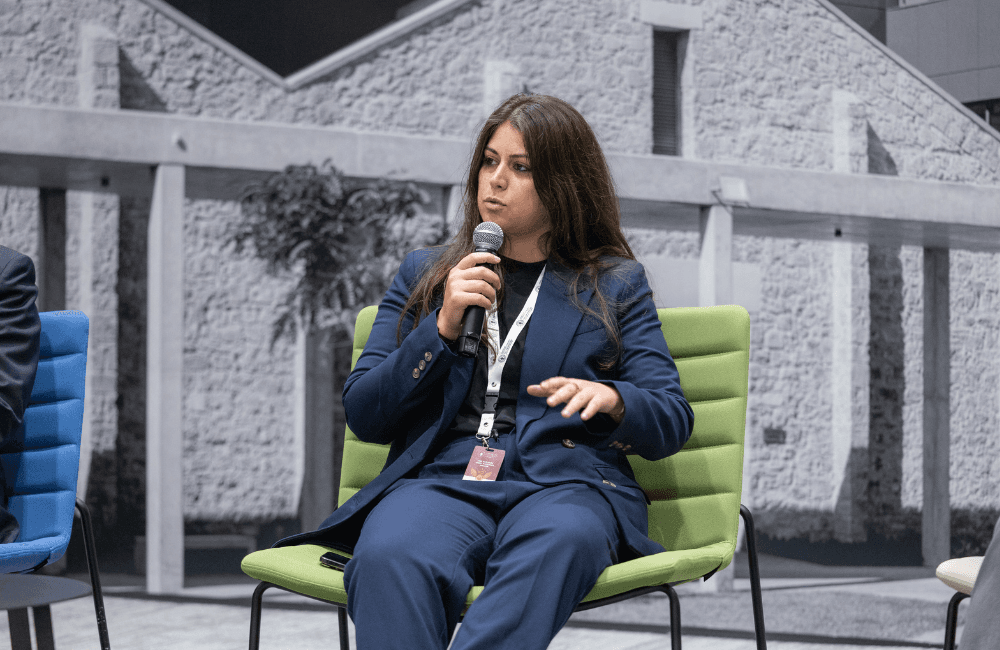
Sophia Ayoubi is the founder of Chassis, which structures businesses and builds the systems behind them. She brings more than eight years of experience across hospitality, startups and operations, and works with founder-led businesses in Lebanon and the GCC.
 Chassis