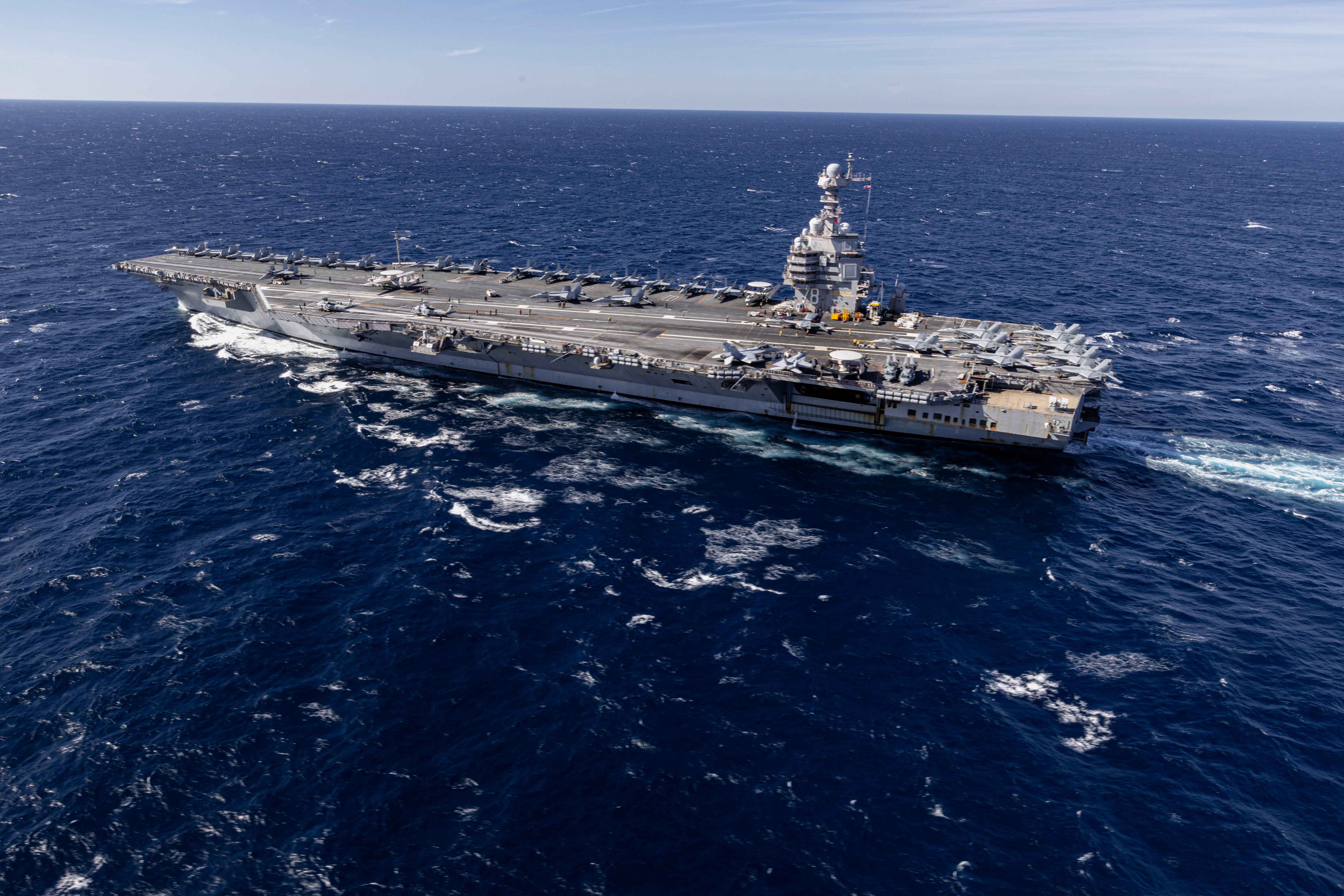
Tensions between the United States and Iran have intensified in early 2026, sending ripples through global markets. The potential for escalation into direct conflict has pushed energy and commodity markets to price in risk premiums, while insurers and shippers brace for higher costs and operational obstacles.
Recent geopolitical developments include ongoing indirect talks in Geneva between U.S. and Iranian officials, and increasingly assertive rhetoric from both sides. Iran has warned it will respond forcefully to any U.S. military action, and analysts see risks to key maritime corridors that carry a significant share of world’s oil supply.
Energy Supply and Oil Price Dynamics
Oil markets have already responded to the heightened tensions. Freight rates for very large crude carriers (VLCCs) running from the Middle East to Asia surged to their highest levels since 2020, as buyers rushed to secure shipments amid fears of disruption at the Strait of Hormuz.
Analysts have incorporated risk premiums of $4 to $10 per barrel into forecasts, lifting Brent crude price expectations for 2026. However, observers also caution that oversupply or demand headwinds later in the year could limit price increases.
The Strait of Hormuz remains a focal point due to its role as a key transit choke point for approximately 20 percent of global seaborne oil flows. Any disruption there could quickly translate into significant supply shortages and price spikes.
Shipping Costs and Insurance Premiums on the Rise
Geopolitical risk has driven insurance and freight costs sharply higher. Shipowners are monitoring the Gulf’s waters more closely, and war-risk premiums for tankers trading near strategic waterways have climbed significantly. Higher insurance costs are often passed on, raising transport costs for energy and commodity shipments globally.
The combination of elevated tanker rates and risk premiums factors into broader inflationary pressures. Higher shipping and insurance costs raise the delivered cost of fuel and goods, potentially feeding through to consumer prices worldwide.
Global Trade Vulnerability and Economic Impact
The U.S.-Iran standoff compounds existing trade fragilities. An intensification of hostilities could disrupt not only energy flows but also general merchandise shipping and logistics chains.
Energy Markets: Any actual closure or disruption near Hormuz would cut significant crude and LNG flows.
Shipping Routes: Maritime insurance premiums and freight costs may remain elevated.
Inflation: Higher energy and transport costs may feed into broader price pressures.
Investor Sentiment: Volatility in financial markets could rise, increasing risk aversion.
These pressures come at a time when many economies are still managing the aftereffects of inflation, trade uncertainties, and supply chain normalization.
Diplomatic Containment and Strategic Buffers
Markets and governments alike have emphasized the role of diplomacy in reducing the risks of escalation. Ongoing negotiations and third-party mediation remain critical.
Energy buffers such as the U.S. Strategic Petroleum Reserve and China’s large crude stockpiles could help cushion the impact of near-term supply shocks should tensions spike further.