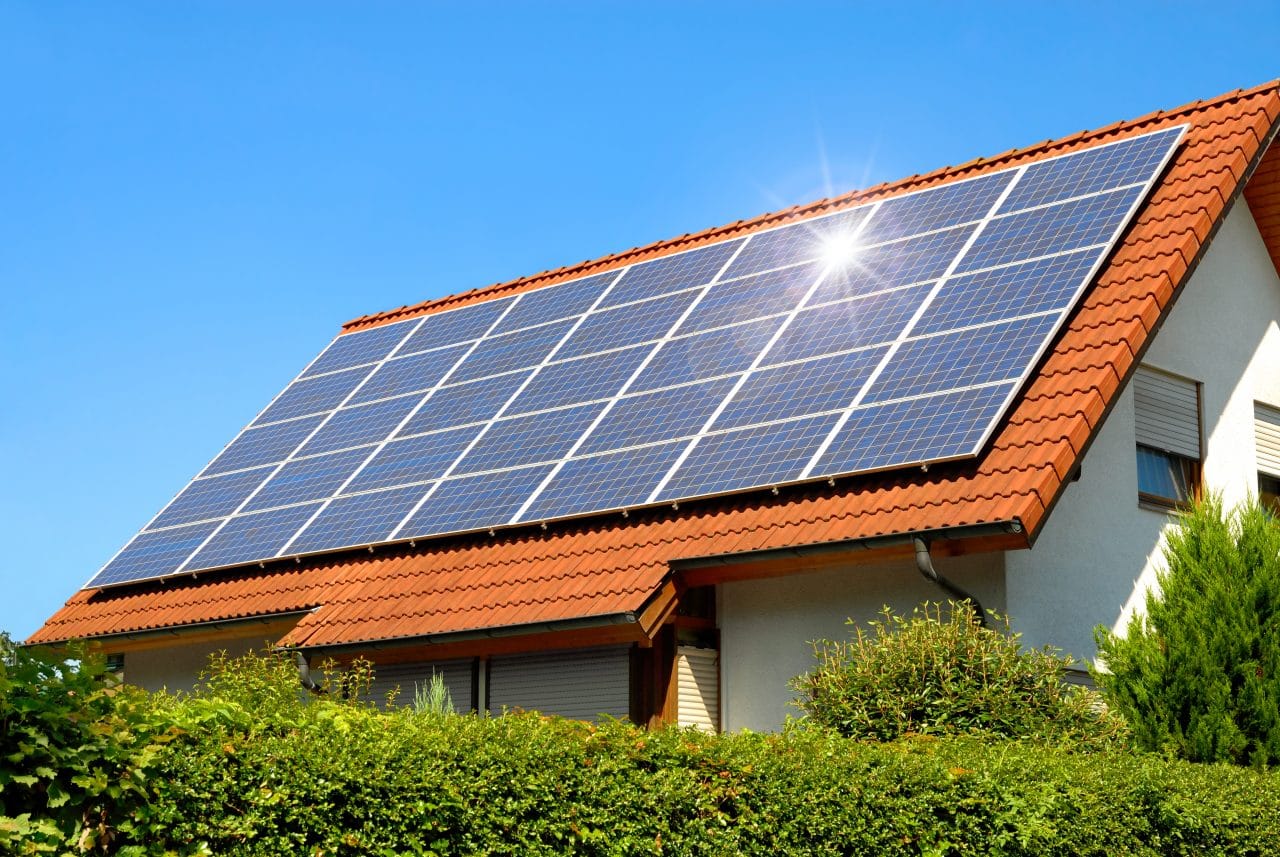
Rooftop solar stopped being a luxury in Lebanon the moment the public grid faded to a few hours a day. For households that cannot pay cash for panels, Banque de l'Habitat (BDH), the bank most people call the Housing Bank, runs the one financing route that is actually open: a dedicated Solar Energy Loan. It sits next to the bank's long-term housing loans, but it is a separate, shorter product built for one job, putting a working solar system on your roof and letting you pay for it over five years.
This is a guide to what the loan really offers in 2026, who qualifies, the approvals you cannot skip, and the exact order of steps to get funded. The terms below come from the bank's own Solar Energy Loan page. Confirm the latest figures with BDH before you sign, since the bank states its rate and conditions are subject to amendment.
The Loan in Plain Numbers
The Solar Energy Loan is granted in fresh US dollars. The minimum amount is $5,000, and the loan cannot exceed 80% of the total project cost, so you cover at least a fifth of the system yourself. The term is fixed at five years, and early payoff is not allowed, which is unusual and worth planning around.
Interest is set at 6.00% per year, described by the bank as subject to amendment. That headline rate is not the full cost. The bank lists an annual percentage rate of 14.77%, and that figure still excludes the life and fire insurance premiums you are required to carry. Read the 14.77% as the number that reflects fees on top of the nominal rate, and budget against it rather than the 6%.
There is a three-month grace period from the date you sign the contract, and repayment is made only in cash in fresh dollars. When the loan launched in June 2022 it was issued in Lebanese pounds, reportedly between 75 and 200 million LBP at a lower nominal rate, but the product now runs entirely in fresh USD on the bank's current terms.
Who Can Actually Get It
This loan is aimed squarely at middle and low income households, and the income rule makes that explicit. Your household net monthly income must not exceed $2,000 fresh. If you earn more than that, this particular loan is not designed for you.
You must have held Lebanese citizenship for at least 10 years and be in full legal capacity. You need a clean judicial record, a clear credit history, and no blacklisting over the past decade. You also need to have been in the labor market for at least two years before you apply, with proof of regular income such as an official employment certificate and fresh-dollar bank statements, or other acceptable proof of income.
Age caps apply to both residents and expatriates. Employees can borrow up to age 64, while free professionals and self-employed people can borrow up to age 70, as long as the loan runs at least five years. One more condition often trips people up: the home where the panels go must be owned by you or by a family member, and the loan cannot be used to pay off an earlier debt or arrears.
The Two Ratios That Decide Your Amount
Even if you clear every eligibility box, two ratios set the ceiling on what the bank will lend. Your total monthly obligations cannot exceed 45% of household net monthly income, and the monthly installment on this loan cannot exceed 33% of your net income.
The bank does not just look at your salary. It weighs every financial obligation you carry, whether or not it appears in the Banque du Liban risk record, and it factors in the real cost of living: food, transport, fuel and diesel, school and university tuition, and rent if you are a non-resident. Run your own numbers against the 33% installment cap first, because that is usually the figure that decides your approved amount.
The Approvals You Need Before the Money Moves
Three sign-offs stand between you and a funded loan, and they are the part most applicants underestimate. First, you need approval from the Lebanese Center for Energy Conservation (LCEC), the technical body tied to the Ministry of Energy and Water. Under a memorandum signed with BDH, the LCEC acts as the technical arm of the bank, reviewing and filtering the solar projects submitted for financing.
Second, you need the approval of the Ministry of Interior and Municipalities. Third, if you live in a shared building, you must secure the written consent of 75% of the building co-owners' committee before panels can go on a shared roof. Gather these early, because the bank will not release funds until they are in hand.
Choosing an Installer From the Approved List
You cannot pick just any solar company. The supplier must be on the list of installers accredited by the LCEC, which vets companies against a set of technical criteria and updates the roster over time. The most recent recommended list was published at the end of December 2025 and is available on the LCEC's solar loans page.
Using an accredited installer is not a formality. It protects the quality of the installation, and because the loan is disbursed to the supplier rather than to you, working with an approved company keeps the whole file moving. For technical questions, the LCEC can be reached at pv.loans@lcec.org.lb.
How the Money Is Released
The loan is not paid into your account. Once your file is approved, the amount is released directly to the accredited supplier, and only after you provide one of two guarantees: a first-degree mortgage, which does not have to be on the home getting the panels, or a bank guarantee equal to 120% of the loan amount in the same currency.
At signing, you also take on two insurance policies in the bank's favor, both paid in fresh dollars. One is a life insurance policy paid monthly. The other is a home insurance policy paid yearly, covering fire, allied perils, and third-party liability. Both must come from insurers accredited by the bank, and their premiums are part of why the real annual cost sits well above the 6% headline rate.
Step by Step: How to Apply
Applications are handled online through the BDH platform, not at a branch counter. Start at the bank's website, banque-habitat.com.lb, and open the Solar Energy Loan application. You will likely need to create an account and sign in before you can access the form.
Fill in the application, then upload your documents: proof of income, your employment certificate, fresh-dollar bank statements, and identity and property papers. In parallel, line up the technical side by getting a quote from an LCEC-accredited installer and starting the LCEC, Ministry of Interior, and co-owner approvals. Once your financial file and the approvals are complete, the bank finalizes the loan and pays the supplier, and your five-year repayment begins after the three-month grace period.
What to Prepare Before You Start
Have your salary certificate and at least two years of income proof ready before you open the form, because the bank asks for them up front. Get an itemized quote from an accredited installer so you know the project cost and can confirm the loan will cover no more than 80% of it. If you share a building, start collecting co-owner signatures early, since reaching the 75% threshold can take longer than any bank step.
Because the terms can change, confirm the current rate, the required documents, and the guarantee options directly with BDH before committing. The bank's general hotline is 1620, and the LCEC handles the technical questions on installers and approvals. Anyone weighing a five-year fresh-dollar loan should price the full cost against the 14.77% APR, not the 6% headline, and make sure the fixed installment fits under the 33% cap with room to spare.