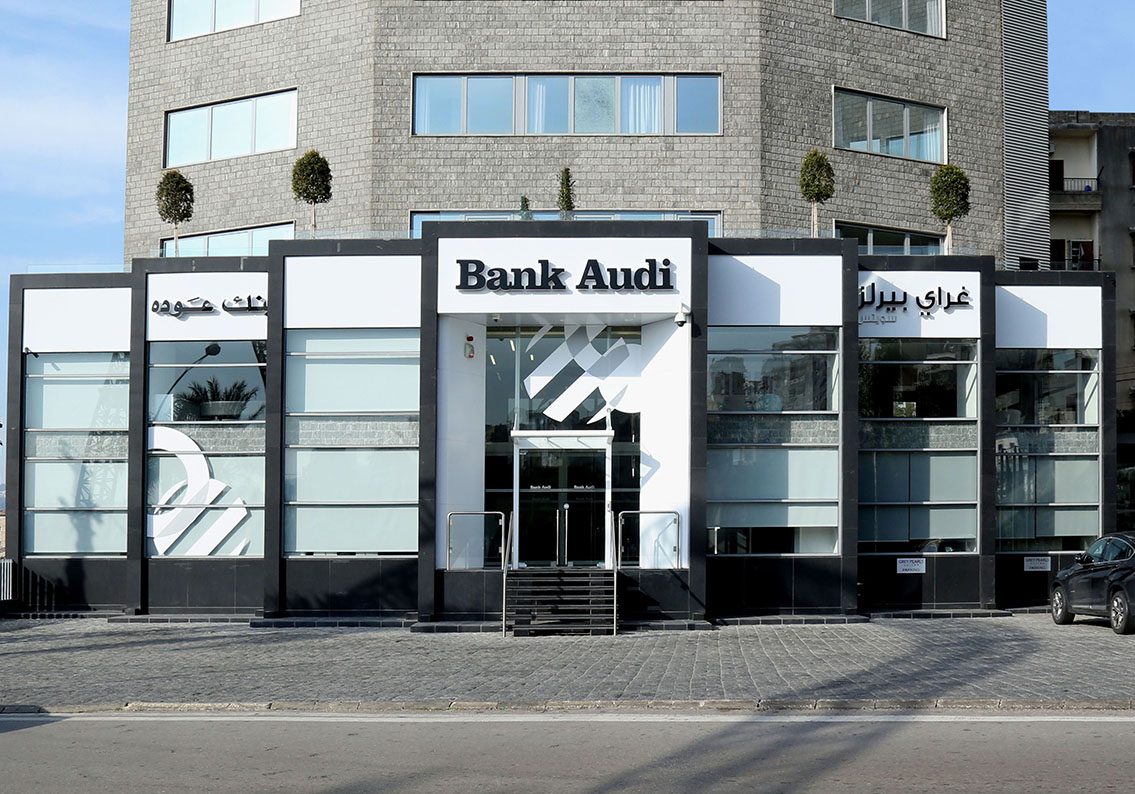
Lebanon's economy will see no real growth in 2026 if the current ceasefire holds, according to a quarterly report by Bank Audi. That projection compares with reported real GDP growth of 5 percent in 2025.
The report points to a sharp slowdown in activity, with inflation expected to climb to roughly 20 percent over the year. Foreign reserves at Banque du Liban are projected to settle between $11 billion and $12 billion, leaving the central bank with limited room to defend the lira.
The Trade Gap
Bank Audi forecasts exports of $3.2 billion against imports of $18 billion, a trade deficit of nearly $15 billion. That ratio of roughly six to one continues a long pattern in Lebanon's external accounts, where consumer goods, fuel, and industrial inputs dominate inbound shipments while local producers struggle to scale.
The figures are projections, not actual outturns, and assume that the security situation does not deteriorate. The bank has framed the forecast as conditional on the ceasefire arrangement remaining in place through the rest of the year.
What a Flat Year Means
A zero-growth year leaves Lebanon's nominal GDP roughly where it was in 2025, but with prices rising 20 percent the real purchasing power of households shrinks again. Wages priced in lira would lose value, and dollarized expenses would weigh more heavily on those without access to foreign income.
The reserves figure is the more closely watched number. BDL has used its reserves to support imports of fuel, wheat, and medicine in recent years. A settled range of $11 to $12 billion suggests the central bank can keep covering essential imports but has little capacity for broader market intervention.
The Ceasefire Variable
The forecast hinges on a single assumption. If the ceasefire collapses or the southern front reopens, the report's baseline does not hold. The reported 5 percent growth figure for 2025 was itself the product of a partial recovery period, and a renewed conflict would likely cut into tourism, construction, and consumer activity, the three sectors that drove most of last year's expansion.
The report did not include scenarios for stronger or weaker outcomes, and Bank Audi has not published a date for its next update. The numbers add to a growing set of forecasts from Lebanese banks and international institutions pointing to a difficult year ahead even under the most stable assumptions.
 Bank Audi