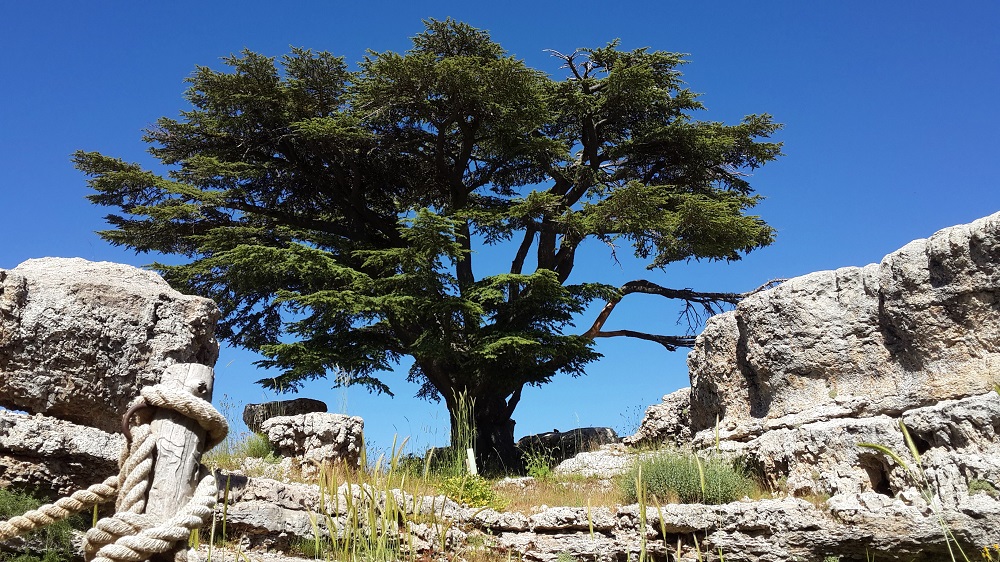
More than 15,000 people visit the Tannourine Cedar Reserve in northern Lebanon every year, and the reserve says that figure is now rising after it opened a trail built for people with visual challenges.
The reserve sits in the Batroun district at an altitude of roughly 1,300 to 1,800 meters. It protects one of the largest and densest cedar forests in Lebanon, with around a million trees spread across the mountainside. For years the site has been a draw for hikers, bird watchers, and photographers.
A First for Lebanese Reserves
The new path is designed so that people with visual impairments can move through part of the forest safely and independently. The reserve describes it as a first of its kind in Lebanon, framing the project as a step toward inclusive eco-tourism rather than a one-off feature.
The reported aim is to make the cedar forest accessible to visitors who have long been left out of outdoor sites in the country. By building the trail into the visitor experience, the reserve is treating accessibility as part of how the forest is run, not as an add-on.
The Numbers Behind the Forest
The 15,000 annual visitors give the reserve a steady base of foot traffic, and that traffic matters financially. Entrance fees fund conservation work, trail and facility maintenance, biodiversity monitoring, and education programs at the site.
Pushing visitor numbers higher widens that funding base. A trail that opens the forest to a group of visitors who could not easily access it before adds a new audience without requiring the reserve to expand its footprint into protected woodland.
The reserve is open to the public during the warmer months, with paid entry for Lebanese citizens, visitors from Arab countries, and other foreign visitors. For a forest that depends on the people who walk through it to help pay for its own protection, every additional visitor counts toward keeping the cedars standing.