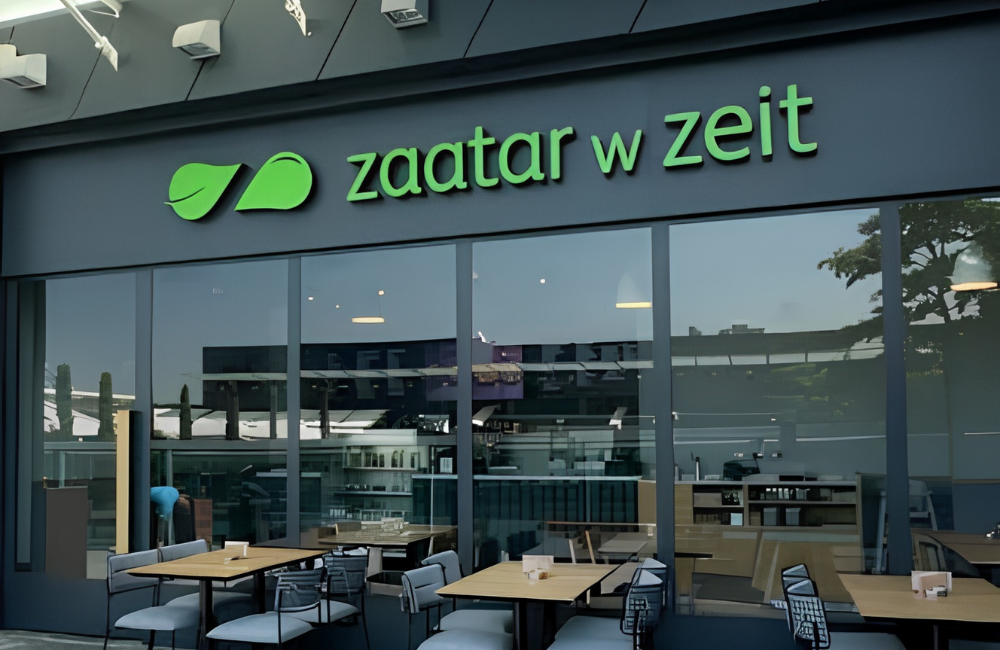
In May 1999, a single shop in Sodeco, Beirut started selling manakeesh and wraps to people grabbing breakfast on the way to work. Today, Zaatar w Zeit says it has passed 100 branches worldwide, a number very few Lebanese restaurant brands have ever reached.
The chain shared the milestone on Instagram, dedicating it to every Lebanese who dared to build something bigger. For a country where many businesses spent the past six years just trying to keep their doors open, a homegrown food brand reaching triple digits deserves a closer look at how it got there.
A breakfast staple turned into a brand
The name means thyme and olive oil in Arabic, the two ingredients behind Lebanon's best known breakfast. The early menu stuck close to street food: za'atar manakeesh, cheese flatbreads and wraps. Donald Daccache, a partner and the chain's chairman, has been part of the company's leadership as it grew from that first branch.
Expansion abroad came early. The brand began franchising in 2004, starting with Kuwait, according to its franchise listing. In 2010, it went through a full rebrand to present itself as a quick casual Lebanese urban eatery, adding salads, appetizers and international dishes to the menu.
From the Gulf to Vancouver and Mumbai
The UAE became one of its biggest markets. In July 2024, the chain opened its 25th UAE branch at Al Ghurair Centre in Dubai. Saudi Arabia followed a different path: in 2013, franchise partners opened a 420 square meter branch in Riyadh, the largest in the region at the time, backed by an $8 million investment plan.
Canada was the first big leap outside the Middle East. The Vancouver branch at 531 Granville Street became the chain's first location in North America and its 81st overall. Egypt came next with a branch in New Cairo. In 2024, the company signed a franchise deal with Indian food group Passion Cuisine, which went on to open the first Zaatar w Zeit in Mumbai.
The numbers show steady climbing. In 2019, the company ran around 80 branches. By late 2024, it counted 26 in Lebanon and roughly 70 across other markets, putting the 100 mark within reach. Third party listings now reportedly place the brand in nine countries across three continents.
Why franchising carried the growth
Most branches outside Lebanon are run by local franchise partners, while the company kept direct ownership of its operations in Lebanon and Canada, according to its 2023 franchise listing. Partners pay the setup costs, with starting investments listed from $800,000. That lets the brand open in new cities without funding every store from Beirut.
Home did not get left behind. The chain, owned by Knead Holding, grew from 24 Lebanese branches in 2019 to 26 by late 2024, adding locations through the financial collapse and the years that followed. Its Indian expansion also came partly from the Gulf: the company said Indian expats had become regular customers at its GCC branches long before it entered India.
Back in late 2024, its marketing director said the brand was in the final stages of signing another new country with a new franchisee, with more markets already in the pipeline.