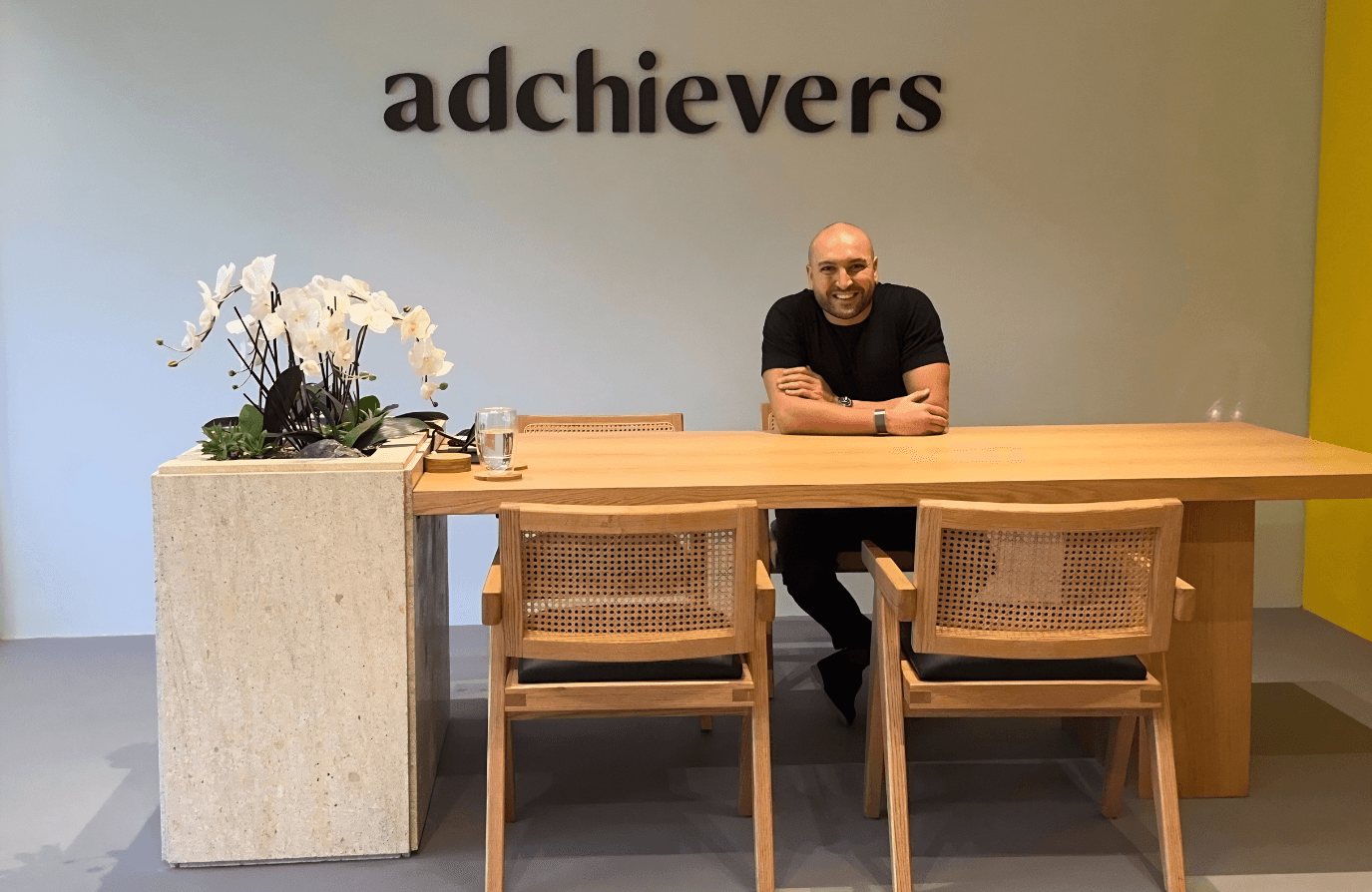
Buying a car from a United States auction and getting it onto a Lebanese road is a chain of decisions, and almost every link in that chain is a place where a buyer can lose money. The listing can describe a vehicle that does not match what arrives. A car marked as running can turn out to be something else. Costs tied to customs can land far higher than expected. Zero to Sixty was built by a founder who went through all of it himself.
The Jounieh based company was founded in 2024 by Elias Ziadeh, who serves as CEO. It sources, inspects, purchases and imports vehicles from U.S. auctions for individual buyers in Lebanon. In 2026 alone it has shipped more than 80 vehicles across the Atlantic.
The Import Problems Elias Ziadeh Ran Into First
Ziadeh did not start with a business plan. He started as a buyer. He dealt with misleading vehicle descriptions, with "Run and Drive" cars that did not match what he expected, and with customs related costs that arrived unexpected and inflated. Underneath all of it sat a broader issue: parts of the local market simply were not transparent about what a buyer was actually getting.
"Run and Drive" is auction language. It means the vehicle started and moved under its own power when it was checked in at the lot. Buyers often read it as a promise about condition, which it is not, and that gap between what the label says and what the car is has cost plenty of importers money.
That experience gave him a clear brief for a company. A buyer in Lebanon should be able to import a vehicle from the United States without having to manage the entire process alone, and without discovering the real cost only after the car has already landed.
What Zero to Sixty Actually Does for a Buyer
The service is built around the individual customer rather than a fixed package. It begins with vehicle sourcing and auction assessment, which is the stage where a car is either worth bidding on or quietly avoided. From there the company handles bidding and purchase coordination, then the shipping leg from the United States to Lebanon.
The company describes its scope as A to Z: from the moment a customer requests a specific car to the moment that car is delivered to their door. The customer does not have to sit across multiple parties in two countries and hope the pieces line up.
Careful vehicle assessment sits at the center of it. Auction listings are the point where most import stories go wrong, so the inspection work happens before the money moves, not after the container arrives.
Because the service is tailored to each customer's needs rather than sold as one fixed product, the starting point changes from person to person. Some buyers arrive knowing the exact make, model and year they want. Others know their budget and little else and need the sourcing stage to narrow the field for them. The work of assessing an auction lot is the same in both cases, but the conversation that precedes it is not.
Who Ends Up Importing a Car This Way
Zero to Sixty works with individual customers rather than dealerships buying in volume. That changes what the job requires. A dealer importing 20 units can absorb a bad lot. A person importing one car cannot, because that single vehicle is the whole purchase and any surprise in condition or cost lands entirely on them.
It also explains why the company handles the process end to end instead of selling sourcing as a standalone service. A first time importer has no reason to know which auction listings are worth trusting, how bidding is coordinated, or what happens to a vehicle between a U.S. lot and a Lebanese port. Handing that to one party who owns every step removes the seams where things usually break.
The Price Gap That Makes It Worth Doing
The reason customers take on an international purchase at all is price. Zero to Sixty says buyers can end up paying up to 40 percent less by sourcing a car through U.S. auctions than they would through other routes.
That gap only holds if the rest of the process is honest. A discount on the purchase price disappears quickly if the vehicle condition was misrepresented or if the landed cost turns out to be far above what the buyer budgeted for. This is why the company's pitch is built on transparency and competitive pricing together rather than price alone.
The WhatsApp Room With 3,000 Members
Alongside the import service, Zero to Sixty has built one of Lebanon's largest automotive communities on WhatsApp. It passed 3,000 members within three months.
The group is not a static announcement channel. Members receive vehicle opportunities, market insights and auction guidance, along with the deals the company flags as worth moving on quickly. For a buyer who is not ready to import yet, it functions as a window into what cars are actually available and what they actually cost.
It also does something for the business that advertising cannot. Three thousand people watching the same feed of vehicles creates a running record of what the company is sourcing and at what price, which is a hard thing to fake in a market where trust is the scarce resource.
Eighty Vehicles, One Year
The 2026 shipping figure of more than 80 vehicles is the clearest measure of where the company stands. Each of those cars represents a customer who agreed to send money abroad for a vehicle they had not yet seen in person, which is a decision that only gets easier when the company on the other end has done it repeatedly and correctly.
Two years on from launch, the company's stated priorities have not moved from where Ziadeh set them: transparency, competitive pricing and careful vehicle assessment, applied to a process that most buyers only go through once or twice in their lives.
"From the first bid to the final drive, trust comes first," Ziadeh says.
The Investment Platform Ziadeh Is Building Next
The next stage for the company moves past importing cars for people who want to drive them. Ziadeh is preparing an automotive investment platform that would give investors access to curated vehicle and rental fleet opportunities.
The structure he describes is asset backed, which means each investment is tied to specific vehicles rather than to the company in general, and returns are shared from the revenue those vehicles produce. It carries over the principle the import business already runs on: the person putting up the money can see exactly what they are putting it into.
It also builds on work the company does daily. A business that already assesses auction lots and knows what a vehicle costs to land in Lebanon is doing most of the analysis an investor in a rental fleet would need.
Follow Zero to Sixty for current vehicle listings and auction deals.