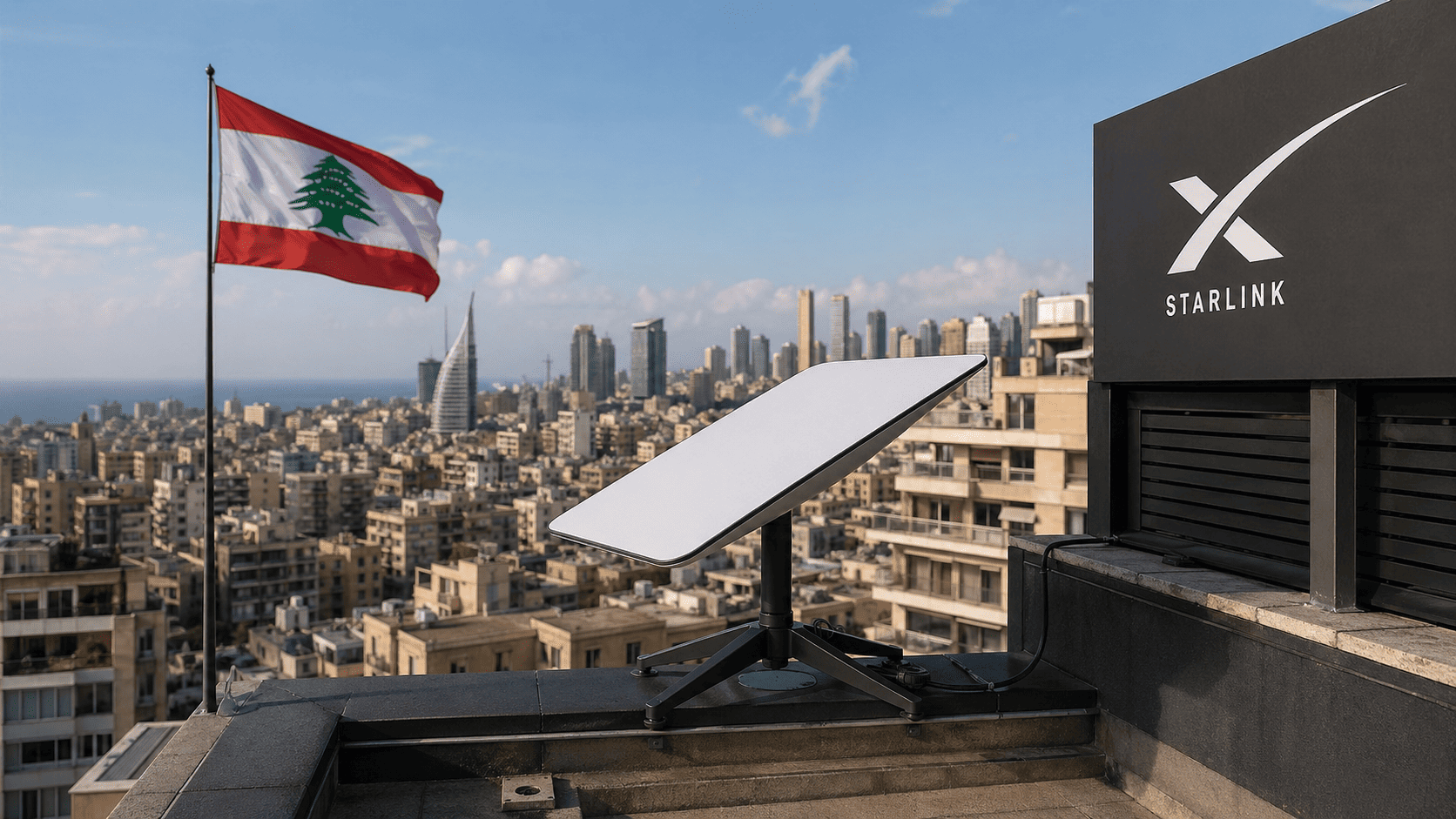
The business-only restriction is intentional. It protects the local ISP market while giving Lebanese companies a reliable backup connection, one that works independently of the country's aging terrestrial infrastructure. Starlink's 10-gigabit capacity covers roughly 1% of Lebanon's estimated 750-gigabit national consumption, so this is a supplement, not a replacement.
Why It Matters for Lebanese Companies
Lebanon's internet has long been a bottleneck for business. Power outages, unreliable DSL, and infrastructure gaps have pushed some companies to relocate back-office operations abroad. Starlink offers a direct workaround: a satellite connection that stays online regardless of what happens on the ground.
For companies operating in remote areas, from the Bekaa Valley to south Lebanon, the service fills a real gap. Businesses that depend on video conferencing, cloud tools, or remote collaboration will finally have a connection that does not drop when the grid does.
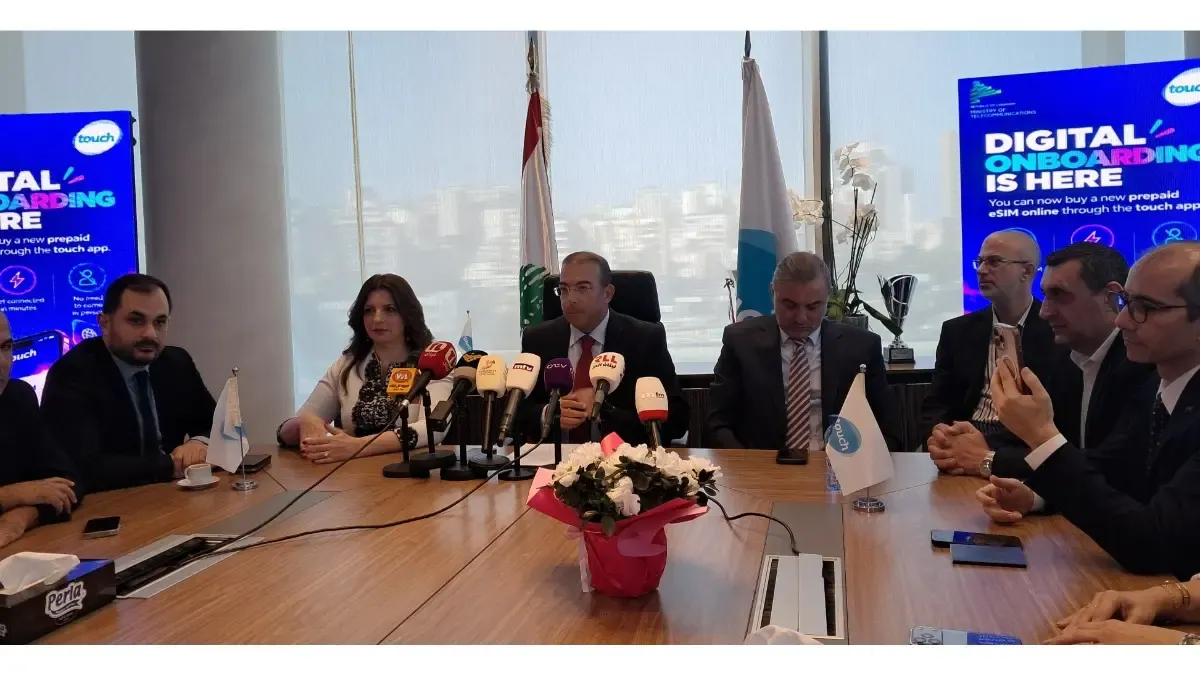
Economy Minister Amer Bisat has publicly backed a fast rollout as part of his "Ease of Doing Business" initiative. Telecom Minister Charles Hajj, who led the negotiations with SpaceX, has framed the project as a step toward modernizing Lebanon's digital economy.
How Lebanese Businesses Can Apply for Starlink
If your business wants to get connected when the service goes live in mid-May, here is what to do.
Step 1: Visit the Starlink website. Go to starlink.com/business to check availability and explore business plans. Lebanon is listed on the Starlink coverage map as a supported market.
Step 2: Place a preorder or order. Select the Business (Priority) plan. You will need to enter your business address in Lebanon and provide payment information. Preorders require a deposit that is applied to your first invoice.
Step 3: Purchase the hardware kit. Starlink requires proprietary equipment, including a satellite dish, a Wi-Fi gateway, a power supply, and cables. Business kits are priced separately from the monthly subscription. The kit is designed for self-installation and can be set up in under 30 minutes.
Step 4: Install and activate. Once your kit arrives, install the dish with a clear view of the sky, ideally on a rooftop or elevated surface. Power it on, connect to the gateway, and complete activation through the Starlink app. The app also handles account management, billing, and support tickets.
Step 5: Ensure your business is eligible. Under the TRA's licensing terms, Starlink in Lebanon is authorized for commercial entities, ships, and aircraft. Residential use is not currently permitted. Make sure your registration aligns with the business-only requirement to avoid service interruptions.
Businesses that already placed preorders through starlinklebanon.com are expected to be among the first to receive equipment and activation once the mid-May launch date arrives.
The Road Here Was Not Smooth
The Starlink file has been contentious. Seven local ISPs, including Terranet, Cable One, and Inconet, signed a joint letter of objection to the government. They warned that Starlink could draw away 25% of their corporate client base and cut their revenue by 27%. Two of those companies, Cable One and Terranet, filed a formal appeal with the State Shura Council in November 2025 to annul the license decree.
Their arguments centered on three points: that the license should have required parliamentary approval, that Starlink bypasses the state-owned bandwidth purchasing system that local ISPs must follow, and that the company stores communications data in Qatar rather than Lebanon, raising surveillance and compliance concerns.
Despite the pushback, the government pressed forward. The Cabinet fast-tracked the decree in part because Eutelsat was also preparing to enter the Lebanese market, and officials wanted Starlink operational first.
Mid-May 2026 marks the end of a process that began informally in 2021, when Starlink first listed Lebanon on its availability map with a tentative 2022 launch. That date came and went. So did several others. This time, with a signed decree, a TRA framework, and preorders already live, the launch looks real.