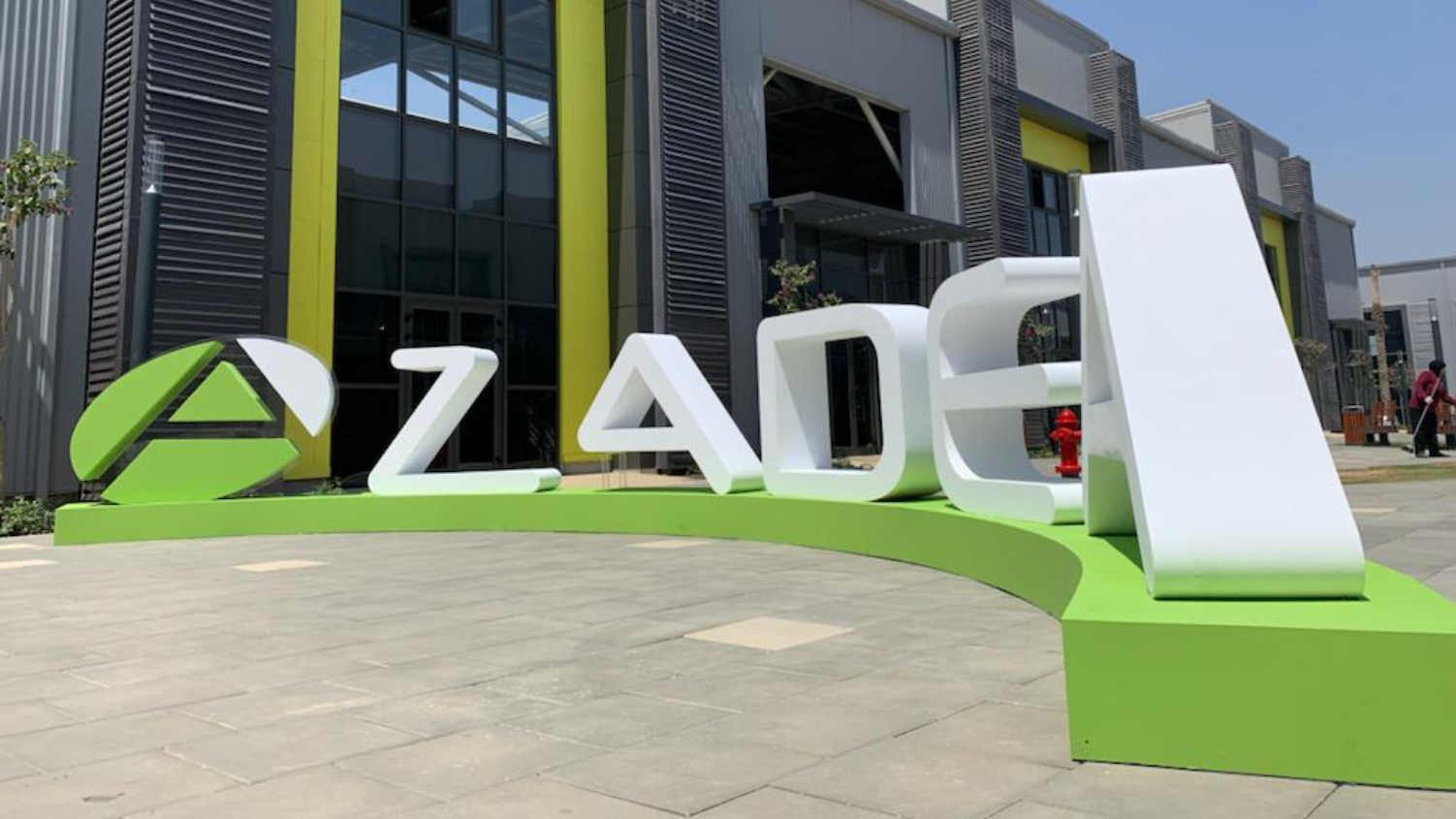
Azadea is one of the region’s largest lifestyle retail operators—not because it owns brands, but because it executes franchised retail at scale: rollout discipline, staffing, logistics, real estate selection, and consistent customer experience across markets. The group says it operates 842+ stores, employs 14,390+ people, and runs 40+ international franchise concepts across 15 countries, including Lebanon.
What Azadea is
Azadea Group is a lifestyle retail operator built on a franchise model: it partners with international brands, then runs the full retail machine—store operations, staffing, training, supply chain, merchandising, and market expansion—across the Middle East and Africa.
Unlike a pure “brand house,” Azadea’s edge is execution at the messy layer where retail succeeds or fails: getting the right store in the right mall, with the right people, inventory, and operating standards—consistently, across countries.
Scale (verified quick facts)
From Azadea’s official “Who We Are” page:
40+ international franchise concepts
842+ stores
14,390+ employees
15 countries, including Lebanon, UAE, Saudi Arabia, Qatar, Kuwait, Jordan, Egypt, Oman, Bahrain, Iraq, and others listed by the group (Algeria, Cyprus, Ivory Coast, Ghana, Kenya).
Headquarters: Beirut (Jnah), Lebanon.
Note: You may see different numbers on LinkedIn or third-party directories—common for large employers due to update timing and counting methods. The figures above are from Azadea’s official disclosures.
How it got here: a timeline that matters
Azadea traces its origin to 1978 and highlights milestone franchise partnerships that shaped its platform:
1983: first franchise (MaxMara)
1998: Zara partnership
2001: Virgin Megastore partnership
2003: Paul partnership
2011: Decathlon partnership
2012: GAP partnership
2013: Eataly partnership
2014: Old Navy partnership
These aren’t just brand names—they show how Azadea built a long-term operating reputation strong enough for repeated global franchisors to trust it with rollout.
Why Azadea is strategically important
1) It’s a retail operating machine
Azadea’s model is repeatability. Running 40+ concepts across categories requires:
standardized store rollout playbooks
training systems and workforce pipelines
procurement and distribution capabilities
consistent execution across very different consumer markets
That’s why operators like Azadea matter: they’re the infrastructure that turns “a brand” into “a regional business.”
2) Diversification is the risk hedge
Azadea operates across fashion, food & beverage, home furnishings, sporting goods, lifestyle and beauty/cosmetics. This diversification reduces exposure to any single consumer cycle or category downturn.
In practice, that portfolio structure lets a group manage volatility by shifting emphasis—where one category slows, another may compensate.
3) Lebanon relevance: one of the few Lebanese-rooted groups that stayed competitive
Azadea’s continued footprint in Lebanon is not a small detail. Lebanon is a high-friction environment for retail—currency distortion, logistics complexity, and weaker consumer predictability.
Yet Azadea continues to position Lebanon as a market where it can still run premium retail experiences. Its own media updates show ongoing brand activity in Beirut (e.g., Beirut Souks reopenings and launches).
Founder/operator lesson: resilience isn’t just capital. It’s systems—supply, staffing, and standardized execution that can survive shocks.
Brands people recognize (verified examples)
Azadea’s own timeline confirms partnerships with: Zara, Virgin Megastore, Mango, MaxMara, Paul, Decathlon, GAP, Old Navy, Eataly.
Its Lebanon retail activity announcements also reference brands such as Massimo Dutti, Pull&Bear, Bershka, Oysho, adidas, Calzedonia.
(For the full brand roster, we can pull directly from Azadea’s category pages if you want a complete “brand map” section.)
What to watch in 2026
If you’re tracking retail and consumer business in Lebanon and the region, Azadea is a useful benchmark for:
How regional operators allocate capital and rollout capacity
Which consumer categories get more shelf spac
How Lebanon’s retail standards and supply chains remain connected to GCC retail ecosystems
For Lebanon’s startup ecosystem, the adjacent insight is practical: if you’re building retail tech, logistics tech, workforce tooling, loyalty or payments—Azadea is the kind of operator your product must ultimately work for.
 Azadea Group