The Marketer Who Decided to Sell His Own Idea
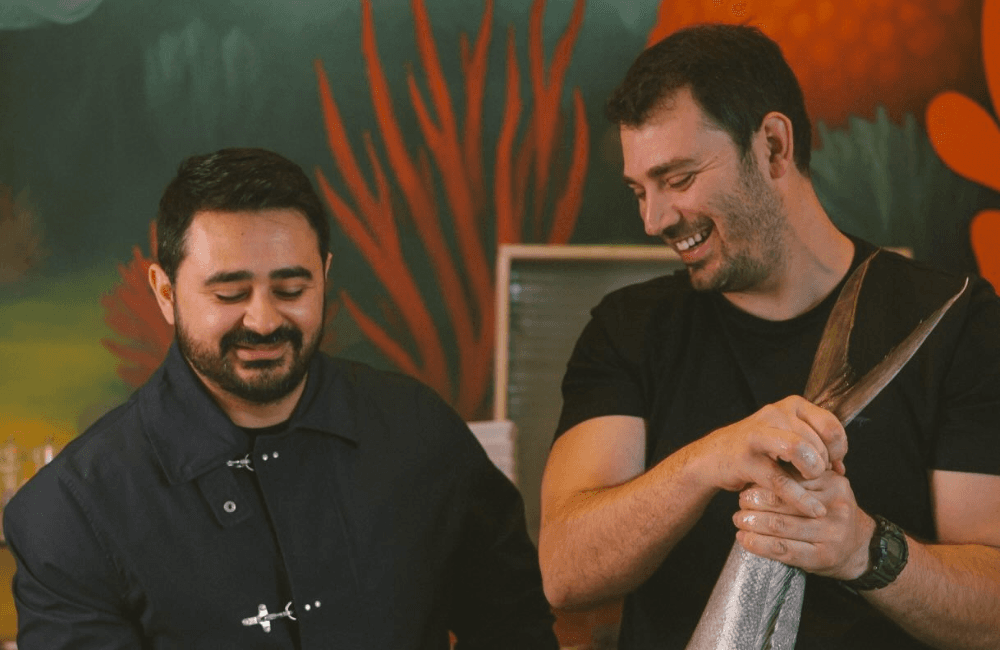
Selim Yasmine spent years selling other people's brands. He started in advertising, moved into the wine and spirits trade with one of Lebanon's largest distributors, then spent stretches in Dubai and Beirut working in real estate. When he came home for good and looked at the local wine scene, he saw a country with dozens of wineries scattered across festivals, dinner parties, and small shops, but no single place where someone could find them all. So he built one.
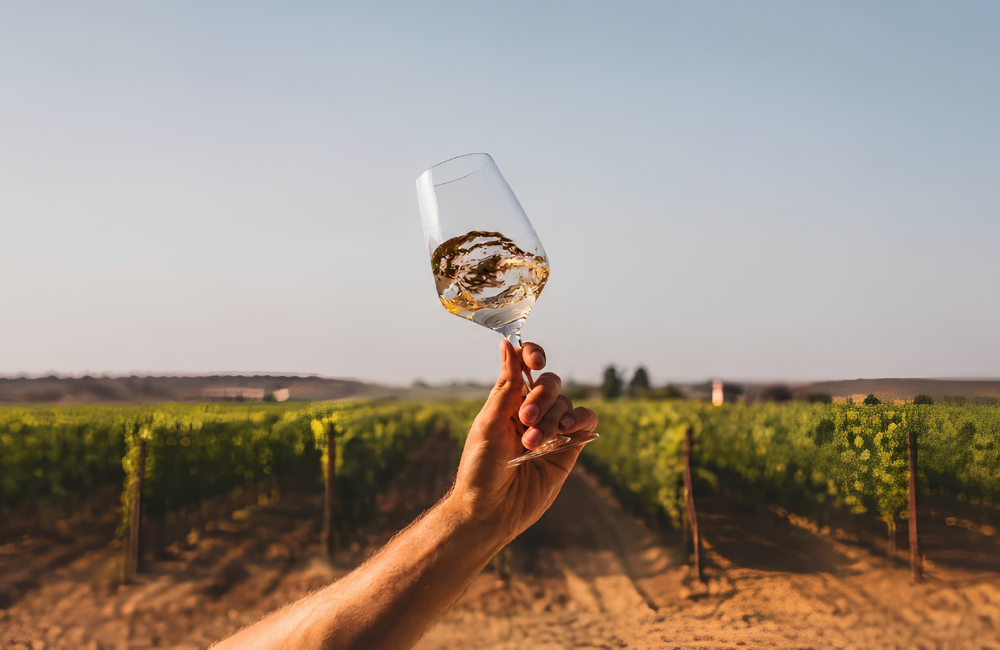
That platform is 209 Lebanese Wine, an online marketplace for Lebanese wine that hosts 60 wineries from across the country. Yasmine built it to do for the local wine industry what no traditional retailer had pulled off, which was to put it all on one shelf with prices, descriptions, food-pairing notes, and home delivery attached.
How the Name Works
The name is a marketing in-joke. 209 is the Pantone reference for the deep red of red wine, the colour that lands in the glass when a bottle is poured. Yasmine, a marketer by training, picked it as a quiet nod to his old craft.
Inside the Online Sommelier
At its core, 209 Lebanese Wine is an e-shop and an online sommelier in one. Shoppers can filter by winery, grape, occasion, or budget, then get suggestions on which bottle to open with which dish. A blog and a long list of wine accessories sit alongside the catalogue.
The list of producers stretches from Lebanon's larger estates to small, family-run boutique wineries that mostly sell at the cellar door or through personal contacts. Yasmine's pitch to those smaller estates was simple. They were not set up to run their own marketing or distribution, and 209 could put them in front of buyers they would never reach on their own.
A Bet on Boutique Lebanese Wine
Yasmine is bullish on the country's terroir. He points to the climate, the soil, the centuries of know-how, and a generation of small landowners turning to vines instead of traditional crops. Those boutique wineries cannot compete on volume, so they compete on quality, and 209 lists them next to the larger labels in the same checkout.
Early Numbers from the Cellar
By the time Yasmine sat for an interview with Berytech in 2019, the platform was moving roughly 15,000 bottles a year, with sales doubling year on year, and pulling around 150,000 visitors annually. Most buyers were inside Lebanon, but the shop had already shipped to customers as far as Korea. The harder problem, he said at the time, was conversion: Lebanese shoppers were curious about buying wine online but slower to commit than European ones.
The Team Behind 209
Yasmine runs the company with two partners. Paul Eid is the managing partner, and Katia Yasmine is a partner in the business. 209 is an alumnus of Berytech's Agrytech accelerator, where it joined the first batch in 2017 and made it through to the third phase, and a member of the QOOT Agri-food Innovation Cluster.
Where the Cellar Goes Next
Europe has long been the next market on Yasmine's map. He has cited higher e-commerce conversion rates outside Lebanon and a growing global curiosity for wines beyond the usual French, Italian, and Spanish names. The plan he laid out was to tighten the Lebanese operation first, then export from a confident base.
For now, that base is one website, one cellar, and 60 Lebanese wineries that no longer have to be discovered one festival at a time.
Browse the full catalogue at 209 Lebanese Wine.