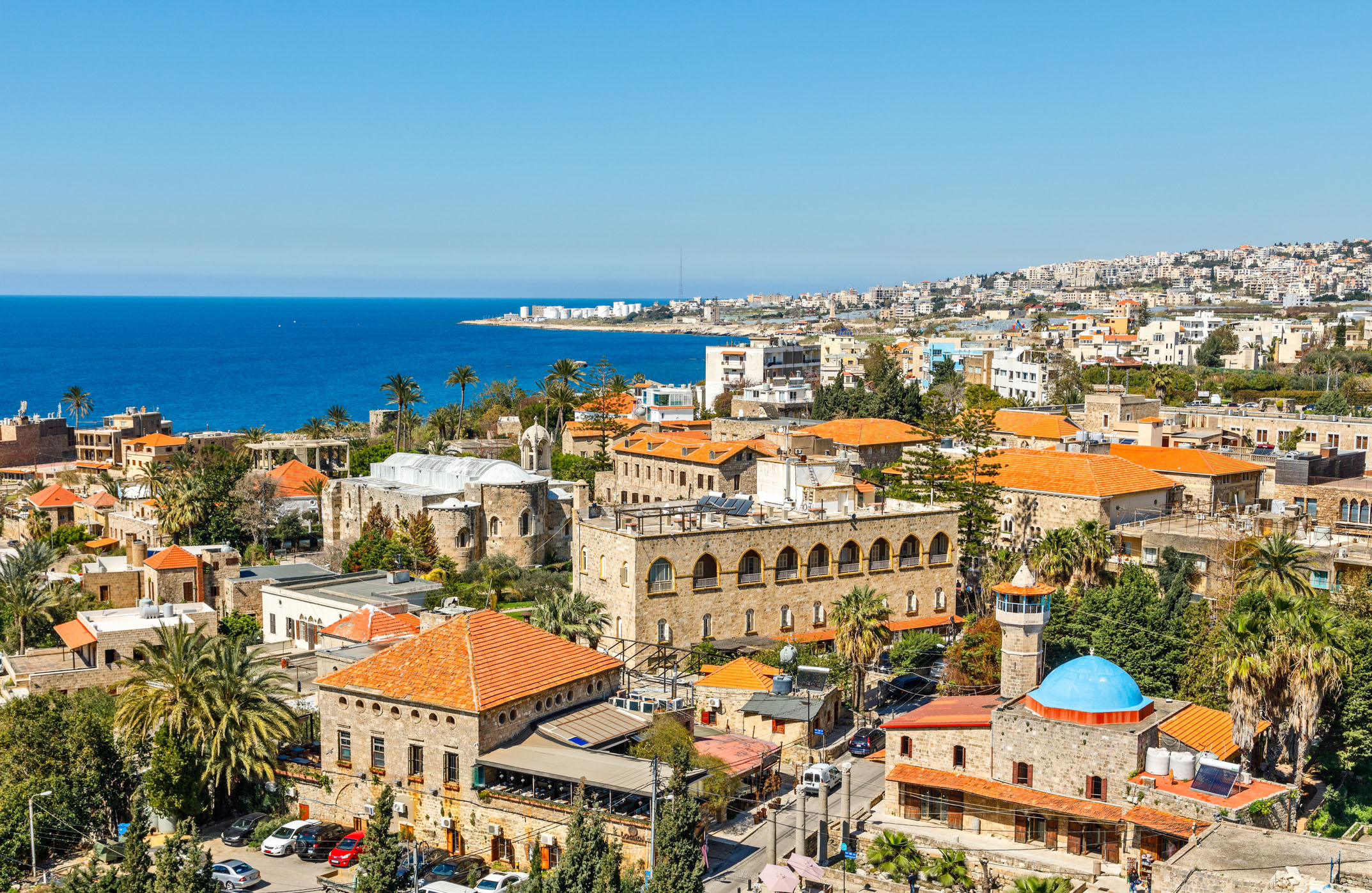
Lebanon covers less than 11,000 square kilometers, yet inside that footprint a traveler can ski in the morning, swim in the Mediterranean by afternoon, and eat dinner inside a city that has been inhabited for more than 7,000 years. Tourism has long been one of the country's most resilient sectors, and the calendar of festivals, food, and outdoor seasons gives visitors a rare variety of experiences in a small geography. For travelers weighing where to go next, here are ten reasons Lebanon earns a place on the shortlist.
1. A Continuous Civilization Stretching Back Seven Millennia
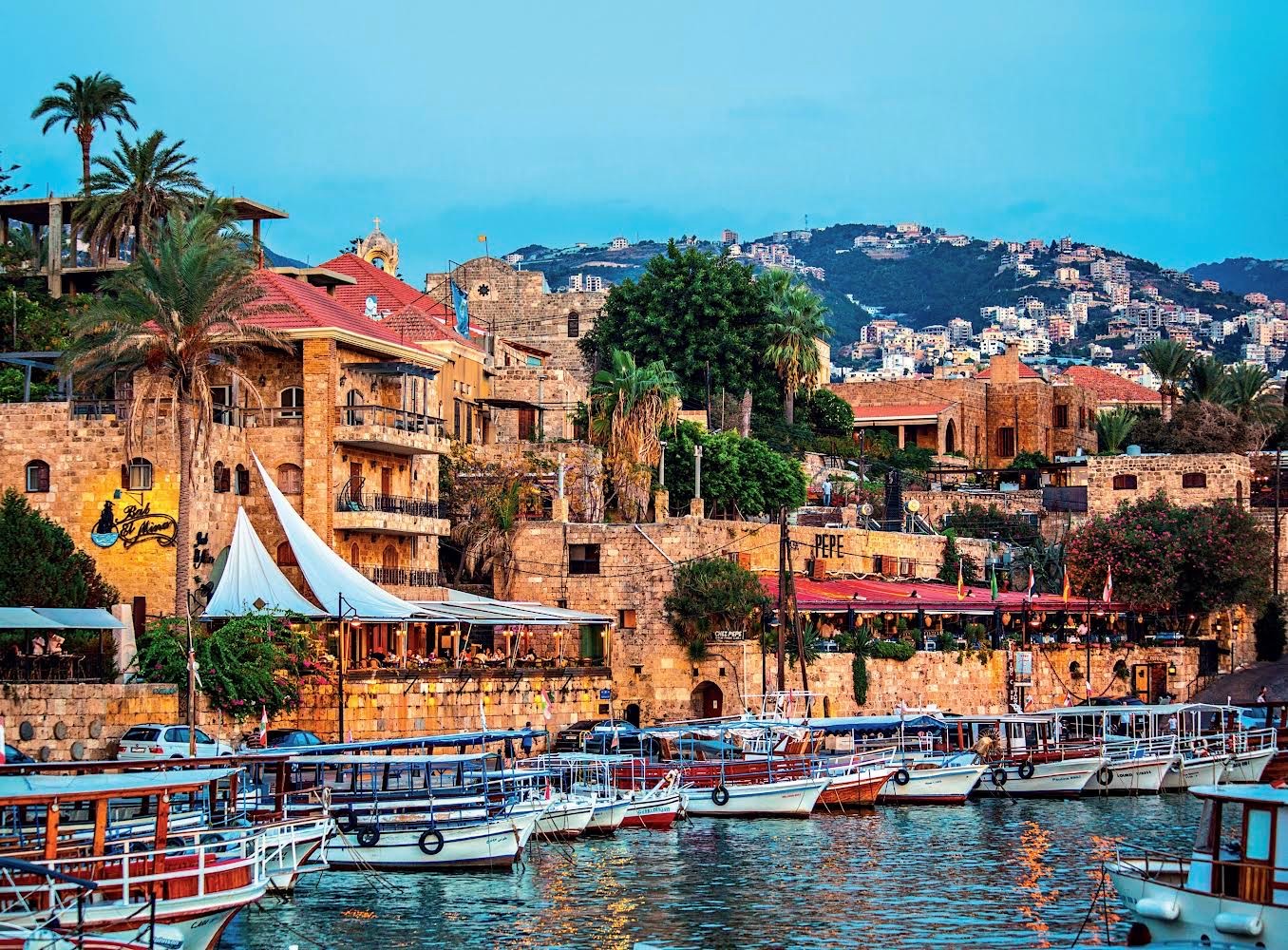
Byblos, on the northern coast, is one of the oldest continuously inhabited cities in the world, with Phoenician, Roman, Crusader, and Ottoman layers stacked on a single site. South of Beirut, Sidon and Tyre hold archaeological zones tied to the Phoenicians who built Mediterranean trade routes. Byblos, Tyre, and Anjar are all UNESCO World Heritage sites. History here is not behind glass. It sits in open-air ruins you can walk through.
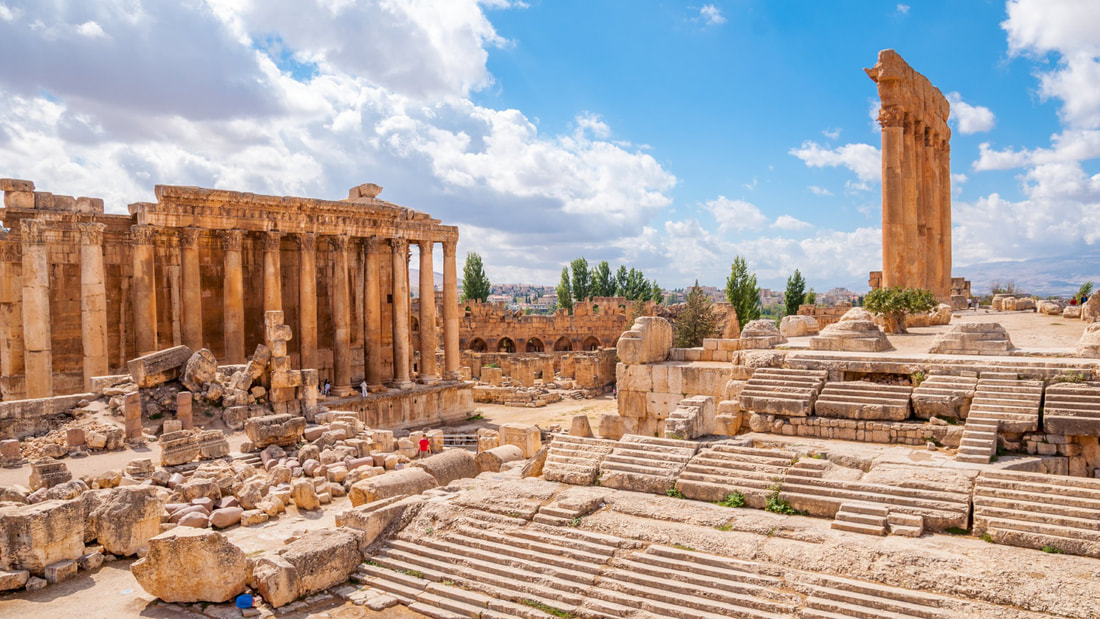
2. Baalbek's Roman Temples Are on a Scale Few Sites Can Match
The temple complex at Baalbek, in the Bekaa Valley, contains some of the largest Roman ruins anywhere. The Temple of Jupiter once carried columns more than 20 meters tall, and the Temple of Bacchus remains one of the best-preserved Roman temples standing today. UNESCO inscribed the site in 1984. When the Baalbek International Festival runs, opera and orchestral performances are staged inside the ruins themselves.
3. Skiing and Swimming on the Same Day
Lebanon is one of the few countries where a traveler can ski in the morning and reach the coast within a couple of hours. Mzaar Kfardebian, the largest ski resort in the Middle East, and The Cedars in the north offer dozens of slopes, with a winter season that typically runs from December into April. Two mountain ranges parallel to the coast make this geography possible. The country's footprint is small enough that the contrast is genuinely a same-day trip.
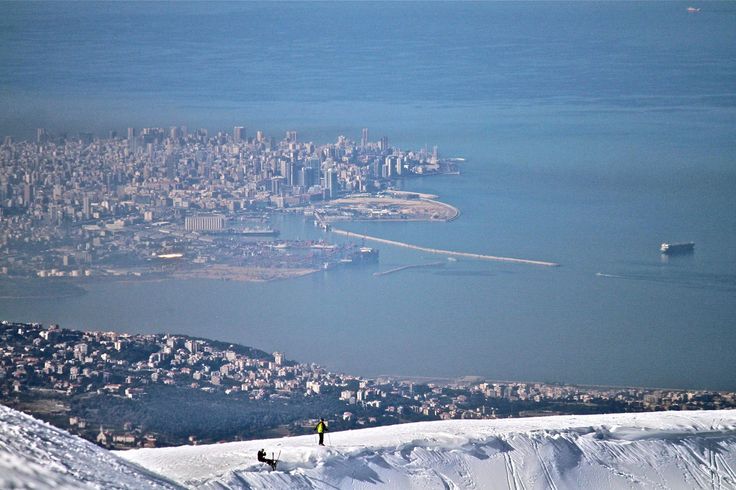
4. A Food Culture That Travels Better Than Most
Mezze, tabbouleh, kibbeh, fattoush, hummus, and labneh are the staples, but the depth of regional variation surprises most first-time visitors. Northern villages cook differently from the Bekaa, and Beirut differs again. Restaurants like Tawlet, which rotates village cooks weekly, have helped put traditional Lebanese cooking on the global map. Food is the social anchor of Lebanese life, not a side experience.

5. The Cedar Trees That Built Phoenician Ships
The Cedars of God grove in the Kadisha Valley holds some of the oldest cedar trees in Lebanon, several reported to be more than 1,000 years old. The cedar appears on the national flag and is referenced in the Old Testament and the Epic of Gilgamesh. The surrounding Kadisha Valley, also a UNESCO site, contains monasteries carved into cliff faces dating back to the early Christian era. Few hiking routes anywhere combine forest, gorge, and religious heritage as densely.
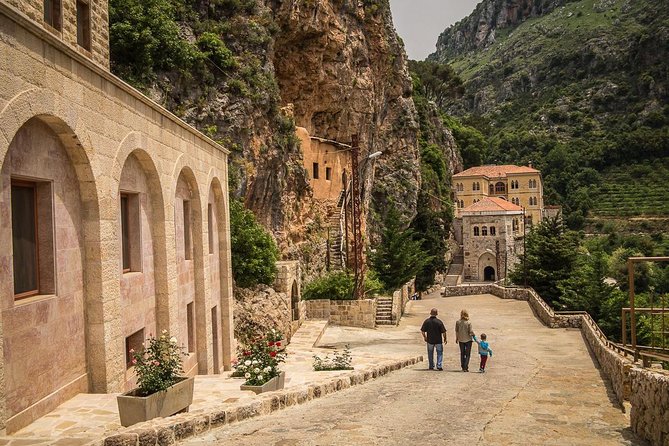
6. A Wine Industry Older Than Most of Europe's
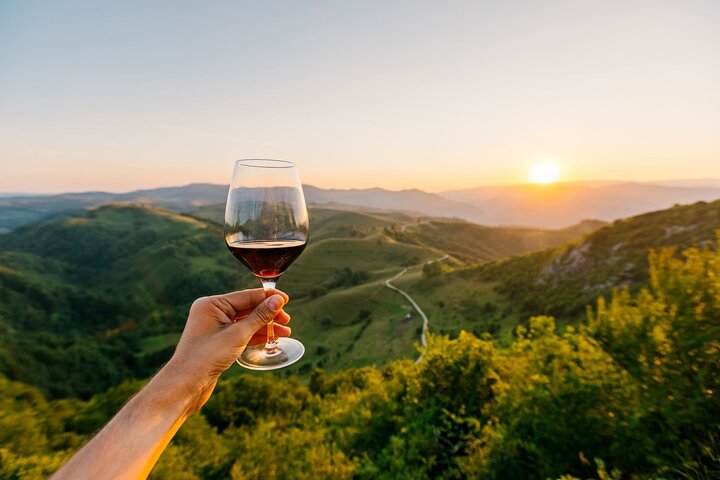
The Bekaa Valley has produced wine for thousands of years, with Phoenician traders exporting it across the Mediterranean long before the Romans. Modern producers including Château Ksara, Château Musar, and Domaine des Tourelles ship to dozens of countries and host visitors year round. Several wineries sit on land with active Roman-era cellars or stone wine presses. Tastings often come with lunch on a terrace looking across the valley.
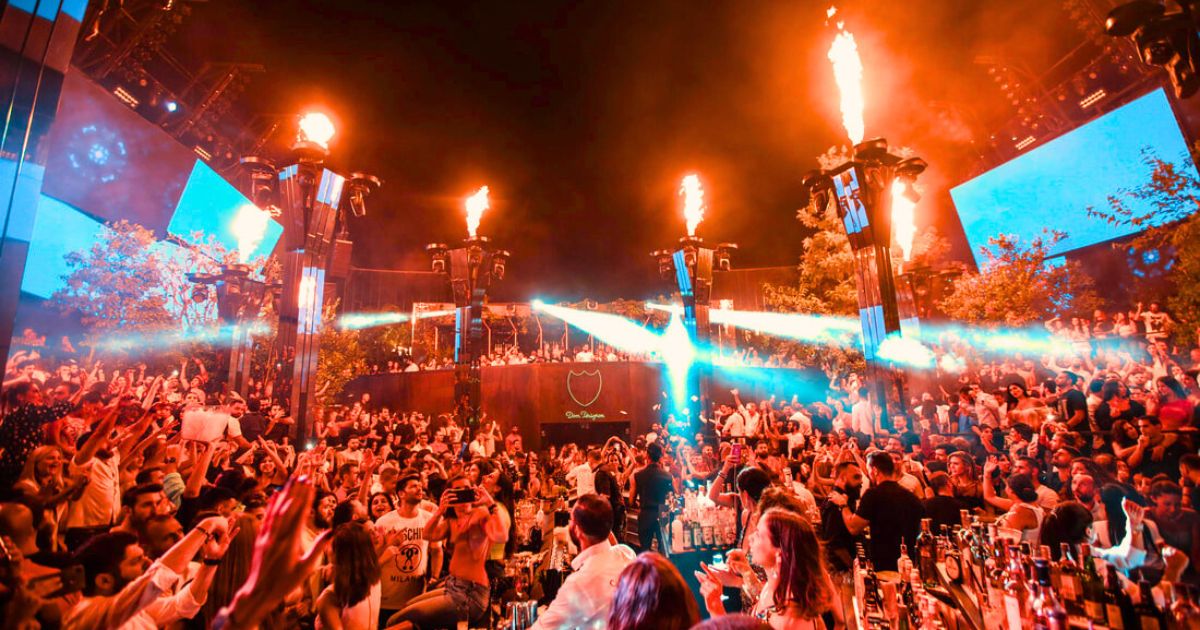
7. Beirut's Nightlife Is Built to Outlast Disruption
Beirut has long been one of the most active nightlife cities in the Eastern Mediterranean, with rooftop bars, beach clubs, and underground venues clustered around Mar Mikhael, Gemmayzeh, and Badaro. The scene has been rebuilt many times, and the bars and clubs continue to draw weekend traffic from across the region. Live music, electronic events, and late-night restaurants typically run well past 2 a.m. Few cities of Beirut's size run such a deep social calendar.
8. Mountain Villages Built for Slow Travel
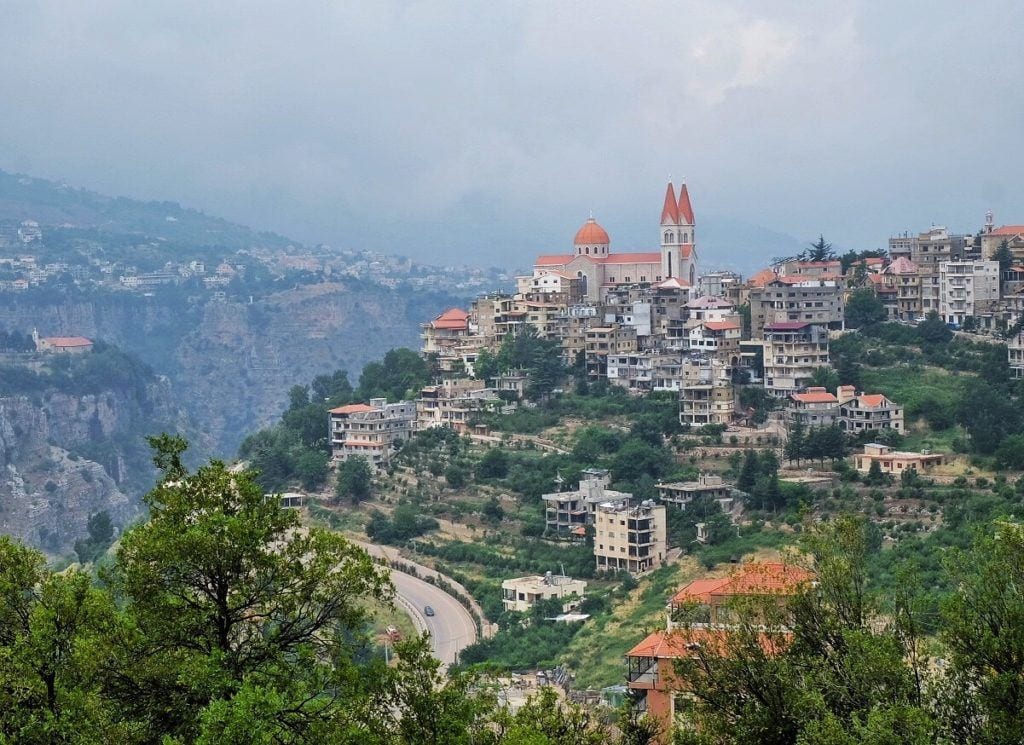
Beyond the coast, hundreds of villages sit across Mount Lebanon, the Chouf, and the north. Towns like Deir el Qamar, Beiteddine, Bcharre, and Ehden hold stone architecture, Ottoman-era palaces, and family-run guesthouses. The Lebanon Mountain Trail runs roughly 470 kilometers from Andqet in the north to Marjayoun in the south, threading through dozens of villages along the way. Hikers can walk a single section or attempt the full route over several weeks.
9. Religious Sites Across Multiple Faiths in One Small Country
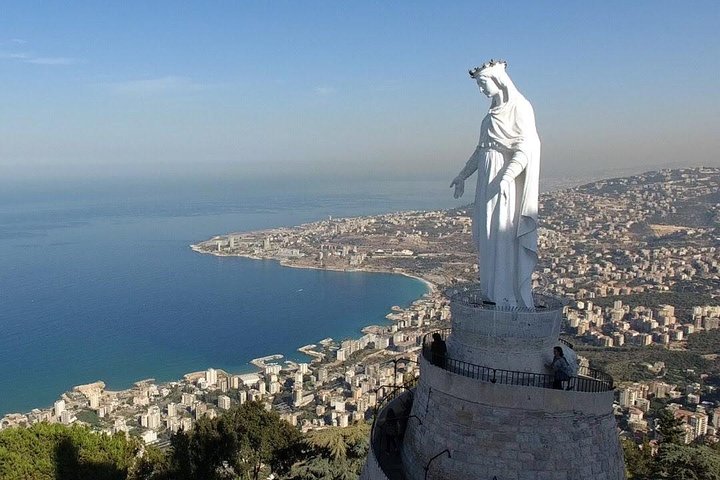
Lebanon recognizes 18 official religious sects, and that diversity is visible across its sacred sites. Our Lady of Lebanon at Harissa, the Mohammad Al-Amin Mosque in downtown Beirut, the Maghen Abraham Synagogue, and the Maronite monasteries of the Kadisha Valley all sit within short drives of one another. Pilgrimages from Christian, Muslim, and Druze traditions cross the same mountain roads. Few countries this size hold so concentrated a religious geography.
10. Hospitality That Functions as a Cultural Code
Lebanese hospitality is not a tourism slogan. Visitors invited into homes are routinely served coffee, sweets, and full meals within minutes of arriving, and refusing food is considered impolite. The phrase "ahla wa sahla" carries real weight, and it shapes how strangers are treated in restaurants, taxis, and shops. For many travelers, that warmth is the part of the trip they remember longest.
Practical Notes for Planning a Visit
Beirut Rafic Hariri International Airport is the main entry point, served primarily by Middle East Airlines alongside various regional and international carriers.
Many nationalities can receive a tourist visa on arrival, though terms vary by passport, and travelers should confirm current entry rules before booking. Travel advisories should also be checked, as security conditions in Lebanon can shift.
For visitors planning around the country's calendar, late spring and early autumn deliver the most reliable weather across both the coast and the mountains.