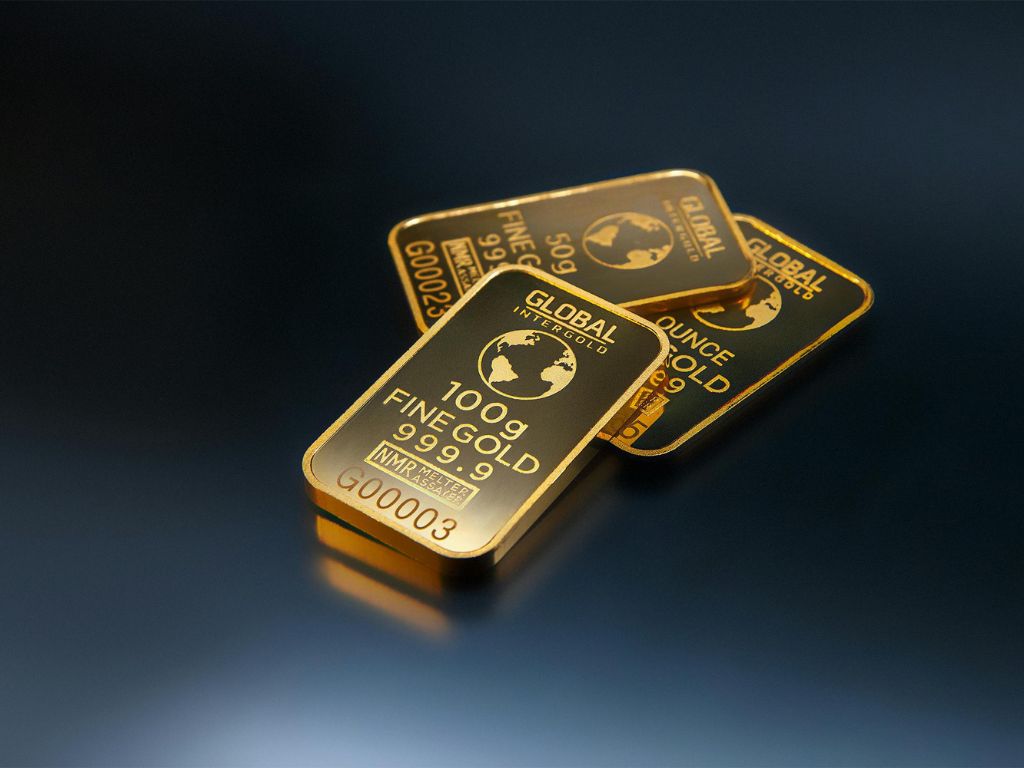
Gold has historically surged during crises. Investors turn to it when markets become unstable, inflation rises, or geopolitical tensions escalate. Yet recent market behavior shows a surprising trend. Gold prices have softened even as global uncertainty persists.
This contradiction has raised questions across financial markets. The answer lies in a combination of macroeconomic forces that now outweigh traditional safe-haven demand.
Interest Rates Are Reshaping Demand
The most significant factor behind gold’s decline is the rise in global interest rates, particularly in the United States.
Gold does not generate income. It does not pay interest or dividends. When central banks, especially the U.S. Federal Reserve, raise interest rates, investors shift toward yield-bearing assets such as government bonds.
Higher rates increase the opportunity cost of holding gold. As a result, demand weakens, and prices face downward pressure.
The Strength of the U.S. Dollar
Gold is priced globally in U.S. dollars. A stronger dollar makes gold more expensive for investors using other currencies, which reduces international demand.
Recent monetary tightening has strengthened the dollar significantly. This has created an additional headwind for gold prices, even during periods of instability.
Liquidity Pressures and Cash Preference
During certain crises, investors do not always seek gold first. Instead, they prioritize liquidity.
Market participants often sell assets, including gold, to raise cash or cover losses elsewhere. This behavior became evident during previous financial shocks and continues to influence markets today.
Central Banks and Market Positioning
Central banks remain long-term buyers of gold, but short-term price movements depend heavily on financial markets.
Institutional investors, hedge funds, and traders react quickly to interest rate signals and currency movements. Their positioning can drive short-term declines even if long-term fundamentals remain supportive.
Key Drivers Behind Gold’s Decline
Rising global interest rates
Strong U.S. dollar
Shift toward yield-generating assets
Increased demand for liquidity
Short-term institutional positioning
Is Gold Losing Its Role?
Gold is not losing its status as a safe-haven asset. Instead, its behavior is evolving.
In the current environment, monetary policy dominates market direction. Investors now weigh interest rates and currency strength more heavily than geopolitical risk alone.
Gold may still perform during prolonged instability, especially if interest rates stabilize or decline. Until then, competing financial forces continue to limit its upside.