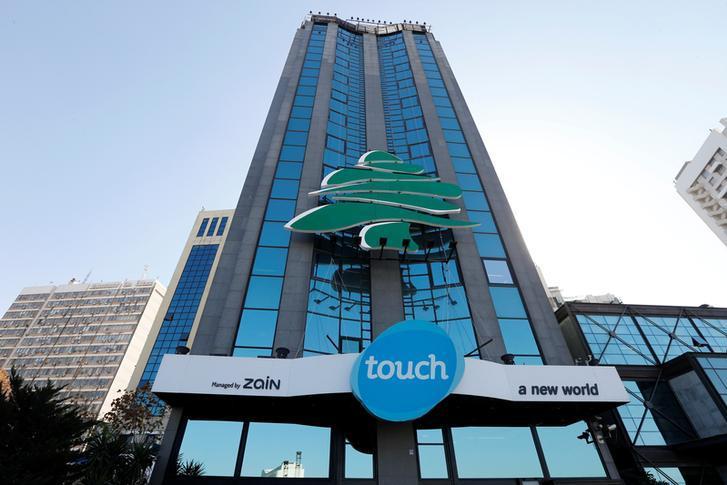
Lebanon's two mobile operators are not the close rivals their marketing might suggest. Touch brought in $265.5 million in revenue, while Alfa earned $104.9 million, according to figures published in May 2026 by data provider ZoomInfo. That puts Touch ahead by more than two and a half times.
The gap is notable because the two companies operate as a duopoly. They are the only mobile and data providers in the country, and both are owned by the Lebanese government. Customers choosing between them are, in effect, choosing between two networks the state controls.
How Both Networks Ended Up Under the State
Neither operator was always run by the government. Touch was managed by the Zain Group until May 2020, and Alfa's day-to-day operations were handled under a separate private contract. When those arrangements ended in 2020, the Ministry of Telecommunications took over direct management of both networks.
That public management has continued for nearly six years. Alfa came under ministry supervision in September 2020 and Touch the following month. The setup was meant to be temporary, a bridge until the state could line up new operators through a competitive process.
The Tender That Keeps Being Promised
That process is now back on the table. Telecommunications Minister Charles Hajj has reported plans to launch an international tender for the management and operation of the two networks, asking the government for approval to take the legal and administrative steps required. The aim is to bring experienced operators back in to run the networks the state currently manages itself.
Lebanon has reached for a mobile tender before. A version was floated for September 2020 and never produced a lasting result, which is part of why the temporary management arrangement has lasted as long as it has. The revenue split between Touch and Alfa gives bidders a clear sense of what each network is worth before any offers are filed.
What the Revenue Gap Tells Bidders
A company weighing a bid for either network would read the $265.5 million and $104.9 million figures closely. Touch is the larger commercial prize, but a wider gap can also signal room to grow on the Alfa side if a new operator can close the distance. The numbers turn an abstract duopoly into two assets with very different price tags.
Alongside the tender talk, Hajj has launched a three-year plan to upgrade the networks and roll out 5G across the country, working with both Touch and Alfa. The two operators have also started sharing infrastructure, activating data national roaming between their networks to improve coverage.
The revenue figures arrive at a moment when the future ownership and management of both networks is genuinely in play. Whoever ends up running Touch and Alfa will inherit a market where one network already earns more than twice the other.
 Alfa
Alfa Touch
Touch