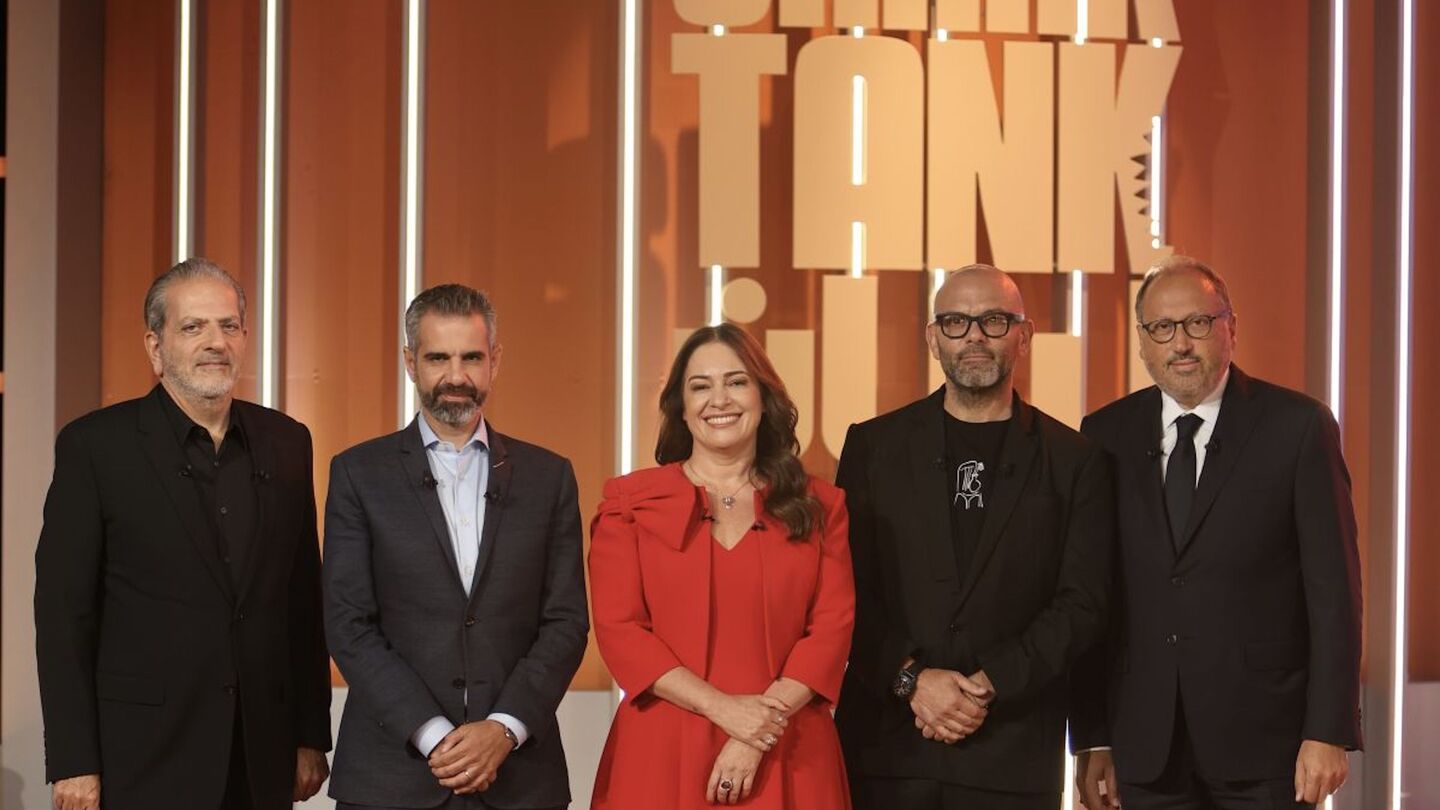
Shark Tank Lebanon has officially launched on LBCI, bringing the global startup-pitch format to Lebanese prime-time television. The show follows the familiar structure: entrepreneurs pitch their companies to a panel of investors, who can choose to invest their own money in exchange for equity or decline.
The local edition premiered on Oct. 16, 2025, and the broadcast schedule was set for Sundays in the evening, according to published coverage of the launch.
The investor panel
The show’s panel includes five business figures with backgrounds across retail, consumer operations, and entrepreneurship support. The lineup reported for the first season included:
Maroun Chammas (MEDCO; also linked to entrepreneurship support initiatives)
Georges Karam (entrepreneur and investor)
Christine Assouad (Dunkin’ Donuts Lebanon; Semsom)
Hassan Ezzeddine (Gray Mackenzie Retail Lebanon; linked to Spinneys and NokNok in the same reporting)
Alain Bejjani (former CEO of Majid Al Futtaim)
Their mix matters because it shapes what pitches tend to land: businesses with clear operations, practical unit economics, and a path to scale through distribution—not just big ideas.
Founder demand was high
The same coverage cited strong demand from founders: the channel reportedly received more than 1,200 applications, with around 70 selected to pitch.
Even if only a small share are investment-ready, that volume signals something simple: founder ambition hasn’t disappeared, even when the economy is under extreme pressure.
A rare public stage for entrepreneurship
Lebanon’s crisis has pushed many people into survival mode. In that context, a mainstream show that features real founders, real numbers, and negotiation around equity creates a different kind of exposure.
For early-stage teams, TV visibility can translate into outcomes that don’t require a deal on the spot: customer discovery at scale, supplier relationships, partnership calls, and a faster feedback loop on whether the pitch actually makes sense to ordinary people.
The show also puts a spotlight on a reality Lebanese founders know well: a business doesn’t need to be “tech” to be investable. Execution, margins, repeatability, and distribution still win.