Global crude markets opened the week under stress after a sharp rise in oil prices tied to the escalating conflict involving Iran and the United States and Israel. Reuters reported that crude futures jumped more than 8% in the first trading session after the weekend strikes, and that analysts expect prices to stay elevated for days as traders focus on energy flows through the Strait of Hormuz.
Al Jazeera reported Brent crude traded around $79.41 a barrel early Monday, up about 9% from Friday, as investors weighed the risk that supply from Iran and the wider Gulf could slow amid higher security and insurance costs for vessels transiting the region.
Why the Strait of Hormuz matters to the global economy
Energy markets treat the Strait of Hormuz as a systemic risk point because it channels a large share of global seaborne oil trade and consumption. The U.S. Energy Information Administration (EIA) estimates that flows through Hormuz in 2024 and early 2025 made up more than one-quarter of global seaborne oil trade and about one-fifth of global oil and petroleum product consumption.
Even a partial slowdown can tighten supply in physical markets quickly. Al Jazeera reported marine tracking showed vessels piling up on either side of the strait, reflecting caution over attack risk and difficulty securing coverage for voyages.
What shipping disruption looks like in practice
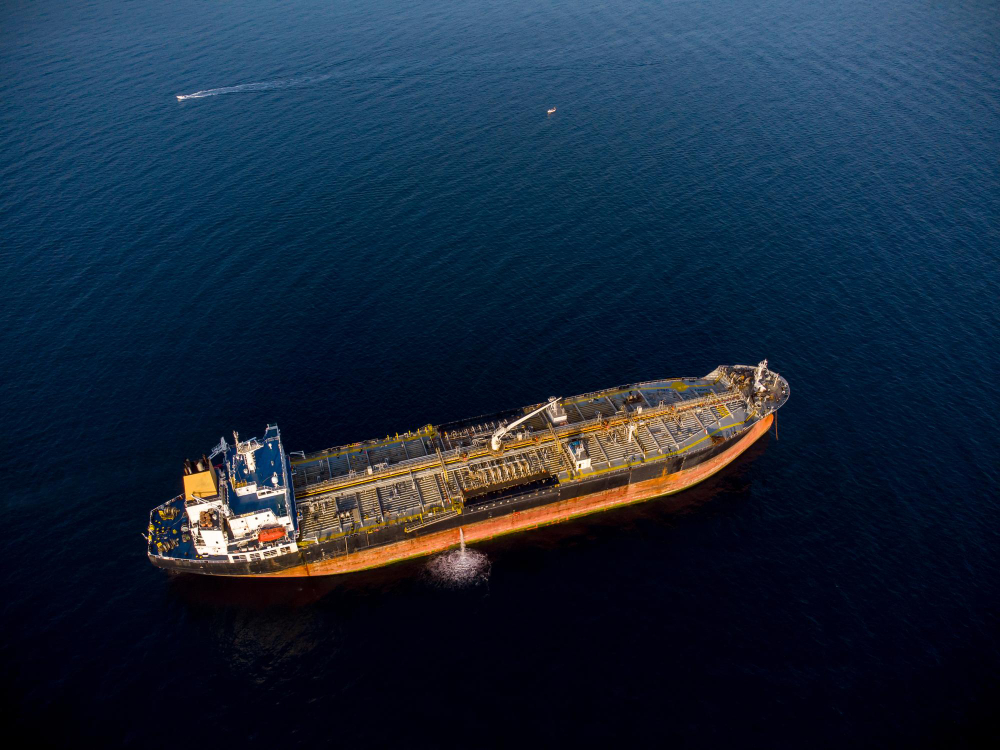
Energy shocks rarely start at the refinery gate. They often begin at sea, when shipowners pause sailings and insurers raise premiums. Reuters reported that attacks damaged tankers and that ship owners, oil majors, and trading houses suspended crude oil, fuel, and LNG shipments via the Strait of Hormuz.
That disruption can ripple through freight markets, delivery schedules, and the cost base for airlines, manufacturers, and import-dependent economies. Sky News also pointed to the lagged pass-through into retail fuel prices, citing the RAC estimate that pump-price increases typically appear about two weeks after wholesale costs move, if higher prices persist.
Key numbers investors are watching
Market commentary now centers on how long the disruption lasts, and how much risk premium stays embedded in crude.
Hormuz share of global energy flows: more than one-quarter of seaborne oil trade; about one-fifth of global oil and petroleum product consumption.
Short-term Brent range cited by Citi (base case): $80–$90 per barrel over at least the coming week, with pullback toward $70 if de-escalation follows.
Goldman Sachs “risk premium” estimate: $18 per barrel real-time risk premium in crude, potentially moderating if disruption proves partial and temporary.
OPEC+ April supply move: production adjustment of 206 thousand barrels per day agreed by eight OPEC+ countries for April 2026.
Inflation sensitivity: the IMF finds a 10% rise in global oil inflation lifts domestic inflation by about 0.4 percentage point on impact, on average.
The most immediate and tangible development affecting oil markets is the effective halt of traffic through the Strait of Hormuz, preventing 15 million barrels per day of crude oil from reaching markets.
What comes next for inflation and policy
Oil and shipping costs feed into consumer prices through fuel, transport, and input costs. Sky News highlighted the IMF relationship between oil-price moves and inflation in advanced economies, a reminder that a renewed energy shock can complicate rate-cut expectations.
Markets will likely take direction from two signals: evidence that maritime traffic through Hormuz normalizes, and clarity on how quickly incremental supply and rerouted logistics can offset interruptions. Reuters noted that some banks and consultancies see a temporary spike as the most likely path, but also warned that prices can rise much more if the market demands a premium for persistent disruption risk.