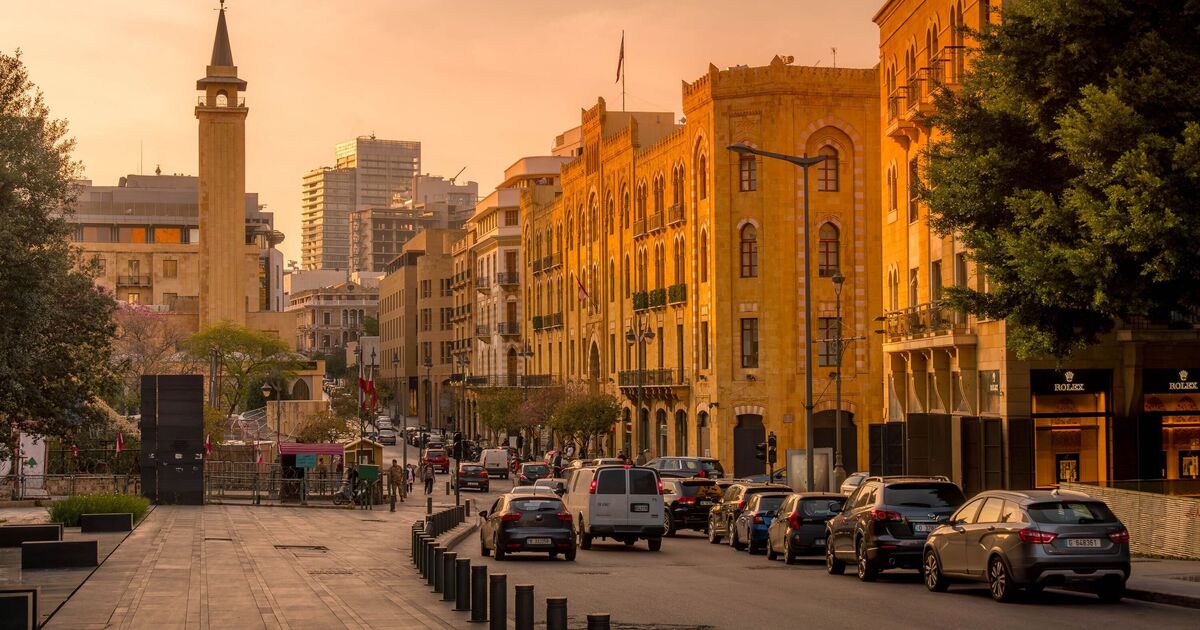
Beirut sits at number 341 in the world, 10th in the Middle East, and number one in Lebanon in the latest StartupBlink Global Startup Ecosystem Index, published in April 2026. The city climbed 36 places globally and rose 4 spots regionally, while holding its long-standing lead over every other Lebanese ecosystem.
The index ranks startup ecosystems using three scores: the volume of startup activity, the quality and impact of those startups, and the wider business environment of the country they sit in. StartupBlink covers more than 1,500 cities and 120 countries, which makes it one of the most-cited benchmarks founders use when comparing one base against another.
The detail behind the rank is where the story sits. StartupBlink counts 108 active startups in Beirut, about 89 percent of every startup in Lebanon, or roughly 5 per 100,000 residents. The city also recorded a 46.3 percent jump in its ecosystem score between April 2025 and April 2026, a sharp rebound rather than the flat reading some earlier national snapshots showed.
For a Lebanese reader, the headline is less about the exact rank and more about what those figures represent. Beirut is the single point on the map where the country's startup density, funding history, and talent concentrate. A diaspora investor scanning the region for a place to build a team now has a clear, dated reference for where the city stands.
Where Beirut Sits Against the Region
Beirut ranks 10th in the Middle East, up four places from the prior reading, but the gap to the Gulf's leading hubs is wide. Dubai, Abu Dhabi, and Riyadh continue to draw the bulk of regional capital and government backing, climbing the 2026 index on the strength of state funding and tax incentives. Beirut competes in a different tier, shaped by a banking collapse, a currency crisis, and years of political deadlock.
That context is the point. Beirut holds a top global ranking at all despite an economy that has lost most of its formal financial system since 2019. The city's standing rests on its people rather than on state support or deep local funding pools.
The Talent Case Behind the Number
Lebanon's pull for founders has long been its workforce. Universities such as the American University of Beirut and the Lebanese American University produce graduates who often work across Arabic, French, and English, a rare combination for teams selling into both Gulf and European markets.
Cost is the second draw. Reported monthly pay for Beirut developers working international contracts commonly runs between $1,500 and $3,500, well below comparable Gulf or European rates. For a remote-first company or a diaspora-backed venture, that mix of skill and price is the case for treating Lebanon as a build location rather than a market.
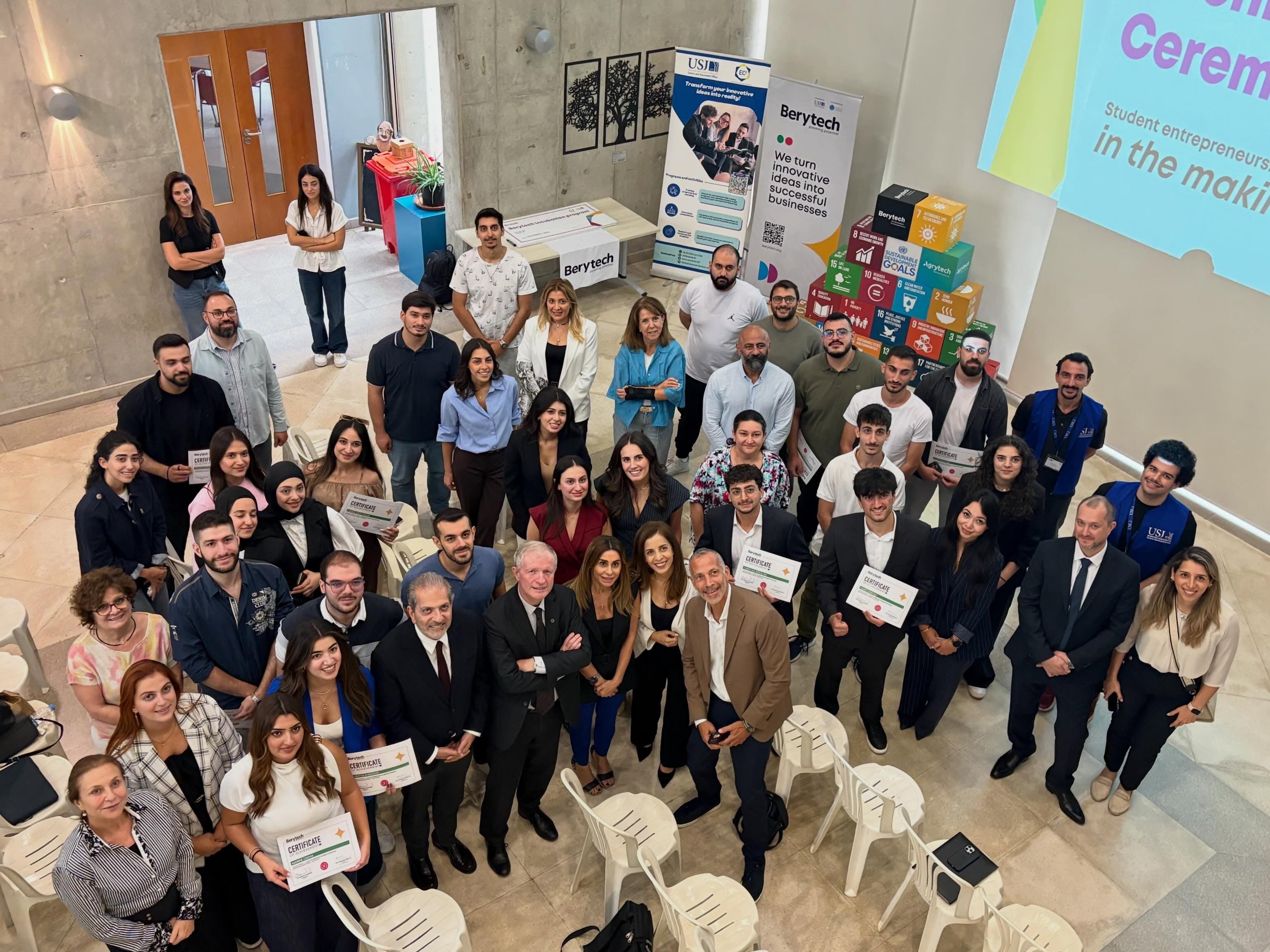
Local hubs such as Berytech continue to run incubation programs and connect founders to diaspora investment networks, which carry outsized weight given how thin domestic venture funding has become.
What the Ranking Does Not Capture
A single index position cannot show the daily friction of building in Lebanon: power cuts, capital controls that complicate moving money, and a brain drain that has pulled thousands of skilled workers abroad. A 46.3 percent rise in the ecosystem score is a strong move in percentage terms, but it sits on a small base of 108 startups, so the absolute scale stays modest next to regional neighbors.
Read alongside those constraints, Beirut's placement works best as a baseline. It tells a founder or investor where the city stands today, in a public and dated source, so the next conversation can move on to specifics: which team, which sector, and which path to funding.