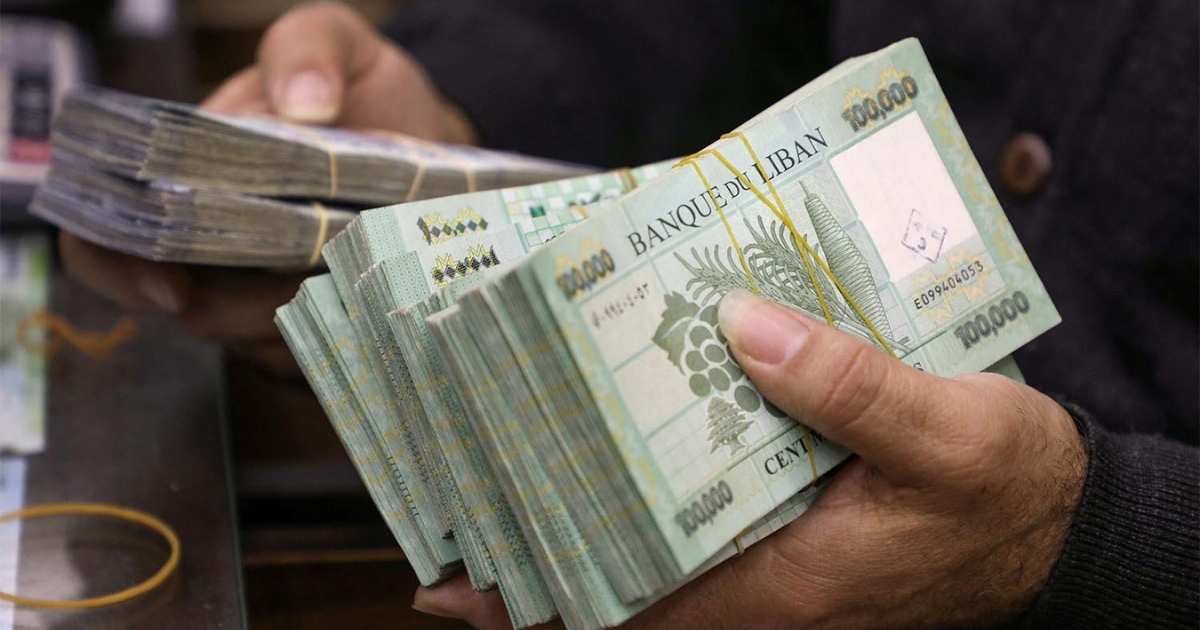
Lebanon already moved closer to exchange-rate unification after years of multiple rates.
Banque du Liban currently lists the dollar at LL89,500.
The IMF continues to call for a credible monetary and exchange-rate framework.
A full float without banking reform and capital controls could trigger renewed volatility.
The more likely path is a managed exchange-rate framework, not an immediate free float.
Lebanon’s Pound Is Not Fully Floating Yet
Lebanon may eventually move toward a more flexible exchange-rate system, but a full free float of the Lebanese pound does not appear imminent.
Banque du Liban currently lists the dollar at LL89,500, a rate that has become the main official reference after years of multiple exchange rates and severe currency depreciation.
The shift marked a major step toward exchange-rate unification, but it did not create a normal floating currency market. Lebanon still operates under deep financial distortions, a cash-heavy economy and an unresolved banking crisis.
Why a Float Remains Risky
A currency float works best when markets trust the banking system, fiscal policy and central bank credibility. Lebanon still lacks that foundation.
The IMF has repeatedly linked Lebanon’s recovery to a credible monetary and exchange-rate system, the unification of exchange rates and temporary formal capital controls.
Key conditions remain unfinished:
Bank restructuring
A law to address financial losses and deposits
Formal capital controls
Debt restructuring
A credible fiscal framework
Restored confidence in the financial system
Without those reforms, a free float could expose the pound to renewed pressure and weaken purchasing power.
What Is More Likely
Lebanon’s next step would more likely resemble a managed exchange-rate framework rather than an unmanaged free float.
That would allow authorities to preserve some flexibility while reducing the risk of sudden disorderly depreciation. The IMF said in February 2026 that discussions with Lebanese authorities continued around bank restructuring and a medium-term fiscal framework.
Why It Matters
The exchange-rate regime affects almost every part of Lebanon’s economy: imports, salaries, taxes, bank deposits, business pricing and household purchasing power.
A float may sound like a technical policy choice, but in Lebanon it would decide how much risk the state, banks, businesses and citizens carry.
Lebanon can float the pound only after it rebuilds the institutions needed to absorb the shock. Until then, stability depends less on the label of the exchange-rate regime and more on whether the country can complete the reforms it has delayed for years.