OpenAI launched Images 2.0 powered by the gpt-image-2 model on April 21, 2026.
GPT-5.5 rolled out on April 23 to Plus, Team and Enterprise users.
The updates expand ChatGPT’s capabilities across text and image generation.
The rollout targets business use cases such as marketing, design and content production.
The move reflects intensifying competition in enterprise AI platforms.
OpenAI Expands ChatGPT With New Models
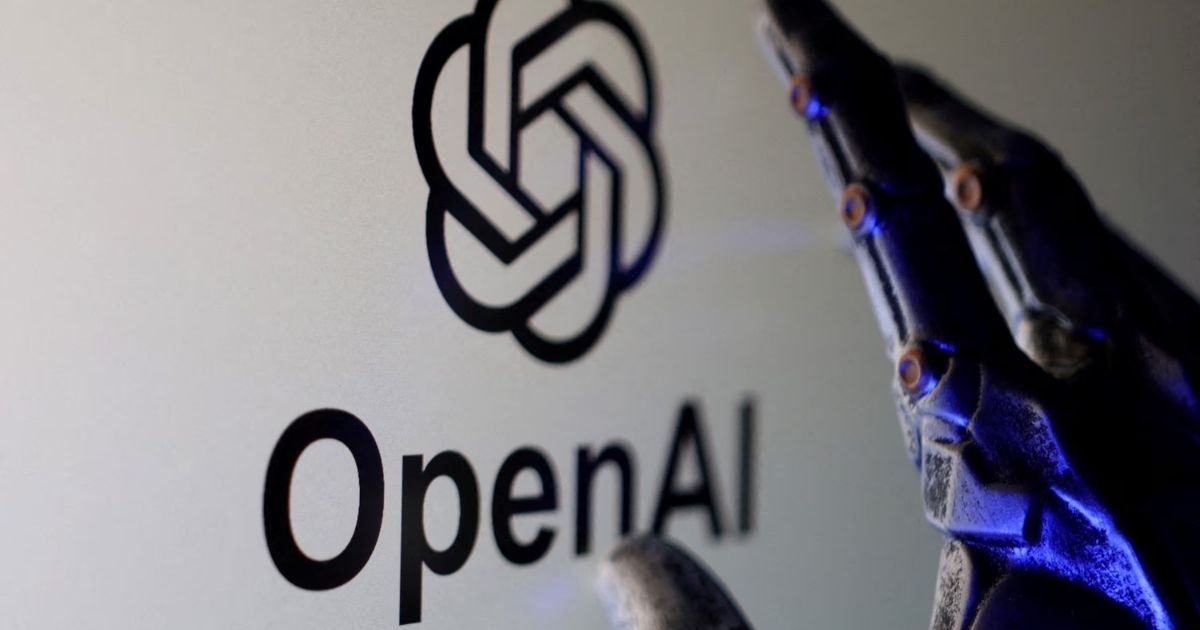
OpenAI has rolled out two major updates to ChatGPT, launching a new image generation system and upgrading its core language model within the same week.
The company introduced Images 2.0 on April 21, powered by the gpt-image-2 model, followed by the release of GPT-5.5 on April 23 to paid users across Plus, Team and Enterprise tiers.
The updates deepen ChatGPT’s integration across creative and professional workflows, combining advanced text generation with more capable image creation inside a single platform.
Business and Enterprise Implications
The dual rollout reflects a broader shift in how AI tools compete in the market. Platforms are no longer focused on single capabilities. They aim to consolidate multiple functions into unified systems used daily by teams.
For businesses, the upgrades target key use cases:
Marketing content and visual asset creation
Product design and prototyping
Social media and advertising production
Internal communication and documentation
Workflow automation across teams
This positions ChatGPT not only as a conversational tool, but as a productivity layer embedded across business operations.
Competition in Generative AI Heats Up
The timing of the releases highlights growing competition in generative AI, particularly across enterprise software and creative tools.
Companies are racing to integrate AI into daily workflows, with a focus on speed, cost efficiency and output quality. The ability to generate both text and images within one system reduces reliance on multiple tools, which appeals to startups, agencies and corporate teams.
GPT-5.5 signals continued iteration on performance and reasoning, while Images 2.0 expands into a space previously dominated by specialized image-generation platforms.
What It Means for Businesses
The updates reinforce a clear trend. AI is moving from experimental use to core infrastructure.
For businesses, the impact is practical:
Faster content production cycles
Lower costs for design and creative work
Reduced dependence on external tools
Greater in-house capabilities for marketing and branding
Increased pressure to adopt AI or fall behind competitors
The pace of releases also suggests shorter innovation cycles, which means companies will need to adapt faster to remain competitive.