Inside the $575M Round
WHOOP, the Boston-based maker of fitness wearables, has closed a $575 million funding round, according to a report from Wamda. The financing brings together two distinct types of backers: Gulf sovereign wealth groups and a roster of professional athletes putting in personal capital.
The exact lead investor and a full list of participants have not been publicly disclosed by the company. Wamda reported that funds tied to Gulf sovereign vehicles, together with athlete-investors, anchored the round.
The Investor Mix
Gulf sovereign capital has been one of the most active sources of late-stage tech money over the past three years. Saudi Arabia's Public Investment Fund and Abu Dhabi-based Mubadala are reported to be adjacent to the deal, though neither has confirmed direct participation, and the specific structure of the round has not been published.
Athlete capital is the second leg. WHOOP has counted high-profile sports figures among its users and brand ambassadors for years, and earlier rounds already included athletes on the cap table. The new financing scales that pattern up sharply, putting personal sports money next to institutional sovereign money in the same syndicate.
What WHOOP Actually Sells
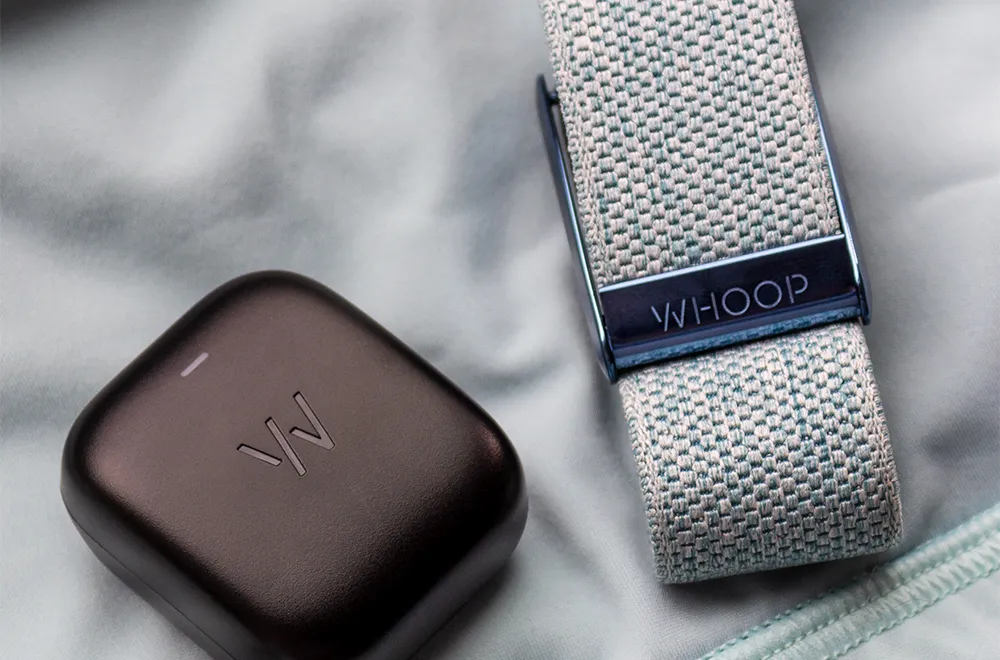
WHOOP makes a wrist-worn band that tracks recovery, strain, and sleep. It is sold as a subscription rather than a one-time hardware purchase, which keeps revenue recurring and gives the company a software-style margin profile. Its customer base spans pro athletes, recreational fitness users, and corporate wellness programs.
WHOOP has been positioned as one of the few large independents in a wearables market dominated by Apple, Google's Fitbit, and Garmin. A round of this size signals that investor appetite for the category has come back after the valuation reset that hit consumer health hardware in 2022 and 2023.
Why Gulf Funds Are Looking at Wearables
For Gulf allocators, WHOOP fits a familiar template: a globally recognized consumer brand, a subscription model, and exposure to the wider sports and health economy. Sovereign vehicles in Riyadh and Abu Dhabi have already moved heavily into gaming, electric vehicles, AI infrastructure, and live sports. Wearables are a logical extension of the same thesis.
Sports investment specifically has been a strategic focus, from the LIV golf tour to football clubs and esports. Adding a wearables platform that sits on the wrist of pro athletes ties the financial bet to the broader sports portfolio.
Reading the Round from Beirut
For Lebanese and MENA founders watching from the sidelines, the takeaway is practical. The same institutions writing nine-figure checks into US health tech are the ones being courted for late-stage rounds in the region. The terms and signals set in deals like WHOOP's, on valuation, governance, and athlete co-investment, will shape how MENA growth rounds get priced and packaged in the next twelve months.
It also reinforces a now-clear capital map: large pools of Gulf money are no longer just LPs in foreign funds. They are showing up directly on the cap tables of the biggest consumer tech rounds globally.