The Numbers
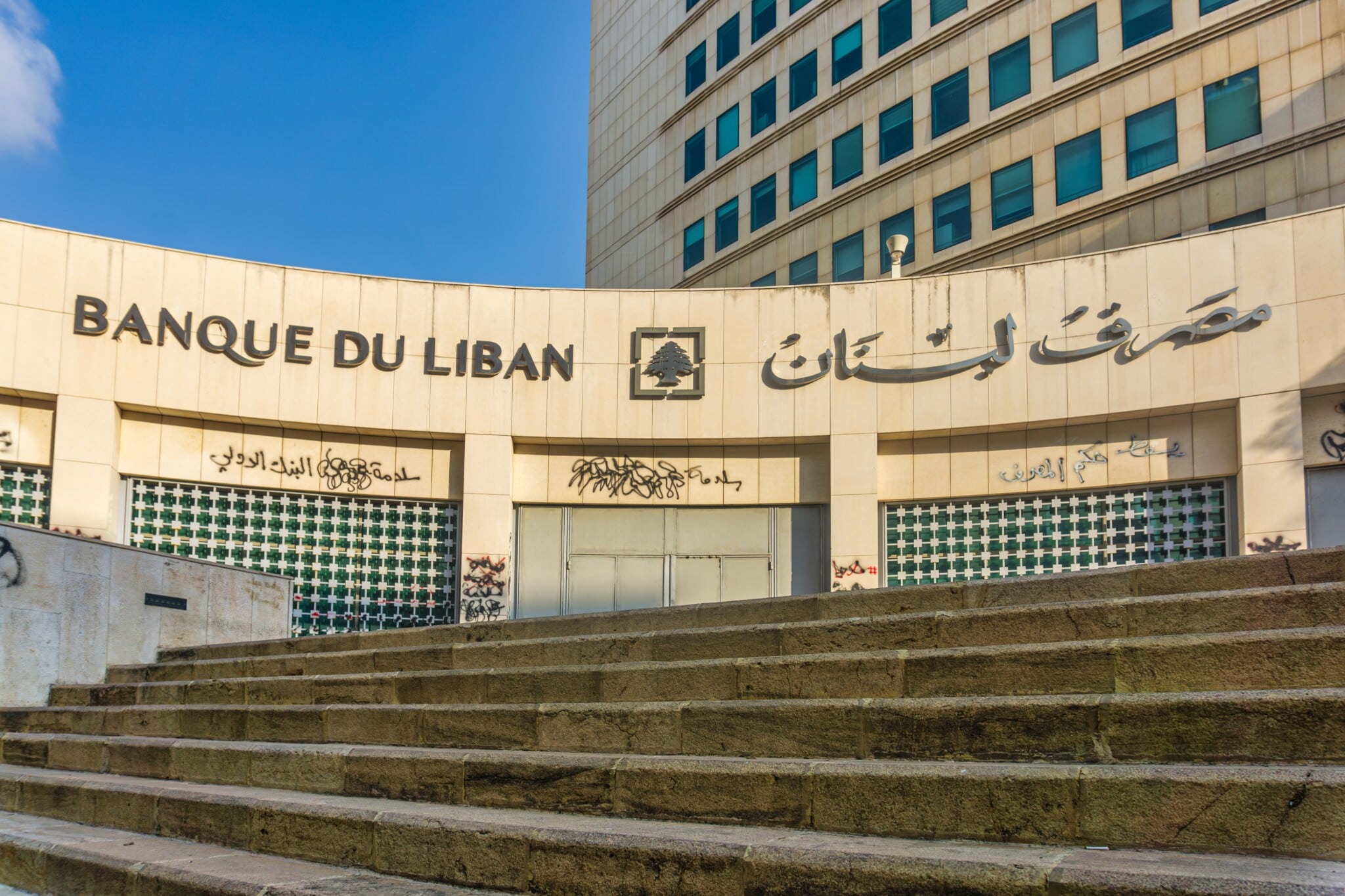
Banque du Liban, Lebanon's central bank, added $142.65 million to its foreign currency reserves in the first half of April, lifting the total to $11.7 billion. The increase was reported by Daily Beirut and followed a drawdown in March that had pulled the figure lower.
The rebound is small in absolute terms but matters in a country where every move in central bank reserves is watched closely by depositors, importers, and ratings agencies.
What the Governor Said
The BDL governor reportedly estimated Lebanon's gross domestic product at around $33 billion. That figure puts the country's economy at roughly a third of where it stood before the 2019 financial collapse, when GDP was estimated at over $50 billion.
The governor also reportedly framed monetary stability as the central bank's main priority, ahead of any push to use reserves for recovery spending. The position aligns with the IMF's repeated warning that Lebanon must protect the reserves it has left.
Why Reserves Are Watched So Closely
Foreign currency reserves at BDL are the buffer that backs the Lebanese pound, supports key imports such as fuel and medicine, and signals whether the country can meet its external obligations. Reserves were drawn down heavily through 2020 and 2021 to subsidize fuel, wheat, and medicine, and the level has been a main metric of recovery progress since.
The $11.7 billion total is well below the over $30 billion reported on BDL's books at the start of the crisis, but it is up from the lows recorded in 2023.
The Tension With Recovery Plans
Successive Lebanese governments have pushed for the central bank to support broader economic recovery, including through deposit-return schemes and infrastructure spending. The governor's framing puts those plans at odds with current monetary policy. Any deposit-return mechanism that taps reserves would directly reduce the buffer the bank is now defending.
For ordinary depositors still locked out of their pre-crisis dollar savings, the message is that no quick disbursement is coming from BDL's vaults.